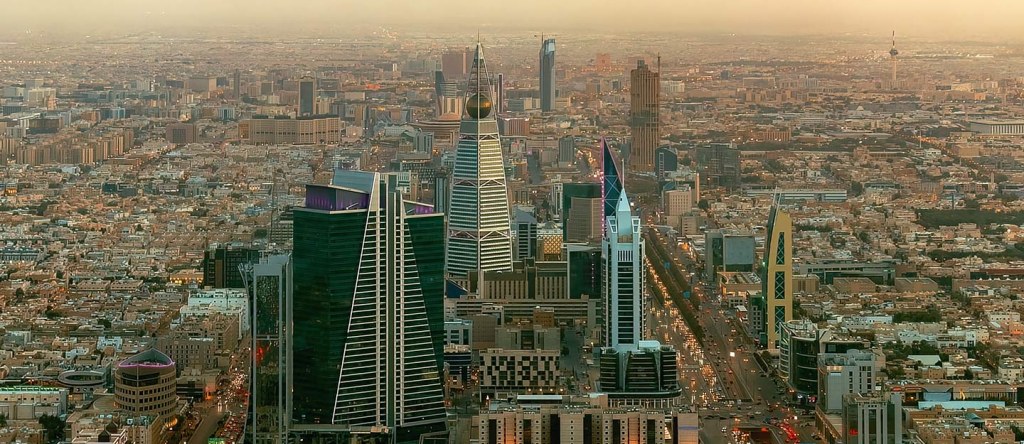
The Capital is experiencing a rapid urban transformation driven by the White Land in Riyadh and their system. By penalizing land hoarding, this strategic initiative has successfully activated 71 million square meters of idle land, significantly boosting housing supply and funding critical city infrastructure.
The White Land and Vacant Properties Fees Law
Following the amendment of the White Land and Vacant Properties Fees Law by Royal Decree in May 2025, the Ministry of Municipalities and Housing (MOMAH) issued two critical sets of executive regulations to enforce the system.
The primary goal is to address “artificial scarcity,” increase the supply of developed land, and support Vision 2030’s housing objectives.
The White Land Fees System
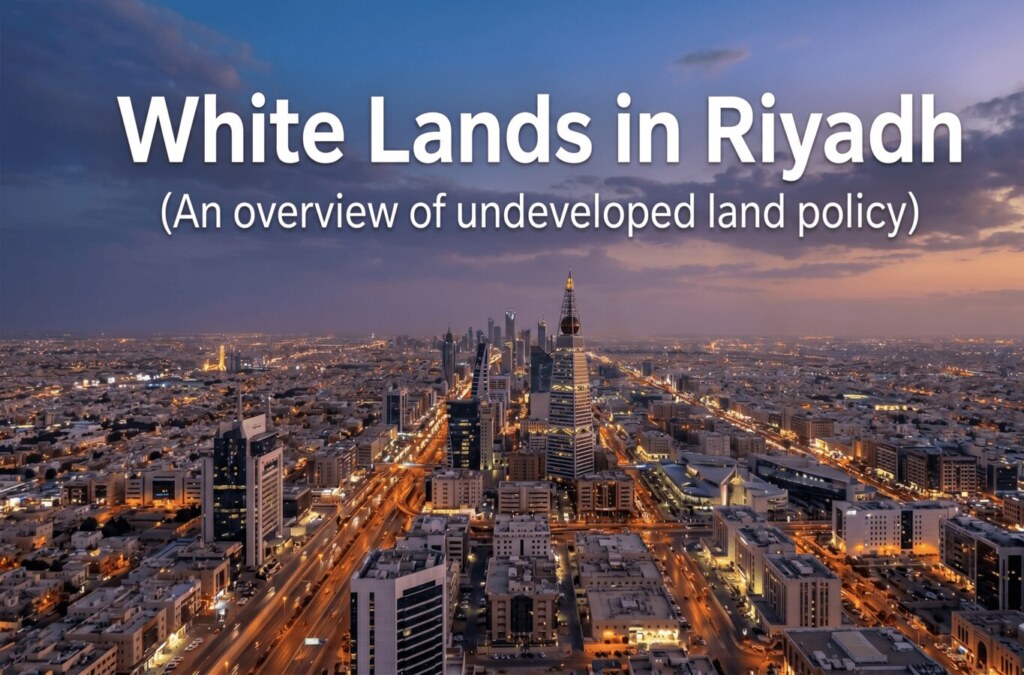
White land is defined as any undeveloped land suitable for residential or commercial development located within the approved urban boundaries of a city. The system targets landowners holding 5,000 square meters or more of combined land within a designated city.
The amended regulations introduce a tiered, priority-based fee structure that increases the maximum annual fee from 2.5% to 10% of the land’s assessed value.

Here is the annual fee rate according to the priority level:
- The Highest Priority 10%
- High Priority 7.5%
- Medium Priority 5%
- Low Priority 2.5%
- Outside Priority 0%
The revenues generated from these fees are reinvested directly into the city. In Riyadh alone, white land fee revenues have funded 27 districts urban development and infrastructure projects, improving municipal services to keep pace with the capital’s expansion
Also read about the difference between the white land and the raw land.
The Executive Regulations for the Vacant Land Fees System
In May 2026, the Ministry approved new executive regulations specifically targeting ready-for-use, idle buildings. This expands the original law’s scope beyond just empty plots of land.

A property is classified as vacant if it remains unused or unoccupied for six months (consecutive or non-consecutive) during the reference year. The annual fee is calculated based on the estimated fair rental value of comparable properties, capped at 5% of the building’s total value.
The fees are applied to specific geographic zones determined by the Ministry, focusing on areas with high vacancy rates, spiking housing costs, and significant price increases relative to inflation.
Exemptions and Compliance of White Land in Riyadh
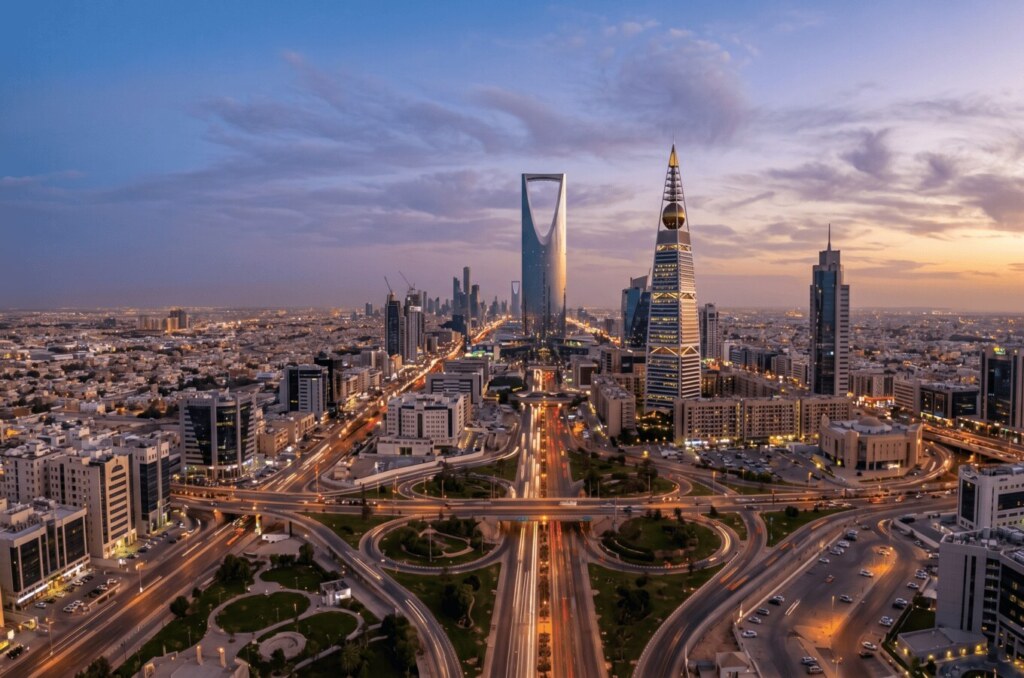
The regulations provide a one-year grace period from the assessment date for landowners to complete development and cancel their fee invoice.
Furthermore, the Ministry considers exemptions for circumstances beyond an owner’s control that prevent the occupancy or development of a property. Failure to register eligible lands or pay the fees within the specified deadlines can result in fines reaching up to 100% of the original fee value.
The 71 Million Square Meters Milestone
As Riyadh experiences rapid population growth and an influx of multinational companies under the Regional Headquarters program, the demand for housing and commercial space has surged.
To address this, the White Land Fees Program, introduced in 2016 and expanded recently, was designed to curb land hoarding and stimulate the development of idle urban land.
The program has successfully brought approximately 71 million square meters of vacant land in Riyadh into active development or trading. This vast area is transforming the city’s housing supply:
- 29 million sqm of land has been fully developed into completed projects.
- 21 million sqm is currently under active development.
- 20 million sqm has entered the real estate market for trading.
Finally, the white lands in Riyadh and their system are the cornerstone of Riyadh’s modern urban strategy, as multiple other reasons that improved the real estate market in Saudi Arabia, which Bayut Blog offers you to discover and educate about all the rules and procedures.



 as a preferred source on Google