Saudi Arabia’s tourism accommodation market is attracting a growing number of businesses, with commercial registrations for tourist lodges rising 52% year on year by the end of Q3 2026.
Active registrations reached 18,115, compared with 11,900 during the same period in 2025. Commercial registrations for tourist accommodation facilities also increased 37% to 18,956, according to the Ministry of Commerce.
For Saudi Arabia’s short-stay market, the figures point towards a larger pipeline of businesses entering tourism accommodation. They do not mean that 18,115 tourist lodges are already licensed and operating. Commercial registration is one stage of entering the market, while tourism licensing and operational requirements remain separate.
Tourist Lodge Registrations Are Growing Fastest
Tourist lodges recorded the fastest growth among the tourism-related activities highlighted by the Ministry of Commerce.
Registrations increased from 11,900 to 18,115 within one year, adding more than 6,200 active commercial registrations.
Growth was also visible across the wider tourism economy. Tour-guide registrations rose 33% to 7,735, while registrations for organising tourist trips increased 32% to 11,949.
The pattern suggests tourism growth is encouraging businesses to enter several parts of the visitor economy rather than accommodation alone.
Commercial Registrations Are Different From Licensed Properties
The distinction matters for investors and hosts.
A commercial registration shows that a business is registered to conduct an activity. It does not automatically mean the accommodation property has completed every tourism licensing requirement or has started receiving guests.
Separate tourism statistics show 6,278 licensed tourism hospitality facilities in Q2 2026, up 17.9% from 5,326 a year earlier. Of these, 3,020 were hotels and 3,258 were serviced apartments and other hospitality facilities.
That means the 18,115 commercial-registration figure should be viewed as evidence of business participation and potential future supply rather than a count of operating tourist lodges.

Registration
Requirements
Licensing
Accommodation
Tourism Demand Gives New Accommodation a Larger Market
Supply growth is arriving alongside a much larger Saudi tourism economy.
Saudi Arabia received 122.6 million domestic and inbound tourists in 2025, while tourism spending reached SAR 303.7 billion. Both measures increased from the previous year.
Demand remained strong into 2026. Preliminary Ministry of Tourism data showed 37.2 million domestic and inbound tourists in Q1 alone, generating an estimated SAR 82.7 billion in spending. Domestic tourism reached 28.9 million visitors, up 16% year on year.
That creates a substantial demand base for hotels, serviced apartments, tourist lodges and other short-stay accommodation.
More Supply Means More Competition for Hosts
Rapid business growth can benefit travellers by widening accommodation choice.
For hosts and investors, however, more operators can also increase competition.
A property can no longer rely on tourism growth alone. Location, pricing, property quality and guest experience become more important as additional accommodation enters the market.
Hosts should watch:
- Nightly rates in their area
- Seasonal occupancy
- Nearby accommodation supply
- Guest reviews
- Event calendars
- Property operating costs
- Tourism licensing requirements
Markets driven by major events may experience sharp demand peaks, while destinations with year-round leisure, religious or business travel can offer different occupancy patterns.
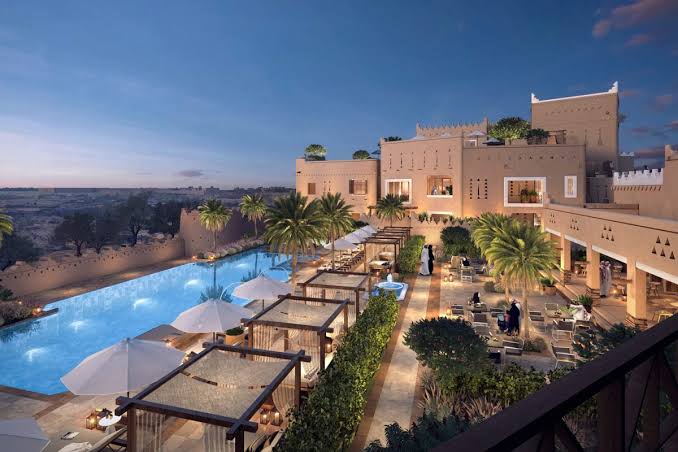
For example, the upcoming Jeddah Red Sea Yacht Show is expected to bring more than 10,000 visitors for its first edition in October 2027, potentially creating concentrated accommodation demand around the event.
Hotel Data Already Shows the Effect of Expanding Supply
Saudi hospitality capacity is growing quickly enough for competition to appear in operating indicators.

Licensed tourism hospitality facilities increased 17.9% year on year in Q2 2026. Hotel room supply rose 13.2%, while room supply across serviced apartments and other hospitality facilities increased 19.7%.
At the same time, hotel occupancy eased to 51% from 53.2%, while the average daily hotel room rate declined 12.4% to around SAR 563.
Serviced apartments and other hospitality facilities recorded occupancy of 46.5%, down from 50.2% a year earlier. Their average daily rate slipped 2.1% to approximately SAR 197.
What Does This Mean for Daily Rental Investors?
For property investors considering the short-stay market, the latest figures strengthen the case for analysing the micro-market rather than Saudi tourism growth in isolation.
A city receiving more visitors can still become difficult for hosts if accommodation supply grows faster than demand within a particular neighbourhood.
Investors should therefore compare potential nightly revenue with:
- Purchase price
- Expected occupancy
- Cleaning and management costs
- Utilities
- Furnishing
- Maintenance
- Platform charges
- Seasonal pricing
- Long-term rental alternatives
A higher gross nightly rate does not automatically create the strongest investment return.
Which Saudi Destinations Could Benefit?
Different cities have different tourism engines.
Riyadh benefits from business travel, conferences, entertainment and Riyadh Season.
Jeddah combines leisure tourism, business travel, Red Sea events and access to Makkah.
AlUla has a more destination-led tourism market centred on heritage, culture and premium experiences.
Makkah and Madinah have large religious-tourism demand, although property ownership and accommodation rules require additional attention.
Travellers looking at heritage destinations can compare accommodation through Bayut-KSA’s AlUla daily rental guide.
Saudi Tourist Lodge Growth Points to a Larger Accommodation Market
The 52% increase in tourist-lodge commercial registrations shows that more businesses are positioning themselves within Saudi Arabia’s expanding visitor economy.
The signal is significant, although it should be interpreted carefully. Commercial registrations measure business activity rather than completed and operating accommodation stock.
Licensed hospitality supply is also expanding, rising 17.9% year on year in Q2 2026. At the same time, softer occupancy and room rates show that additional supply is already increasing competition in parts of the market.
For hosts and property investors, tourism growth remains an opportunity. Success will increasingly depend on choosing the right location, controlling operating costs and offering accommodation that stands out as more businesses enter the sector.
Frequently Asked Questions
How many tourist lodge registrations are there in Saudi Arabia?
Active commercial registrations for tourist lodges reached 18,115 by the end of Q3 2026, up 52% from 11,900 a year earlier.
Does Saudi Arabia have 18,115 operating tourist lodges?
Not necessarily. The 18,115 figure refers to active commercial registrations for the tourist-lodge activity. Tourism licensing and actual operation are separate stages.
How many licensed tourism accommodation facilities are operating?
Saudi Arabia had 6,278 licensed tourism hospitality facilities in Q2 2026, according to GASTAT data.
Is Saudi tourism demand still growing?
Saudi Arabia received 122.6 million domestic and inbound tourists in 2025. Q1 2026 preliminary data also recorded 37.2 million domestic and inbound tourists.
What does more tourist accommodation mean for hosts?
More accommodation can increase competition for guests. Hosts may need to compete more closely on location, pricing, property quality, reviews and guest experience.


 as a preferred source on Google