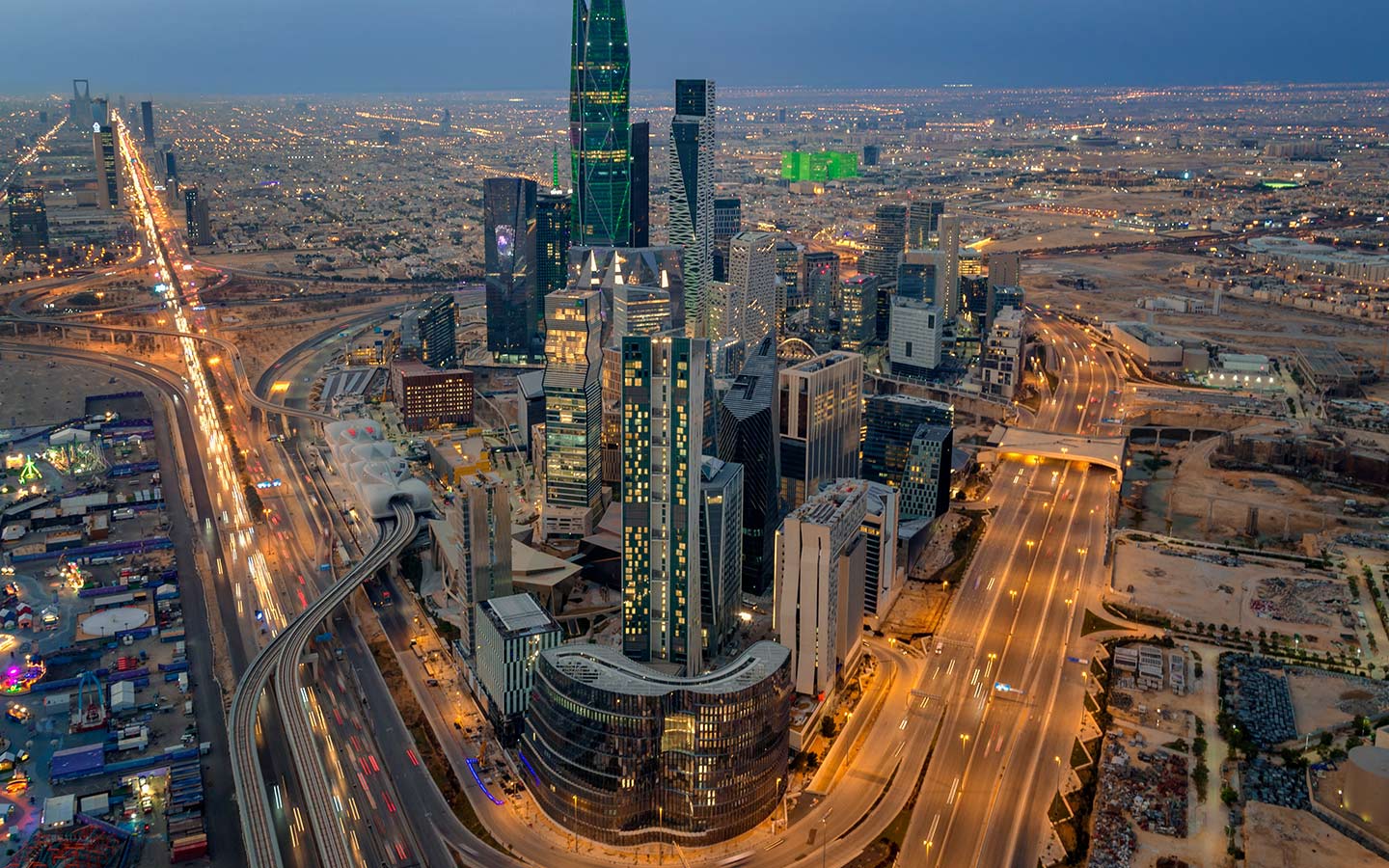
Saudi hospitality investment in 2026 is expanding across five tourism destinations as the Kingdom adds new hotel capacity and visitor infrastructure. The first 19 projects approved under the Hospitality Investment Enablers Program are expected to activate SAR 6.7 billion in investment.
The projects will add more than 3,000 hotel rooms and support over 17,000 jobs across Jeddah, Al-Ahsa, Al-Baha, Asir and the Eastern Province. The first development is expected to open before the end of 2026, with further projects scheduled through 2029.
This investment can strengthen tourism activity around the selected destinations while creating opportunities for hospitality operators, short-stay property owners and real estate investors.
How is Saudi Hospitality Investment 2026?
The programme is being led by Saudi Arabia’s Ministry of Tourism in cooperation with the Ministry of Investment.
It provides investment support designed to improve the feasibility of hospitality developments and reduce some operating costs. Eligible projects include new or ongoing hospitality and mixed-use developments, with the Ministry listing 3-, 4- and 5-star accommodation among the targeted categories.
The first approved batch includes:
- 19 hospitality projects
- Five tourism destinations
- More than 3,000 additional hotel rooms
- More than 17,000 expected jobs
- SAR 6.7 billion in expected investment
Around 40% of the additional rooms are planned for coastal destinations. By 2030, the projects are expected to contribute more than SAR 2.4 billion annually to GDP and generate over SAR 5.3 billion in local content.
Saudi Tourism Demand Is Already Expanding
The new projects are entering a tourism market that has grown rapidly. Saudi Arabia welcomed around 123 million domestic and international tourists in 2025. Total tourism spending reached approximately SAR 304 billion, representing annual growth of 7%. The Kingdom is working towards 150 million annual tourists by 2030.
Accommodation supply has also been expanding. Saudi Arabia had 6,278 licensed tourism hospitality facilities in Q2 2026, up 17.9% from the previous year.
These included:
- 3,020 hotels
- 3,258 serviced apartments and other hospitality facilities
Licensed hotel room supply increased 13.2% year on year, while room supply across serviced apartments and other hospitality facilities increased 19.7%.
Saudi hospitality investment 2026 is therefore entering a market with rising visitor numbers and a larger accommodation base.
What Could This Mean for Property Investors?
Tourism investment can change the property market around a destination.
New hotels can support restaurants, retail, entertainment and transport services. Additional jobs can also increase activity in surrounding residential and commercial areas.

Property investors still need to assess each location individually. Tourism growth alone does not guarantee higher rental returns or capital appreciation.
Useful factors to compare include:
- Rental yields
- Existing property values
- Future development supply
- Visitor seasonality
- Transport connections
- Major attractions and events
- Local residential demand
Jeddah Strengthens Its Coastal Tourism Position
Jeddah already combines leisure, business and waterfront tourism.
The city is included in the first group of approved hospitality projects. Coastal destinations will account for around 40% of the additional hotel rooms announced under the programme.
Additional hospitality investment could strengthen visitor activity around Jeddah’s waterfront, entertainment districts and commercial areas.
The city also has an established short-stay market. Travellers can compare current prices and neighbourhoods in Bayut-KSA’s guide to daily rentals in Jeddah.
Al-Ahsa Builds on Heritage Tourism
Al-Ahsa provides a different tourism proposition. Its heritage, oasis landscape and cultural attractions support domestic and international visitor demand. Additional hospitality capacity can make longer stays easier and support businesses serving visitors.
Short-stay demand in this market may be particularly relevant to families, groups and weekend travellers.
Al-Baha and Asir Support Mountain Tourism
Al-Baha and Asir are important markets for Saudi domestic tourism. Their cooler climates, mountain landscapes and seasonal attractions create demand that differs from larger urban destinations.
New hospitality investment can increase accommodation capacity and support further development of restaurants, leisure facilities and visitor services.
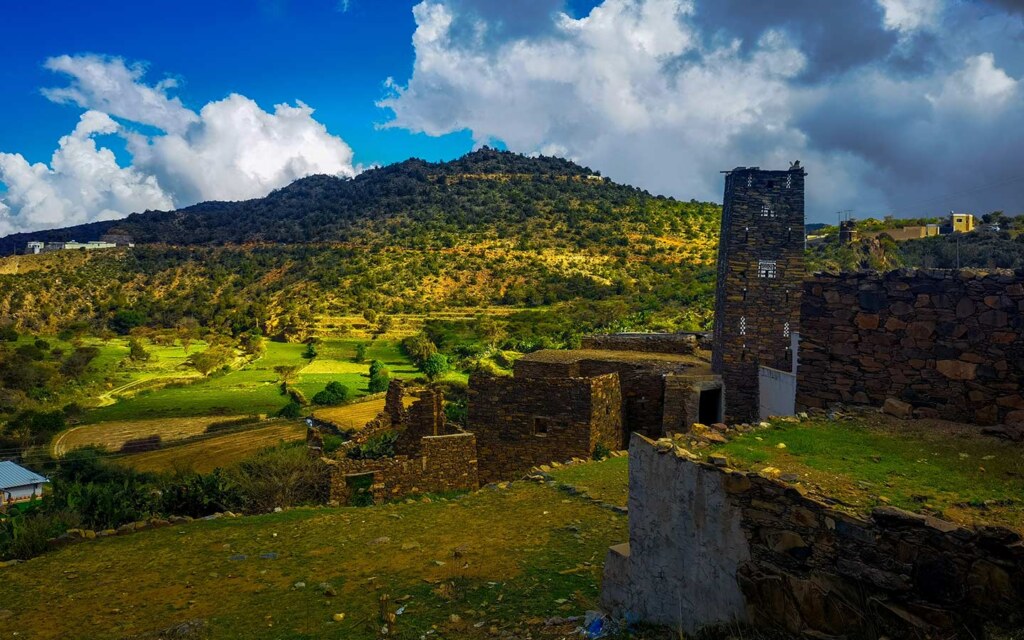
Seasonality remains important in both markets. Property owners considering short stays should examine demand across the full year rather than relying only on peak travel periods.
The Eastern Province Combines Business and Leisure
The Eastern Province has several sources of visitor demand.
Dammam and Al Khobar serve major business markets, while coastal destinations add family and leisure travel. Further tourism development can broaden that visitor mix.
The region also has a growing pipeline of major developments. PIF-backed plans for Al-Khafji include more than 16,000 housing units and around 1,400 hotel keys across a 20 sq km coastal development.

This provides another indication of the scale of long-term investment being directed towards the Kingdom’s eastern coast.
Could Daily Rentals Benefit?
Daily rentals serve a different need from conventional hotels.
Families may want several bedrooms. Groups may prefer shared living space. Business travellers staying several nights may value kitchens, privacy and a more residential environment.
These differences can support demand for furnished short stays as tourism destinations expand.
More Supply Also Means More Competition
The expansion of Saudi hospitality will give travellers more accommodation options.
Hotel occupancy stood at 51% in Q2 2026, compared with 53.2% a year earlier. The average hotel room rate also declined 12.4% to around SAR 563. Serviced apartments and other hospitality facilities recorded an average rate of approximately SAR 197.
Property owners should therefore focus on the quality and positioning of individual listings.
Important factors include:
- Competitive pricing
- Clear photographs
- Accurate guest capacity
- Useful amenities
- Good location
- Straightforward check-in
- Cleanliness and property condition
- Accurate listing information
The expansion of hotel supply makes differentiation more important for short-stay hosts.
Own a Furnished Property in a Tourism Market?
Owners with eligible furnished properties can consider whether their accommodation fits demand from families, groups, business travellers or domestic tourists.
A property close to attractions or commercial areas may serve a different guest segment from a larger villa or apartment aimed at family travel.
What Happens Next?
The first project under the Hospitality Investment Enablers Program is scheduled to begin operations by the end of 2026. The remaining projects are expected to open progressively through 2029.
The programme will therefore add new accommodation as Saudi Arabia moves closer to major international events and its 2030 tourism target.
The wider tourism pipeline is also substantial. Saudi Arabia has more than $120 billion in tourism investment under development, while more than 200,000 additional hotel rooms are expected by 2030. Around half of that future room capacity is expected to come from private-sector investment.
For investors and property owners, the key question will be where visitor growth, infrastructure and accommodation demand develop together.
Which Tourism Markets Could Benefit Most?
The five locations offer different investment and short-stay profiles.
Jeddah and the Eastern Province have broader demand bases because business activity sits alongside tourism. Al-Baha and Asir carry greater seasonal exposure, while Al-Ahsa has a distinct heritage-led visitor market.
The strongest property opportunities will depend on the exact location, property type and entry price rather than destination growth alone.
Saudi Hospitality Investment Is Expanding the Tourism Map
Saudi Arabia’s first 19 projects under the Hospitality Investment Enablers Program will bring new accommodation to five different tourism markets.
The SAR 6.7 billion investment programme will add more than 3,000 hotel rooms while supporting new employment and local economic activity. Wider tourism data also shows a market that is expanding in both visitor numbers and accommodation supply.
For travellers, the result will be greater choice. Property owners will face a larger market alongside stronger competition. Investors will have more destinations to assess as tourism growth spreads beyond the Kingdom’s largest cities.
Frequently Asked Questions
What is Saudi Arabia’s Hospitality Investment Enablers Program?
The programme supports private-sector hospitality developments by improving project feasibility and reducing operating costs. Its first approved batch contains 19 projects across five tourism destinations.
How much investment will the new projects attract?
The first group is expected to activate around SAR 6.7 billion in investment.
How many new hotel rooms are planned?
More than 3,000 hotel rooms are expected from the 19 approved projects. Around 40% will be located in coastal destinations.
Which areas will receive the hospitality projects?
The first group covers Jeddah, Al-Ahsa, Al-Baha, Asir and the Eastern Province.
When will the projects open?
The first project is scheduled to open before the end of 2026. Further openings are planned through 2029.
Can short-stay property owners benefit from tourism growth?
Growing tourism can increase the potential visitor base, but demand depends on location, seasonality, pricing and property type. Eligible owners can explore Bayut-KSA’s Become a Host route for short-stay listings.




 as a preferred source on Google