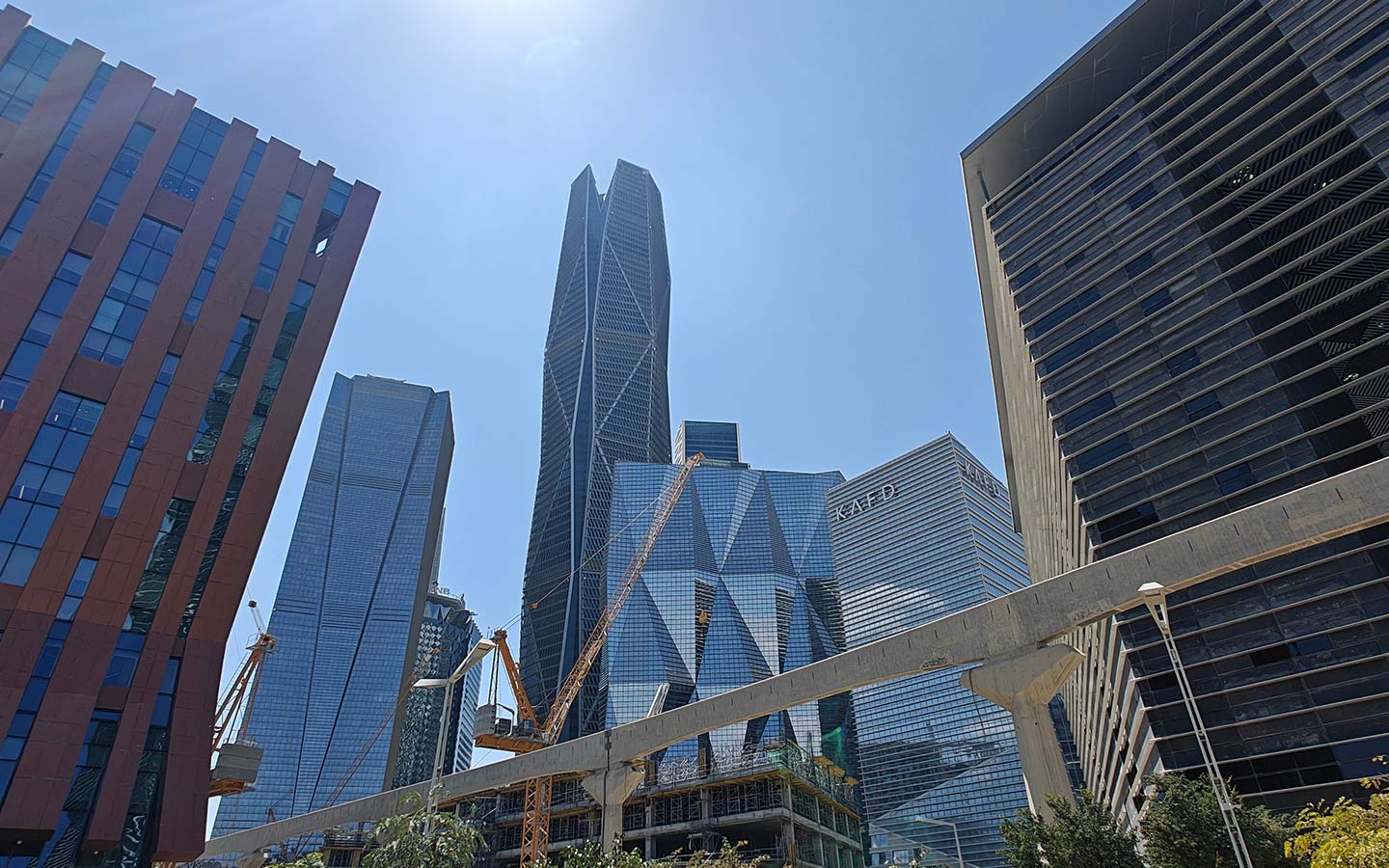
A property can look attractive on paper and still be a poor investment. Before you value a Saudi property, you need to separate the asking price from what the asset can realistically earn and what risks could affect its future value. To value a Saudi property for investment, start with three questions: Is the price fair? What return can the property realistically generate? What could weaken that return?
Saudi Arabia now gives investors more data to answer these questions. REGA’s Real Estate Indicators platform provides sales and rental information across cities and neighbourhoods, while Bayut-KSA’s Investor Hub offers tools such as Tru Value™ to help investors estimate property value and compare opportunities.
What Does a Saudi Investment Property Need to Be Worth?
There are three different values to think about.
- Asking Price is what the seller wants.
- Market Value is what comparable properties and transactions suggest the asset is worth.
- Investment Value is what the property is worth to you after considering rent, costs, risk and resale potential.
These figures are not always the same.
A property can be fairly priced but still produce a weak return. Another may look expensive at first but offer stronger rental demand, better liquidity or a more attractive long-term location.
The purpose of valuation is to separate those differences before you commit capital.
Step 1. Compare the Asking Price With the Market
The first mistake to avoid is treating the advertised price as the property’s value.
Start by comparing the unit with similar properties in the same district. Look at size, age, condition, floor level, parking, view, facilities and building quality. Price per square metre is a useful starting point.
Price Per Sq. M. = Property Price ÷ Total Area
If a 120 sqm apartment is listed for SAR 1.2 million, the asking price is SAR 10,000 per sqm. That figure only becomes useful when you compare it with similar units nearby.
REGA’s official Real Estate Indicators platform allows investors to examine sales and rental activity by city, neighbourhood, property type and period. The platform also excludes extreme-value transactions from some indicators to improve comparability.
Before accepting the asking price, compare
- Recent Sale Transactions
- Price Per Square Metre
- Similar Property Types
- Neighbourhood Price Trends
- Property Age and Condition
- Building and Community Quality
Use a Valuation Estimate as a Starting Point
A quick estimate can help identify whether a property deserves deeper investigation.

Bayut-KSA’s Tru Value™ is an AI-powered property value estimator available through the Investor Hub. It can provide an indicative sale-value range, price per square metre, recent price movement and a confidence indication using curated market data. Tools such as Tru Value™ can help you value a Saudi property at the screening stage by providing another reference point alongside comparable market data.
That makes it useful as an early screening tool rather than a substitute for professional appraisal.
Step 2. Calculate Gross Rental Yield
- Once the price looks reasonable, test the income.
- Gross rental yield measures the annual rent against the purchase price before expenses.
- Gross Rental Yield = Annual Rent ÷ Purchase Price × 100
- For example, suppose you buy an apartment for SAR 1 million and expect SAR 70,000 in annual rent.
- SAR 70,000 ÷ SAR 1,000,000 × 100 = 7% gross yield
- That 7% is useful for comparing properties, but it is not the amount you actually keep.
A property with a slightly lower gross yield can still be better if its vacancy risk and operating costs are lower.
Step 3. Calculate the Net Return
Gross yield is the headline number. Net return is closer to the investor’s real experience.
Subtract the costs that come with owning and operating the property.
These can include
- Service Charges
- Maintenance
- Vacancy
- Property Management
- Insurance
- Financing Costs
- Repairs
- Other Ownership Expenses
Suppose the same SAR 1 million property earns SAR 70,000 per year but requires SAR 15,000 in annual expenses.
The net rental income falls to SAR 55,000.
That gives an illustrative net return of 5.5% before considering any financing structure or taxes that may apply to the investor.
This is why investors should not compare properties using gross rent alone.
Step 4. Test Whether the Rent Assumption Is Realistic
A yield calculation is only as good as the rent you put into it.
Developer projections, seller estimates and optimistic listing prices should be checked against actual market evidence.
REGA’s Real Estate Indicators platform includes sales and rental data and allows users to compare cities, neighbourhoods, time periods and property types. Its rental indicators are based on data that include Ejar and other official sources. Rega

When estimating achievable rent, check
- Comparable Rents in the Same Area
- Unit Size and Bedroom Count
- Furnishing Level
- Building Quality
- Parking and Amenities
- Vacancy in the Area
- Tenant Profile
- Lease Restrictions
A projected yield can look excellent simply because the assumed rent is too high.
Step 5. Consider the Rental Rules That Apply
The local rental framework can directly affect future income assumptions. Riyadh is an important example. Annual increases in total rental value for existing and new residential and commercial leases within the city’s urban boundaries are suspended for five years from 25 September 2025. Rega

That does not make Riyadh unattractive. It does mean investors should be more careful when modelling future rental growth. A valuation should therefore consider the regulatory environment as well as the property’s current rent.
Step 6. Assess Capital Growth Without Assuming It
Rental income is only one part of investment return. A property may also gain value over time, but future appreciation should never be treated as guaranteed.
Look for structural drivers instead.
These may include
- Transport Infrastructure
- Employment Growth
- New Business Districts
- Population Growth
- Major Development Projects
- Improved Accessibility
- Limited Comparable Supply
- Strong End-User Demand
The key question is whether future demand has a credible reason to grow. A new project nearby may support prices, but it could also add competing supply. Investors should examine both sides of the story.
Step 7. Measure the Risks Before You Buy
A property can have a good location and still carry significant investment risk.
The most common risks include
- Overpaying
- Weak Rental Demand
- High Vacancy
- Oversupply
- High Service Charges
- Poor Building Management
- Off-Plan Execution Risk
- Financing Pressure
- Weak Resale Liquidity
Off-plan investors should also examine project licensing, escrow arrangements and developer delivery risk. For completed properties, building condition and resale demand may matter more.
Step 8. Test the Exit Strategy
A property is easier to buy than it is to sell at the price you want. Before purchasing, ask who might buy it from you later.
A strong exit market may include
- Owner-Occupiers
- Local Investors
- Foreign Investors
- Corporate Buyers
- Families
- Rental Investors
Liquidity matters because a property with attractive paper returns can still become difficult to exit if buyer demand is narrow. Look at transaction activity in the district rather than relying only on price growth.
A Simple Saudi Property Investment Scorecard
Does it compare well with similar properties?
What does rent equal as a percentage of price?
What remains after realistic ownership costs?
Is there evidence that tenants want this type of unit?
What could support future demand and value?
How easily could you exit if your plans change?
How Bayut-KSA Can Help You Compare the Numbers
The most useful valuation process combines market data with property-level analysis.
Bayut-KSA’s Investor Hub brings several of those steps into one research journey. Investors can use Tru Value™ for an indicative property estimate, compare price per square metre, review market trends, examine investment zones and compare indicative ROI and rental-yield information. The platform also offers project shortlisting, market insight and due-diligence support. Bayut
The value is not in replacing your own due diligence. It is in making the first comparison faster and more structured.
Official Saudi Market Data
Do Not Value a Property Using One Number
There is no single figure that tells you whether a Saudi property is a good investment.
The asking price tells you what the seller wants. Gross yield tells you what the rent looks like before costs. Net return gets closer to what you may actually keep. Liquidity and risk tell you how vulnerable that return could be.
The strongest investment case is usually one where the price is supported by comparable evidence, the rent assumption is realistic, and the risks are understood before purchase.
Frequently Asked Questions
How Do I Value a Saudi Investment Property?
Start with comparable sale prices and price per square metre. Then calculate gross rental yield, estimate net return after expenses and review rental demand, growth drivers and resale liquidity.
What Is a Good Rental Yield in Saudi Arabia?
There is no single yield that is appropriate for every city or property type. A higher headline yield may come with greater vacancy, maintenance or liquidity risk, so investors should compare net return rather than relying only on gross yield.
How Do I Calculate Gross Rental Yield?
Divide annual rent by the purchase price and multiply by 100. A property purchased for SAR 1 million and rented for SAR 70,000 annually would have a 7% gross rental yield.
Is Price Per Square Metre Enough to Value a Property?
No. It is useful for comparison, but it does not capture differences in condition, building quality, view, amenities, service charges or rental demand.
Can Bayut-KSA Estimate a Property’s Value?
Bayut-KSA’s Investor Hub includes Tru Value™, an AI-powered estimator that provides an indicative property value range and related market information. It should be used as a screening and comparison tool rather than as a replacement for a professional appraisal. Bayut
Should I Use Asking Prices or Transaction Prices?
Transaction evidence is generally more useful because it reflects completed market activity. Asking prices can still help show current seller expectations, but they should be compared with official transaction and rental indicators.
Know the Property Before You Buy It





 as a preferred source on Google