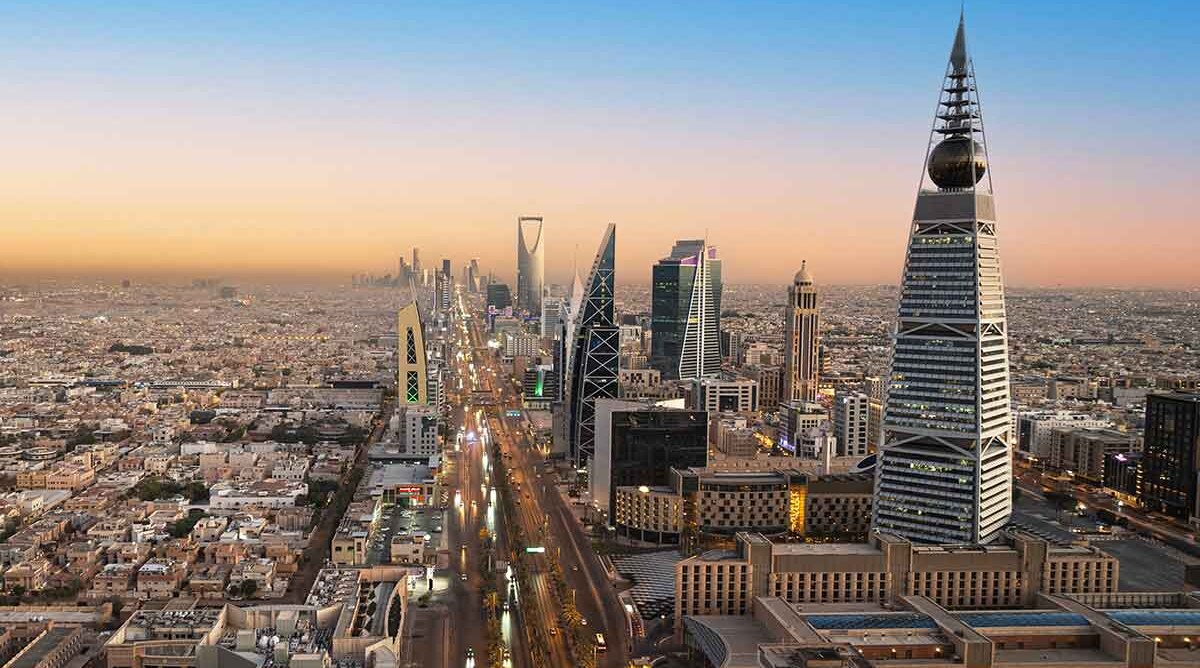
Markets move in waves. Some investors chase individual assets, others study the tide itself. Macro investment is about reading the tide. In Saudi Arabia, that tide is driven by sovereign capital, demographic shifts, infrastructure spending, and regulatory reform. For wealth managers assessing macro investments in Saudi Arabia, real estate has become the transmission channel through which national transformation converts into asset performance.
Economic management in KSA is becoming more structured. Reform is moving from ambition to execution, and foreign capital is participating with longer horizons. For investors, the environment reflects increasing predictability and strategic depth.
What is a Macro Investment?
A macro investment allocates capital based on large-scale economic forces rather than individual asset characteristics. It focuses on:
- GDP growth trajectories
- Fiscal policy and public expenditure
- Sovereign wealth deployment
- Demographics and urbanization
- Interest rate environments
If micro investing examines a single building’s occupancy rate, macro investing examines the economic engine driving demand for that building.
The Saudi Context
According to the World Bank, Saudi Arabia’s GDP reached approximately $1.24 trillion in 2024, positioning it among the largest economies in the MENA region.

For macro investors, this scale matters. It signals sustained capital deployment capacity across infrastructure, tourism, logistics and urban development.

The Investment Acceleration
It is pretty evident that Saudi Arabia is restructuring, but why right now?
Under Saudi Vision 2030, diversification aims to reduce oil dependency and expand non-oil GDP contribution. Real estate sits at the center of this transition because every new economic node requires physical space.
Real Estate as the Economic Multiplier
- Commercial zones support new industries
- Residential supply supports workforce mobility
- Logistics hubs enable trade expansion
- Hospitality supports tourism diversification
The scale of announced development exceeds $1 trillion when aggregating major public and semi-public initiatives. This level of capital concentration is rarely seen in emerging markets.
Want to have a look at the property prices in Saudi Arabia? See where to invest with bayut.sa.
The Story Behind the Numbers
Think of a macro investment strategy as investing in the railway network rather than individual trains. When infrastructure expands, every connected asset benefits from improved accessibility and demand spillover.
Projects such as:
- Qiddiya
- Diriyah Gate
- New Murabba
These are not isolated developments. They are economic anchors designed to shift population density and capital concentration.


When GDP growth clusters geographically, the surrounding land and housing demand often appreciate structurally rather than cyclically.
Key Benefits of a Macro Investment Strategy
- Policy-Aligned Growth
Aligning with Vision 2030 projects reduces regulatory unpredictability. - Capital Flow Visibility
Sovereign spending creates clearer demand trajectories. - Demographic Tailwinds
Saudi Arabia’s population continues to be concentrated in urban areas, with over 85% living in urban areas. - Yield Compression Potential
Early positioning in infrastructure-linked zones can capture pricing uplift before full completion.
For wealth managers, this reduces reliance on speculative price momentum and increases exposure to structural expansion.
How to Apply a Macro Investment Strategy in Saudi Real Estate
Step 1: Track Fiscal Announcements
Monitor:
- PIF sector allocations
- Ministry of Investment FDI updates
- Infrastructure budget releases
Net FDI inflows were approximately 1.7% of GDP in 2024, according to World Bank indicators. Sustained FDI inflow supports commercial leasing demand.
Step 2: Identify Urban Growth Corridors
Current high-concentration zones include:
- Northern Riyadh residential expansion
- Jeddah waterfront redevelopment
- Eastern Province industrial clusters
Step 3: Match Asset Class to Macro Thesis
- Tourism growth supports hospitality
- Corporate relocation supports office demand
- Port modernization supports logistics and warehousing
Step 4: Use Data Platforms
Access verified district-level listings and pricing insights via Bayut-KSA.
Investment Ranges & Returns
Institutional real estate allocations in Saudi Arabia typically fall within:
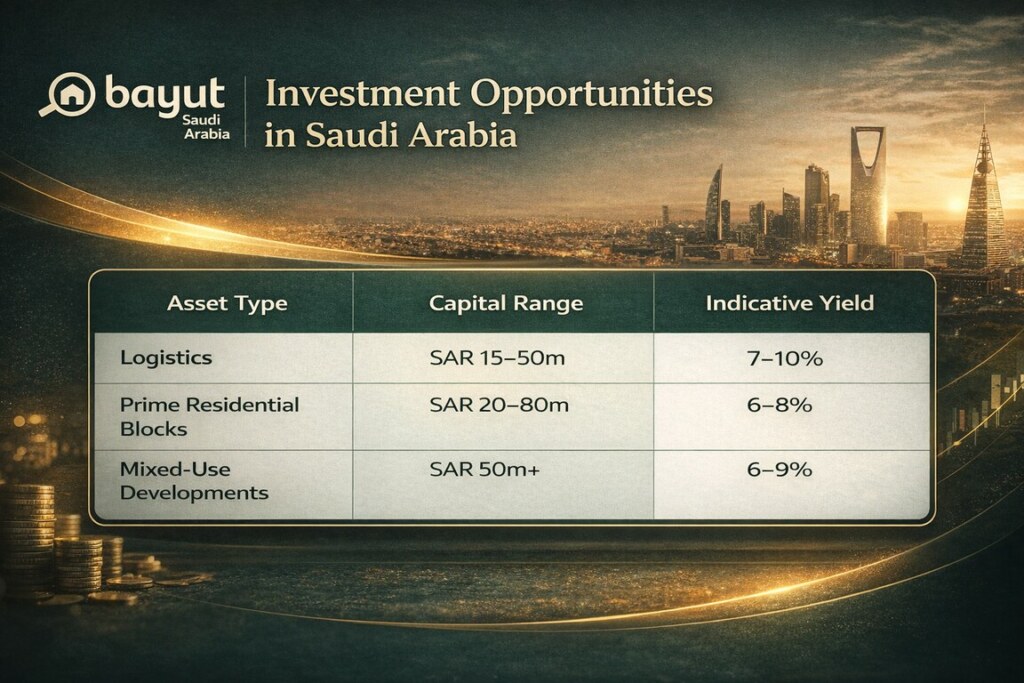
Factors affecting returns:
- Infrastructure completion timing
- Regulatory mortgage expansion
- Oil price stability
- Population mobility
The risk is not volatility alone. It is non-alignment with fiscal direction.
Bayut-KSA: Invest with Confidence
Macro investment identifies where capital should move. Execution determines whether it performs. The Bayut-KSA Investor’s hub bridges that gap.
After identifying growth corridors through sovereign spending, infrastructure expansion and demographic concentration, investors still need:
- Verified listings by district
- Clear foreign ownership guidance
- Pricing visibility
- Legal process clarity
It offers structured market access, localized insight and regulatory transparency, allowing wealth managers and investors to move from economic thesis to property allocation with confidence.





 as a preferred source on Google