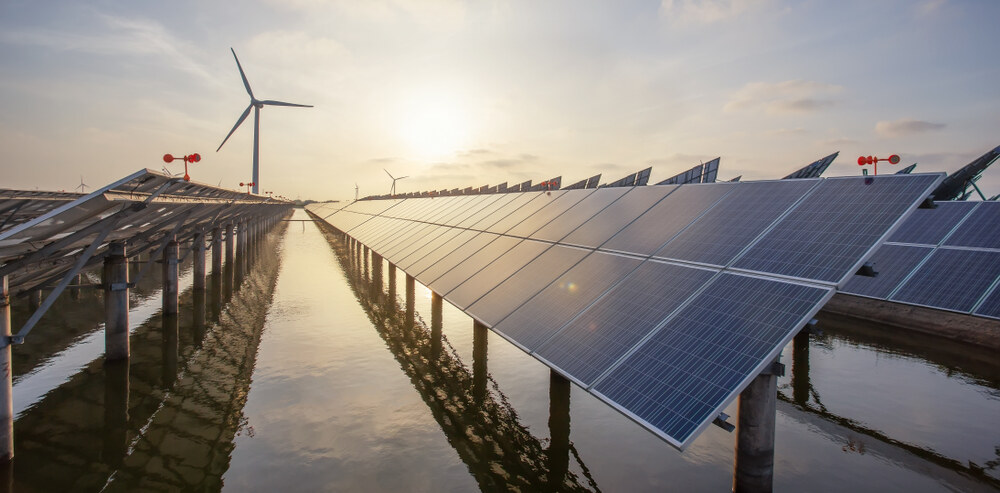
Electricity demand is rising across the world as economies grow, cities expand, and new technologies reshape energy consumption. Industries, transport systems, and digital services all depend on stable power. Meeting this demand requires continuous investment in power plants, electricity networks, and renewable energy systems. As a result, investing in energy infrastructure has become one of the most important long-term investment themes globally.
Saudi Arabia is increasingly part of this transformation. The Kingdom remains one of the world’s leading oil producers, yet it is also expanding solar, wind, and hydrogen projects under Vision 2030. These initiatives are creating new opportunities for energy infrastructure investment in Saudi Arabia.
The Foundations of Modern Energy
Energy infrastructure supports the systems that keep economies running. Factories rely on electricity to produce goods. Cities depend on stable power to operate transport, healthcare, and digital services.
Core components of energy infrastructure include:
- Power Generation Plants
- Electricity Transmission Networks
- Renewable Energy Projects
- Energy Storage Systems
- Oil and Gas Pipelines
These assets require significant investment but operate for decades. Their long lifespan and stable demand attract governments, institutional investors, and infrastructure funds.
Saudi Arabia’s Energy Transition
Saudi Arabia is expanding its energy sector as part of its broader economic transformation. The country is increasing its renewable energy capacity while modernising its electricity system.
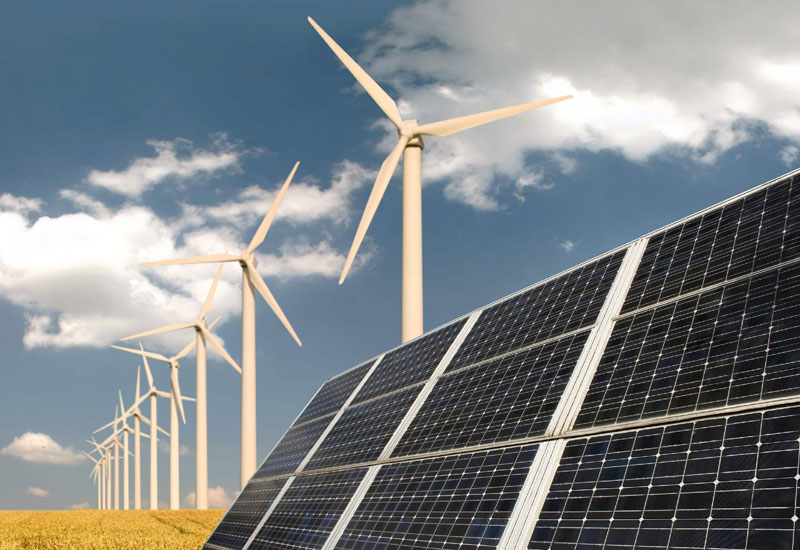
This target includes:

- 40 Gigawatts of solar power
- 16 Gigawatts of wind energy
- 2.7 Gigawatts of concentrated solar power
These goals highlight the scale of opportunities linked to investing in renewable energy infrastructure across Saudi Arabia.
Solar Projects Leading the Expansion
Solar energy is playing a major role in Saudi Arabia’s renewable strategy. The country receives strong solar exposure, making it well-suited for large solar power projects.
Sakaka Solar Power Plant
The Sakaka Solar Power Plant in Al Jouf was one of the Kingdom’s first utility-scale solar projects.
Key features include:
- 300 Megawatts of solar capacity
- Development under The National Renewable Energy Program
- Electricity supply for thousands of homes
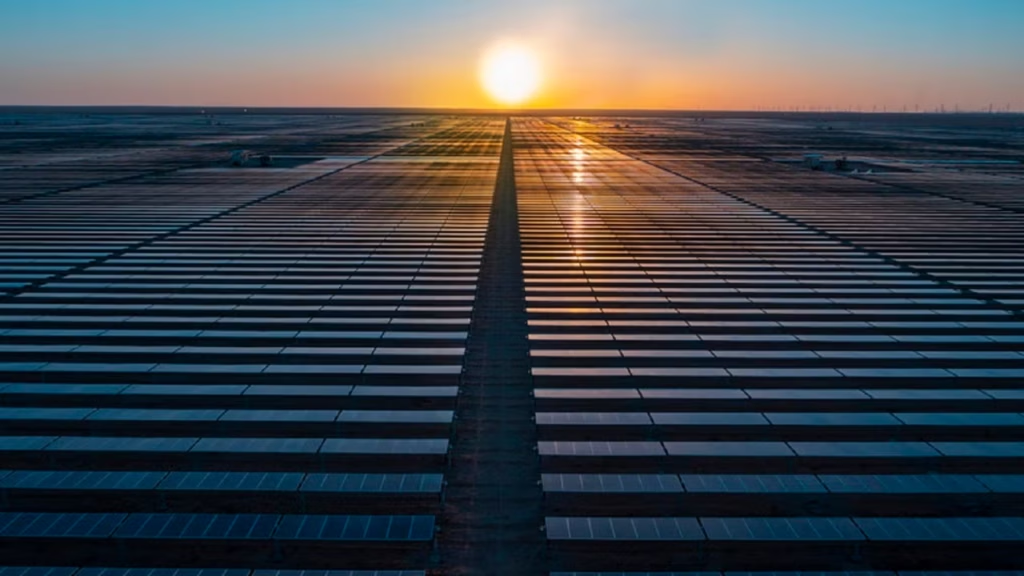
The project helped demonstrate the potential for large solar installations in Saudi Arabia.
Sudair Solar Power Project
The Sudair Solar PV Project represents one of the largest solar plants in the region.
Key figures include:

- 1.5 Gigawatts of solar capacity
- Investment of around 924 million dollars
- Development led by ACWA Power and The Public Investment Fund
Projects such as Sudair show how quickly energy infrastructure investment is expanding in Saudi Arabia.
The Future Energy Market
Hydrogen is becoming an important part of the global energy transition. Many countries are exploring hydrogen as a cleaner fuel for industry and transportation.
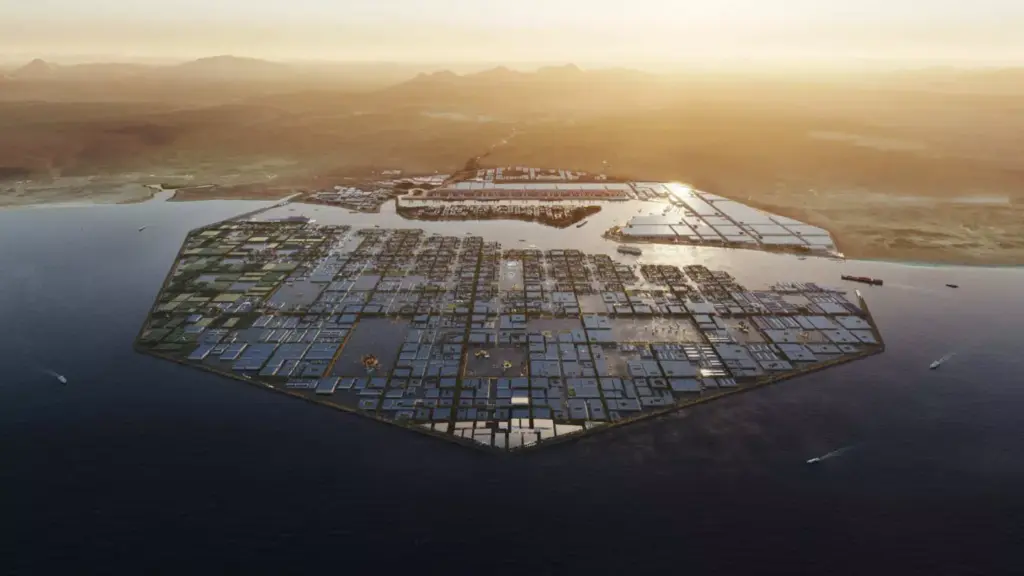
The project includes:
- 3.9 Gigawatts of renewable energy capacity
- Production of around 650 tonnes of green hydrogen per day
- Total Investment of approximately 8.4 billion dollars
The facility is expected to position Saudi Arabia as a major exporter of green hydrogen.
New Projects Driving Investment
Energy infrastructure investment in Saudi Arabia continues to grow as new renewable projects are announced across the country.
Recent project announcements include:
- Investment exceeding 2 billion dollars for these developments
- A broader renewable project pipeline valued at around 32 billion dollars between 2025 and 2030
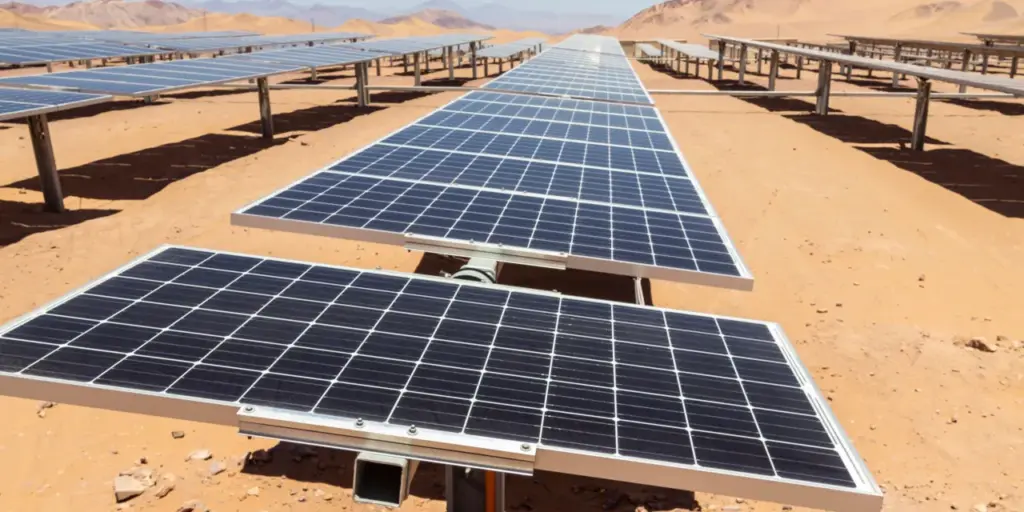
These developments highlight the increasing momentum behind investing in energy infrastructure in the Kingdom. Also read about other infrastructure investments in KSA with Bayut.sa.
Projects Shaping New Economic Zones
Energy infrastructure is closely tied to the development of new economic zones and cities. In Saudi Arabia, renewable energy projects support large developments such as:
- NEOM
- Oxagon
- Industrial zones linked to energy production
- Logistics and manufacturing clusters
These projects create demand for housing, offices, logistics hubs, and commercial districts. That creates opportunities in real estate investment and development.
Investor’s Entry into the Market
Investors participate in investing in energy infrastructure through several structures. Common investment approaches include:
- Infrastructure investment funds
- Public-private partnerships
- Direct project D=development
- Equity investment in energy companies
Renewable energy projects in Saudi Arabia are often awarded through competitive tenders managed by the Saudi Power Procurement Company.
Discover New Opportunities with Bayut-KSA
As renewable energy and major infrastructure projects expand, new investment ecosystems are forming across the Kingdom. Bayut-KSA’s Investor Hub provides insights into infrastructure developments, real estate trends, and investment opportunities shaping Saudi Arabia’s future economy.
Explore Bayut-KSA to stay informed about the projects and sectors driving the Kingdom’s next phase of growth.




 as a preferred source on Google