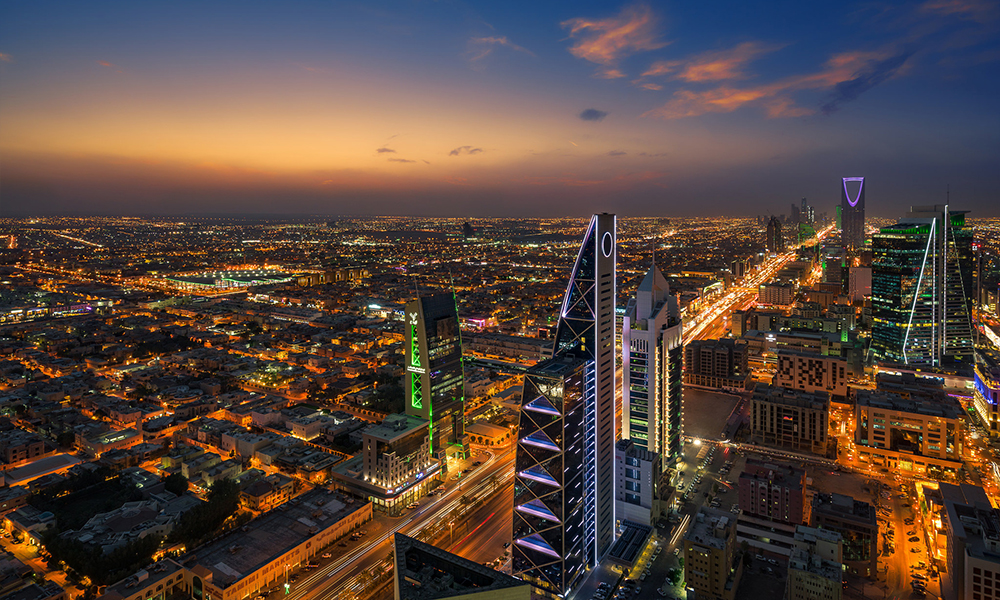
Across Saudi Arabia, large construction cranes, rail networks, and new cities are becoming a familiar sight. Roads are expanding, airports are being redesigned, and entire urban districts are being built from the ground up. These projects are part of a broader national effort to strengthen the country’s economic foundations. Infrastructure investment plays a central role in this effort.
Saudi Arabia is directing major capital toward transport networks, energy systems, tourism destinations, and digital connectivity. The goal is clear: build the physical systems needed to support a growing population, expanding industries, and a more diversified economy.
What is Infrastructure Investment?
Infrastructure investment refers to funding directed toward essential physical systems that support economic activity. These systems form the backbone of modern economies.
Transport infrastructure
- Highways and expressways
- Railway corridors
- Metro systems
- Airports and seaports
Energy infrastructure
- Power generation plants
- Natural gas processing facilities
- Solar and wind energy projects
- Electricity transmission networks
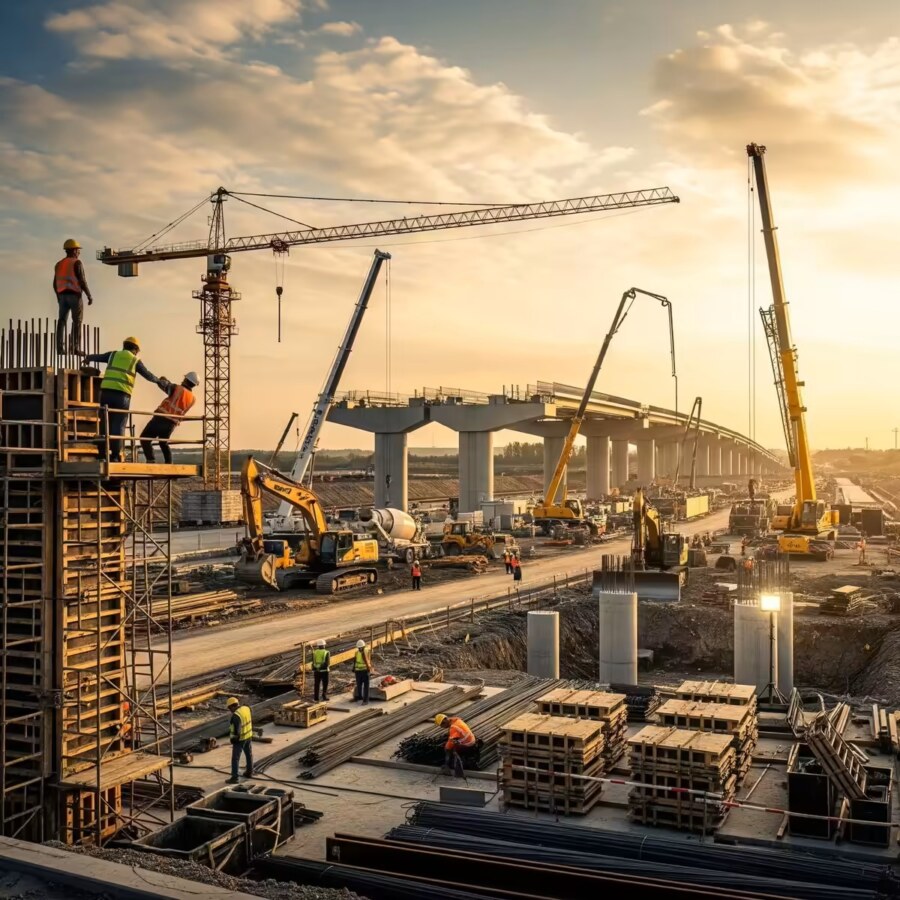
Water infrastructure
- Desalination plants
- Wastewater treatment systems
- Water distribution networks
Digital infrastructure

- Telecommunications networks
- Fiber broadband
- Data centres
- Cloud computing systems
Infrastructure projects often operate for 30–50 years and require large upfront capital. Governments, sovereign funds, and private investors usually share the financing.
Saudi Arabia’s Infrastructure Pipeline
Saudi Arabia has one of the largest infrastructure pipelines in the world. Major indicators include:
- USD 1 trillion total project pipeline
- 68 billion infrastructure construction market in 2026
- SAR 1.3 trillion annual government budget spending
- Hundreds of large projects under Vision 2030
The Public Investment Fund (PIF) plays a central role in financing many of these projects.
Key sectors receiving funding include:
- Tourism development
- Transportation systems
- Logistics infrastructure
- Renewable energy
- Urban development
Major Infrastructure Sectors Attracting Investment
Infrastructure investment in Saudi Arabia is concentrated across several sectors.
Transport Infrastructure
Transport investment focuses on improving mobility within cities and strengthening international connectivity. Major projects include:

- Riyadh Metro
- 176 km rail network
- 85 stations
- One of the largest metro projects globally
- Haramain High-Speed Railway
- Connects Makkah and Madinah
- High-speed passenger rail network
- King Salman International Airport
- New aviation hub in Riyadh
- Planned capacity of up to 120 million passengers annually
- Port expansion projects
- Logistics corridors linking ports with industrial cities
Energy Infrastructure
Saudi Arabia continues to invest heavily in both traditional and renewable energy infrastructure. Major projects include:
- Jafurah gas field development
- Expected production of 2 billion cubic feet of gas per day by 2030
- Large solar power projects
- Part of Saudi Arabia’s renewable energy strategy
- Wind energy facilities
- Electricity transmission grid expansion
The Kingdom aims for 50% renewable electricity generation by 2030.
Tourism Infrastructure
Tourism has become a major infrastructure investment priority. Several large tourism developments are underway.
NEOM
- $500 billion megaproject
- smart city development on the Red Sea
The Line
- 170 km linear city within NEOM
- high-speed transport infrastructure
Red Sea Global
- Luxury tourism development
- Dozens of island resorts
Diriyah Gate
- Heritage tourism destination near Riyadh
These projects require extensive supporting infrastructure, including airports, transport systems, utilities, and digital networks.
Digital Infrastructure
Saudi Arabia is investing heavily in digital infrastructure to support technology growth. Recent investments include:
- Large cloud data centres
- Artificial intelligence infrastructure
- High-speed telecom networks
Major global companies are expanding their digital presence in the Kingdom. For example:
- Amazon Web Services announced more than $5 billion in data centre investment in Saudi Arabia.
Risks Investors Must Consider
Infrastructure investments require careful planning and long-term horizons. Key risks include:
- Long project Timelines
- Regulatory Complexity
- Capital Intensity
- Operational Complexity
Understanding these factors is essential when evaluating infrastructure investments.
Explore more with Bayut-KSA
Infrastructure projects across Saudi Arabia are creating new investment opportunities in transport, tourism, energy, and urban development. For market insights and property opportunities across the Kingdom, explore more with Bayut-KSA.




 as a preferred source on Google