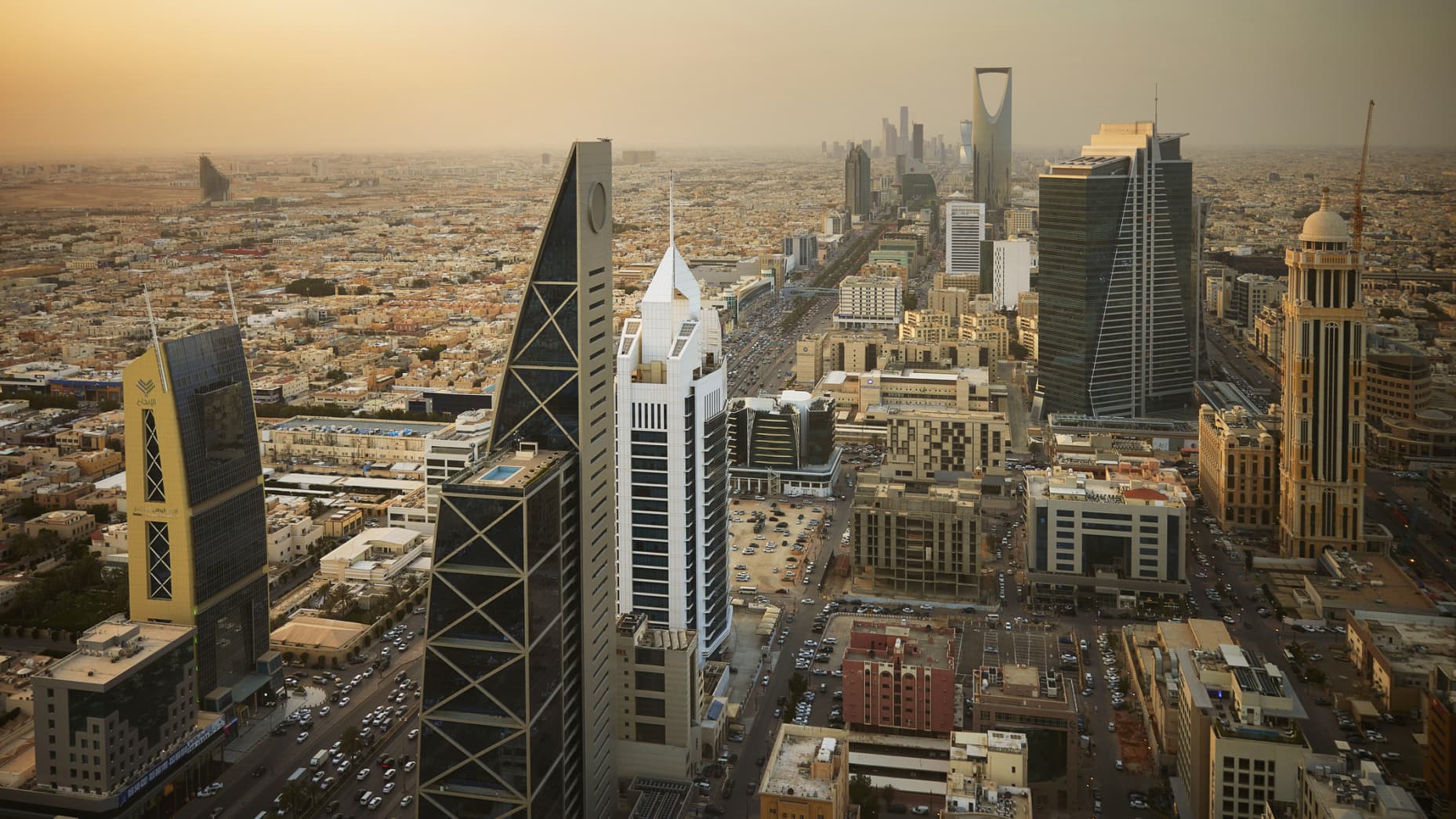
The benefits of investing in land in Riyadh are closely linked to the capital’s long-term transformation. Riyadh is expanding as a residential, commercial, business and events hub, supported by infrastructure growth, population demand and major national projects.
Land is different from ready property. It does not always generate immediate income, but it can offer long-term value, flexibility and future development potential. A plot can be held for resale, developed into residential or commercial property, or used as part of a wider real estate portfolio.
Riyadh’s Growth Makes Land More Attractive
Riyadh’s growth story is one of the main reasons investors study land opportunities in the city. The capital is attracting housing demand, office growth, tourism projects, commercial activity and large-scale infrastructure development.

For land investors, this matters because major events, road networks, commercial districts and public projects can influence nearby land values. Areas that gain stronger access, better services and higher demand may become more attractive over time.
Land in Riyadh may appeal to investors because it can benefit from:
- Urban expansion
- New residential communities
- Commercial development
- Road and transport upgrades
- Business and office demand
- Mixed-use development
- Future resale demand
Long-Term Capital Growth Potential
One of the main benefits of investing in land in Riyadh is capital appreciation. Land may increase in value when the surrounding area becomes more developed, better connected or more desirable for residents and businesses.
This can happen when new roads, utilities, schools, offices, retail centres or transport links improve nearby. A plot bought before a district fully matures may become more valuable as demand grows.
Investors looking at undeveloped plots can also read Bayut-KSA’s guide to investing in raw land in Saudi Arabia, which explains how location, infrastructure and future urban expansion affect land value.
Flexibility For Future Development
Land gives investors more flexibility than completed property. A finished apartment, villa or shop already has a fixed structure and use. Land can offer different future options, depending on zoning, permits and approvals.
Why Riyadh Land Is Attracting Investor Attention
Key market signals supporting the long-term land investment case.
Expo 2030 is expected to bring 42M+ visits to Riyadh.
The non-Saudi ownership framework entered into force in January 2026.
Land can support residential, commercial, mixed-use or resale strategies.
Riyadh’s 5-year rent freeze makes careful return planning more important.
A plot may be used for:

- Residential development
- Commercial units
- Mixed-use projects
- Warehousing or logistics
- Long-term resale
- Developer partnerships
This flexibility is useful for investors who want exposure to Riyadh’s growth but do not want to immediately commit to a ready property.
Bayut-KSA’s guide to the future of real estate in Saudi Arabia also explains how Vision 2030, housing demand and faster project delivery are shaping the property market.
Land Ownership In Riyadh
Many investors search for how to buy land in Riyadh before comparing plots. For Saudi buyers, land ownership is generally possible if the plot has a valid title, correct registration and permitted use. The buyer should still check zoning, building rules, ownership history, road access and any restrictions linked to the land.
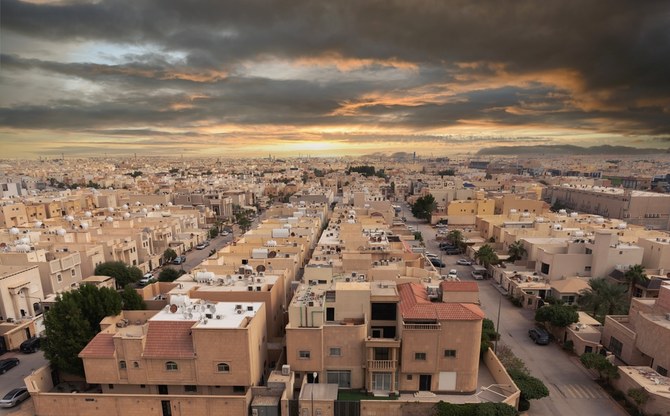
This means buying land in Riyadh may be possible for eligible buyers, but it must follow the official process and any location-based restrictions.
Foreign Buyer Access
For readers searching whether Saudi Arabia allows foreigners to buy land, the answer is yes under the new real estate ownership framework, but not without conditions. REGA states that the Saudi Properties portal is the approved digital platform for implementing the law and is linked to the real estate registration system.
Foreign investors should check:
- Eligibility status
- Approved geographic zones
- Property or land type
- Registration requirements
- Required approvals
- Ownership restrictions
- Official platform procedures
For foreign buyers, Bayut-KSA’s guide to Saudi property ownership law for foreigners explains how the ownership framework affects non-Saudi real estate investment.
Checks Before Buying Land
Land investment can be rewarding, but it is more research-heavy than buying ready property. A weak plot can remain difficult to sell if the location, access or legal status is unclear.
Before buying land in Riyadh, check:
- Title deed and ownership history
- Zoning and permitted use
- Building height and density limits
- Road access
- Utility connections
- Nearby infrastructure
- Registration costs and taxes
- Resale demand
- Legal eligibility
Riyadh investors should also be aware of rental regulations if the land is later developed into income-generating property. In September 2025, Saudi Arabia ordered a 5-year freeze on rent increases for both residential and commercial properties within Riyadh’s urban area.
Riyadh Land Investment Snapshot
This does not remove the value of development, but it means investors should calculate future rental income carefully rather than assuming unlimited annual rent growth.
Land In Riyadh As A Long-Term Investment
The benefits of investing in land in Riyadh are strongest for investors with a long-term view. Land can benefit from city expansion, infrastructure growth and future development demand. It also gives investors flexibility to hold, build, resell or partner with developers.
However, land is not suitable for every investor. It may not provide immediate income and can be harder to value than a ready property. It also depends heavily on legal checks, zoning and location quality.
A strong plot should have:
- Clear ownership
- Legal eligibility
- Practical road access
- Approved future use
- Development potential
- Demand from real buyers or tenants
The best approach is to compare the land’s current price with its future use. A plot only becomes a strong investment when location, regulation, infrastructure and demand all support the same long-term case.




 as a preferred source on Google