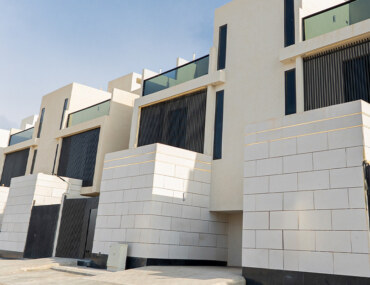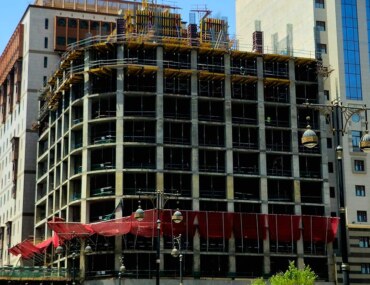
The Vacant Property Rental Value in Saudi Arabia has recently gained significant attention as the Kingdom implements new regulations to optimize real estate market efficiency and activate underutilized assets. Understanding these regulations is essential for landlords, tenants, and investors aiming to navigate the evolving landscape and ensure compliance while maximizing returns.
Continue reading to learn about the regulations governing vacant property rental values in Saudi Arabia, the mechanisms for correcting violations in landlord-tenant relationships, and the impact of recent legislative reforms on the market.
Regulations for Vacant Property Rental Value in Saudi Arabia

Saudi Arabia’s Official Gazette has published comprehensive rules regulating the Vacant Property Rental Value in Saudi Arabia, approved by the Real Estate General Authority (REGA). These regulations provide a structured framework for reviewing objections related to rental values and ensuring fair practices across urban areas.
Legal Definitions and Scope
The key legal definitions and scope under the regulations affecting Vacant Property Rental Value in Saudi are as follows:
- Vacant Property refers to properties not leased at the time of an objection submission.
- Specified Total Rent includes the rental value from the most recent lease contract and any additional payments made by the tenant.
- Legal Provisions are the rules governing landlord-tenant relationships issued under Royal Decree No. (M/73) dated 4/2/1447 AH.
Objection Review Process via Ejar
REGA oversees the review of objections concerning vacant property rental values. The process includes:
- Submission of objections via the Ejar platform
- Decision issuance within 10 working days of a complete request
- Submission of additional documents within 10 working days of notification
- Decisions are communicated directly via Ejar with clear reasoning for acceptance or rejection.
Required Supporting Documentation
Special cases, such as major renovations, require:
- Construction or renovation permits
- Engineering office reports detailing the renovation
- Valuation reports from accredited real estate valuers showing updated market rental value
For properties with lease contracts signed before January 1, 2024, valuation reports must reflect the market rental value at the time of regulation issuance.

Correcting Violations in the Landlord Tenant Relationship in Saudi Arabia
The regulations also include a framework for correcting violations in the landlord-tenant relationship. These rules ensure compliance with legal provisions and protect tenants’ rights.
Definition of Violations and Correction
A violation is any act or omission breaching the legal provisions, as determined by the committee formed under Article 20 of the Real Estate Brokerage Law. Corrective actions are required to restore compliance within a specified period.
Correction Period and Enforcement
The following highlights the key rules for correction period and enforcement under the regulations affecting Vacant Property Rental Value in Saudi Arabia:
- Violations must be corrected within 10 working days
- Non-compliance allows REGA to adjust rent values or renew leases directly
Common Violations and Required Corrections
The table below summarizes the most common violations by landlords and the required corrective actions under the regulations governing Vacant Property Rental Value in Saudi Arabia:
Violation Type | Corrective Action |
|---|---|
Violation Type Increasing rent in Riyadh beyond legal limits | Corrective Action Adjust to comply with regulations |
Violation Type Raising vacant property rent above last lease value | Corrective Action Revert to compliant rental value |
Violation Type Failure to register lease on Ejar | Corrective Action Register the contract |
Violation Type Refusal to renew lease unlawfully | Corrective Action Renew the lease if tenant wishes |
Vacant Properties Fees Under the Amended White Land Law
On 12 May 2025, Royal Decree No. (M/244) and Council of Ministers Resolution No. (758) introduced amendments to the White Land Fee Law, now titled White Land and Vacant Properties Fees Law. This law directly affects the Vacant Property Rental Value in Saudi Arabia, particularly for long-term unoccupied properties.
Key Changes
The amended law introduces key updates affecting Vacant Property Rental Value in Saudi, aimed at reducing vacancy and improving market efficiency:

- New Fee on Vacant Properties: Targets developed but unoccupied buildings affecting market supply.
- Redefinition of White Land: All urban vacant land capable of development falls under the fee.
- Variable Fee Rates: White Land up to 10% Vacant Properties up to 5% or 10% based on value.
- Land Parcel Aggregation: Multiple plots may be combined to determine fee applicability.
Comparison Between Original and Amended Law
The following table highlights the main differences between the original White Land Law and the amended law, showing how the changes affect Vacant Property Rental Value in KSA:
Aspect | Original Law | Amended Law |
|---|---|---|
Aspect White Land Scope | Original Law Residential/mixed-use only | Amended Law All developable urban land |
Aspect Vacant Properties Fee | Original Law Not applicable | Amended Law Introduced |
Aspect Fee Structure | Original Law Flat 2.5% | Amended Law Variable, tiered |
Aspect Parcel Assessment | Original Law Individual parcels | Amended Law Aggregation possible |
The Impact of Market Trends on Vacant Property Rental Value in Saudi Arabia

The Vacant Property Rental Value in Saudi is influenced by urban population growth, infrastructure projects, and housing demand in cities like Riyadh, Jeddah, and Dammam. Properties near commercial hubs or upcoming developments often have higher potential rental values. Investor behavior and speculative holding also affect vacancy rates, while Vision 2030 policies encourage timely property use, helping landlords and investors optimize returns and stay compliant.
Frequently Asked Questions (FAQs)
Here are answers to common questions about Vacant Property Rental Value in Saudi Arabia:
What qualifies as a vacant property?
A property is vacant if it is unleased at the time an objection is submitted.
How can landlords dispute the specified rental value?
Objections must be filed via the Ejar platform, supported by required documents. REGA reviews objections within 10 working days.
What happens if a landlord fails to correct a violation?
REGA may directly adjust rental values or renew leases to enforce compliance.
Are vacant properties subject to fees?
Yes. The amended law allows annual fees on long-term unoccupied urban properties.
Can parties seek legal compensation?
Yes. The regulations preserve the right to seek compensation before the competent courts.
How is the Vacant Property Rental Value in Saudi Arabia determined?
The value is based on the most recent lease contract, supporting documents, and, if applicable, accredited real estate valuations submitted through the Ejar platform.
Does location influence the Vacant Property Rental Value in Saudi Arabia?
Properties near commercial hubs, infrastructure projects, or urban development zones often have higher potential rental values.
What impact does investor behavior have on Vacant Property Rental Value in Saudi Arabia?
Speculative holding or delayed leasing can affect vacancy rates and market liquidity, indirectly influencing rental values.
This article has outlined the key regulations governing Vacant Property Rental Value in Saudi Arabia, the procedures for correcting violations in landlord-tenant relationships, and the impact of legislative reforms on activating underutilized assets. These measures demonstrate Saudi Arabia’s commitment to a transparent and efficient real estate market.
We invite you to visit Bayut Blog for the latest insights, updates, and guidance on real estate regulations in the Kingdom.