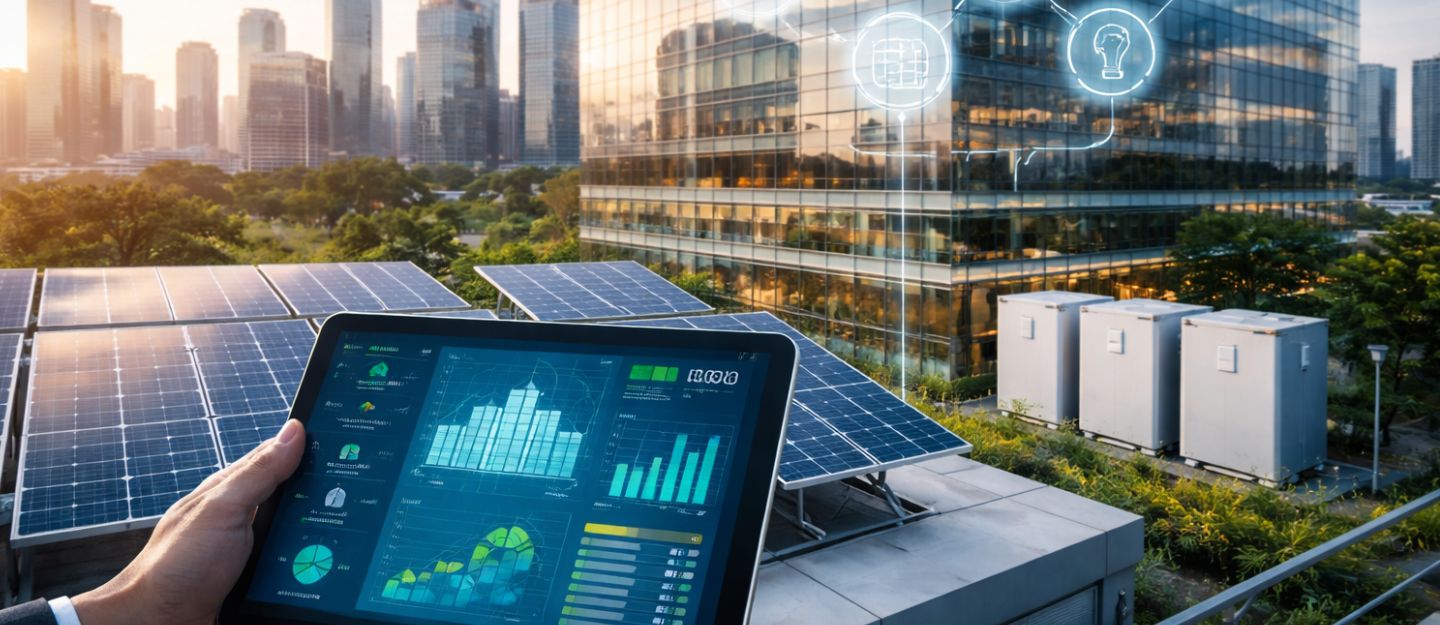
The smart building energy management became one of the crucial elements of achieving a high operational efficiency and environmental sustainability in the future. In this article, we explain how this management works and what are its futuristic benefits.
How Does Smart Building Energy Management Work?
Basically, smart energy management systems play an important role in organizing the energy consumption inside the buildings through some processes:
- Combining sensory networks
- Smart analysis
- Automatic control tools
These systems focus on collecting data from the sensors that are spread in the building, such as heat sensors, lights and electronics.
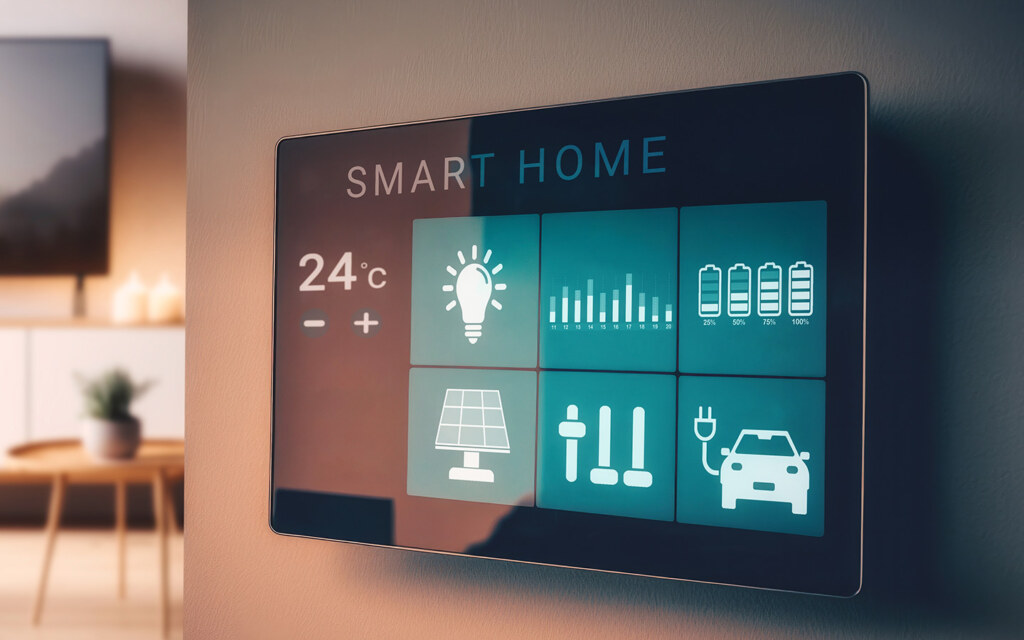
Additionally, they use AI and predictive analytics to understand the consumption patterns and predict futuristic situations. According to these analytics, the system can modify multiple other systems like heating, ventilation, HVAC, lights and other tools automatically to reduce consumption and enhance the efficiency.
Also read about: Smart Cities in Saudi Arabia
Energy Management Technologies and Solutions for Smart Buildings
Because of cloud computing, the smart building energy management tools develop rapidly, in addition to the AI and the advanced sensors.

These technologies provide different solutions through multiple tools that rely on transforming energy from a mere resource to be consumed into a tool for intelligent operational optimization and regulation. Here are the prominent tools and technologies that are used in energy management:
Using Data and Smart Analytics
Energy analysation systems are used to provide some detailed reports of energy consumption in the building. This helps in identifying the areas with high consumption levels and making continuous improvements. Additionally, this includes using key performance indicators (KPIs) to monitor energy efficiency.
HVAC Smart Systems
The different systems like heating, ventilation and air conditioning (HVAC) embody about 40% of energy consumption in buildings.
This made the smart building energy management focus on some sensors to discover humidity to set and modify settings automatically, which reduces consumption while affecting efficiency, combining it with fire warning systems to shut off ventilation in case of danger.
Integration with Renewable Energy Resources
Energy management systems can be connected with renewable energy resources like solar panels and storage systems. This integration does not only reduce reliance on the main electricity network. Also, it reduces the carbon emissions and enhances environmental sustainability.

Moreover, these technologies contain some advanced solutions that use Digital Twin to create a virtual copy of the building, helping in testing and enhancing the energy management performance virtually before implementing it.
Building Energy Management System Example
This type of building intensively depends on some digital technologies to enhance the energy consumption efficiency, so the AI came as the first place of these technologies.
It allows analyzing huge quantities of operational data and taking direct decisions that contribute to reducing consumption, improving systems efficiency and creating a balance between consumers and energy guidance.
Also read about: Investing in Smart Delivery Apps
Smart Building Energy Management (EMS\BEMS)
Smart building energy management systems are considered as the backbone of any smart building. It combines monitoring, analysis and energy control through a single central platform that works on enhancing energy using efficiency, reducing consumption and operational costs.
Smart Lighting
Smart lighting system is one of the main domains the smart building energy management , because it depends on automatic taught sensors and technologies works with the users movements inside the room and the natural outdoor light,
This contributes to conserving electricity by reducing the intensity of the lights by turning them off when they are not needed or the room is empty.
Cloud Energy Management
Cloud computing technologies work on collecting, storing and analyzing energy consumption data for multiple buildings directly, which allows for construction owners to check on the energy consumption and efficiency, in addition to discovering enhancing efficiency opportunities remotely, no matter if the locations are far.
Benefits of Smart Building Energy Management
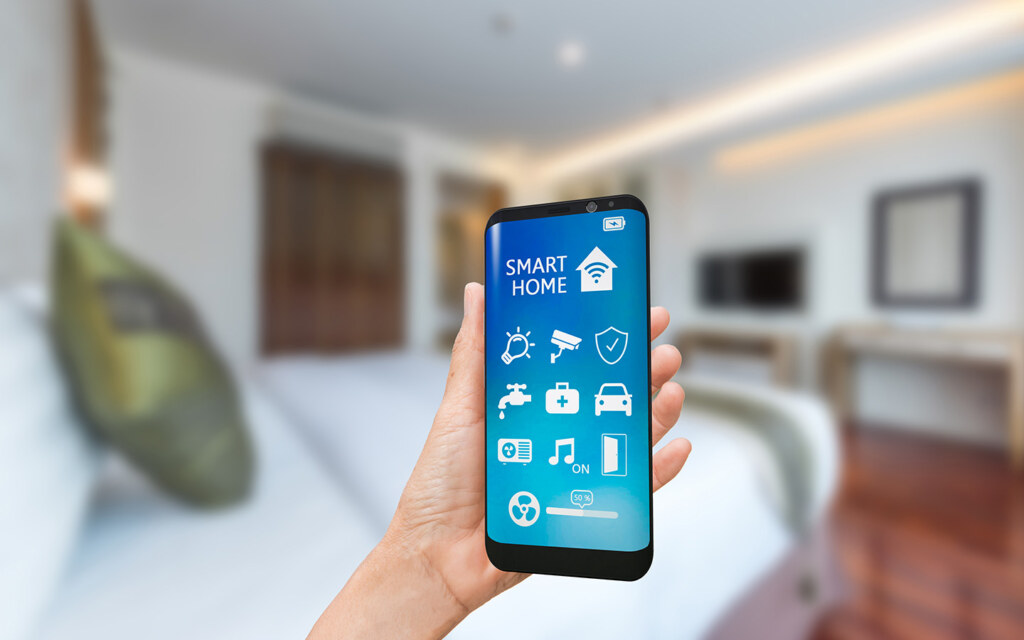
This management offers a wide range of practical, environmental and economic benifits that drive institutions to higher efficiency and better sustainability in energy consumption.
Also, these benefits rely on the smart energy systems ability of collecting data, analyzing it and automatic control in electronics and systems, such as lighting, conditioning and heating, which archives a notable general enhancement in the building efficiency. All of these benefits can be summarized as the following:
- Reducing energy consumption and costs
- Improving the operational efficiency and sustainability
- Real time monitoring and control
- Proactive maintenance and breakdown reduction
- Integration with renewable energy sources
Finally, we knew all the information about smart building energy management , but there is more to discover in Bayut Blog about the new systems of healthy environment and the futuristic plans of urbanization.


 as a preferred source on Google