Saudi Arabia’s technology economy continued to expand in Q3 2026, with commercial registrations rising across cloud computing, artificial intelligence and cybersecurity. The growth does not mean every registered company has already taken office or data-centre space. It does, however, point to a larger pool of technology businesses operating in sectors that rely heavily on digital infrastructure, computing capacity and modern workplaces.
For property investors, that makes offices, technology districts and data-centre infrastructure increasingly important segments to watch.
Cloud Computing Is the Fastest-Growing Tech Activity
Cloud computing recorded the highest growth rate among the promising sectors highlighted by the Ministry of Commerce.
Registrations reached 7,362 by the end of Q3 2026, representing a 35% annual increase. AI followed with 31% growth, while cybersecurity expanded by 22%.
The wider business environment is also expanding. More than 50,000 new commercial registrations were issued during Q3, while Saudi Arabia had more than 1.9 million active commercial registrations across all sectors.
For the property market, cloud and AI growth are particularly interesting because these industries can require two different types of space.
- Conventional offices for staff and operations
- Specialised facilities for cloud and AI computing infrastructure
That second category is where the real-estate story becomes more distinctive.
Could Tech Growth Support Riyadh Office Demand?
Riyadh already has one of Saudi Arabia’s tightest office markets. CBRE reported Grade A office occupancy of around 98% in Q1 2026. The same research identified technology as one of the sectors contributing to occupier demand, alongside financial services, healthcare and consulting.
By Q2, Riyadh’s total office stock had exceeded 6 million sq m of gross leasable area, while demand for Grade A space continued to exceed available supply.
For investors, the most relevant office locations are likely to be those offering:
- High-quality digital connectivity
- Flexible floorplates
- Smart-building systems
- Backup power
- Strong security
- Access to transport
- Nearby retail and services
A growing technology sector can add another layer of demand to these buildings.
Businesses
Operations
Compute Needs
Infrastructure Demand
Data Centres Could Become an Even Bigger Property Story
The office market is only one part of Saudi Arabia’s technology expansion.
Data centres are becoming increasingly important because AI and cloud computing require large amounts of computing capacity.
A major development came on 1 November 2026, when PIF and Aramco completed a transaction under which Aramco acquired a 49% stake in HUMAIN and PIF retained 51%.
The transaction includes around SAR 9.9 billion in cash contributions during 2026, alongside AI, compute and digital assets.

HUMAIN is building an integrated AI ecosystem spanning:
- Data centres
- High-performance computing
- Cloud platforms
- AI models
- AI applications
Its current target is particularly relevant for real estate.
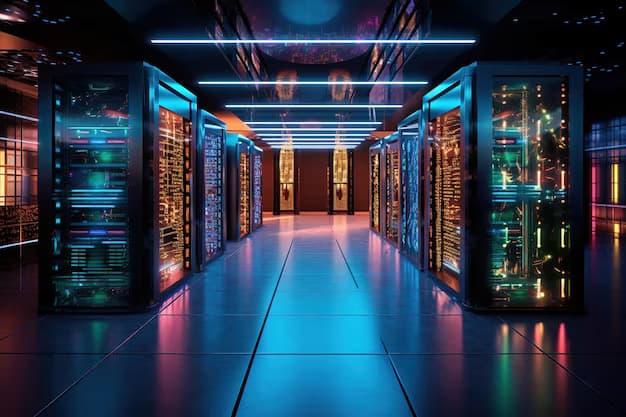
HUMAIN plans to deploy 3 GW of AI data-centre capacity by 2030.
That requires far more than server equipment. Large-scale facilities need land, power, cooling and connectivity.
What Does an AI Data Centre Need?
Data-centre projects can be much more location-sensitive than conventional commercial property.
Key requirements include:
- Large development sites
- Reliable electricity supply
- High-capacity fibre networks
- Cooling infrastructure
- Backup power
- Physical security
- Access for technical staff
- Expansion capacity
This makes data centres a specialised infrastructure-led property segment.
Another SAR 2.5bn Is Going Into AI Infrastructure
The investment pipeline continued in November.
On 9 November 2026, Saudi Arabia’s National Infrastructure Fund and HUMAIN signed two financing agreements worth up to SAR 2.5 billion.
The funding is intended to support:
- AI computing capacity
- Critical energy infrastructure
- Digital infrastructure expansion
This is particularly relevant for property investors because it shows that AI growth is moving beyond company registrations and software development into physical infrastructure.
The strongest data-centre locations may therefore be determined less by traditional office-market factors and more by power availability, land and fibre connectivity.
Saudi Industrial Property Is Becoming More Technology-Driven
Technology expansion is also changing the role of industrial real estate.
CBRE has identified growing demand for technology-led industrial infrastructure alongside conventional logistics and warehousing.
Potential asset types include:

- Data-processing facilities
- High-density computing sites
- Cloud infrastructure
- Automated warehouses
- Smart logistics facilities
- Advanced manufacturing space
These properties can require more capital and technical infrastructure than conventional warehouses.
However, they may also serve occupiers with specialised long-term requirements.
Office Investors Should Focus on Quality
The rise in technology businesses does not mean every office building will benefit equally.
Technology occupiers may place more weight on building specifications, connectivity and operational resilience.
For investors, useful property characteristics include:
- Modern building systems
- Fast digital connectivity
- Flexible workspace
- Reliable backup power
- Security
- Transport accessibility
- Strong surrounding amenities
This is consistent with the broader Riyadh office trend, where premium Grade A stock continues to attract strong occupier demand.
Could Tech Growth Affect Residential Property?
The residential effect is more indirect.
Growing technology companies can create jobs and attract skilled workers. Those employees may then need housing near major employment centres.
Potential areas of impact include:
- Apartments near business districts
- Executive housing
- Serviced residences
- Rental communities near employment clusters
- Mixed-use developments with office and residential components
Commercial-registration growth alone does not prove that residential demand has already increased.
Investors should still compare employment growth, rental demand, new supply and local property prices.
Bayut-KSA’s Saudi property prices Q3 2026 analysis provides a useful benchmark for current residential trends.
What Should Property Investors Watch Next?
Technology registrations provide an early business-growth signal.
More meaningful property indicators will come from what happens next.
Investors should watch:
- Office leasing by technology companies
- Data-centre project launches
- Land purchases for digital infrastructure
- New power infrastructure
- Cloud capacity expansion
- Technology-sector employment
- New innovation districts
- Rental growth near employment clusters
These indicators can show whether business growth is translating into sustained physical demand.
Saudi Tech Growth Is Becoming a Real-Estate Story
Saudi Arabia’s technology sector is expanding across several fronts.
By the end of Q3 2026:
- Cloud computing registrations were up 35%
- AI registrations were up 31%
- Cybersecurity registrations were up 22%
At the same time, physical AI infrastructure is receiving significant capital.
HUMAIN is targeting 3 GW of data-centre capacity by 2030, while up to SAR 2.5 billion in additional financing has been agreed for AI computing and supporting energy infrastructure.
For property investors, this creates two distinct markets to watch.
Modern offices can benefit as technology businesses expand their teams and operations. Data centres and specialised industrial assets can benefit as cloud computing and AI require more physical infrastructure.
The most useful question for investors is therefore where technology growth will require land, buildings and supporting infrastructure next.
Frequently Asked Questions
How fast are Saudi AI businesses growing?
Commercial registrations for artificial intelligence activities reached 24,693 by the end of Q3 2026, up 31% year on year.
How many cloud computing registrations are there in Saudi Arabia?
Cloud computing registrations reached 7,362 in Q3 2026, representing annual growth of 35%.
How many cybersecurity registrations were recorded?
Saudi Arabia recorded 11,274 cybersecurity commercial registrations by the end of Q3 2026, up 22%.
Is Saudi Arabia expanding data-centre capacity?
Yes. HUMAIN is targeting 3 GW of AI data-centre capacity by 2030, while additional financing has been announced for AI computing and related energy infrastructure.
Could tech growth increase office demand?
It can contribute where technology companies expand physical operations. Riyadh already has high Grade A office occupancy, and CBRE identifies technology as one of the sectors supporting occupier demand.
Does tech growth guarantee higher property prices?
No. Property performance still depends on location, supply, rental demand, financing, asset quality and the type of technology investment entering the market.




 as a preferred source on Google