Saudi Arabia attracted approximately SAR 159 billion in foreign direct investment during 2025, marking a 33.5% increase from 2024. The figures, released by the Saudi Press Agency on 3 November 2026, also show that the Kingdom’s total stock of foreign direct investment reached SAR 1.059 trillion by the end of 2025. That was 8.3% higher year on year and marked the first time the total crossed SAR 1 trillion.
For Saudi real estate, the significance lies in what happens after international capital enters the economy. Companies expanding operations need offices, warehouses and industrial facilities. Some also create additional housing and serviced-accommodation requirements as employees relocate.
Current property-market indicators suggest that this business expansion is already supporting demand in several commercial real estate segments.
Saudi FDI Has Grown More Than Fivefold Since 2017
The 2025 increase builds on several years of expansion. Official data shows foreign direct investment inflows increased more than fivefold between 2017 and 2025. FDI stock doubled over the same period.
The compound annual growth rate reached 24% for annual inflows and 10% for total FDI stock. Saudi authorities link this growth to economic reforms, regulatory changes and measures designed to improve the investment environment under Vision 2030.
For property investors, this longer trend is more important than a single year’s headline number. Sustained international business activity can create recurring demand for physical space rather than a temporary rise in investment sentiment.
Riyadh’s Office Market Shows the Clearest Property Impact
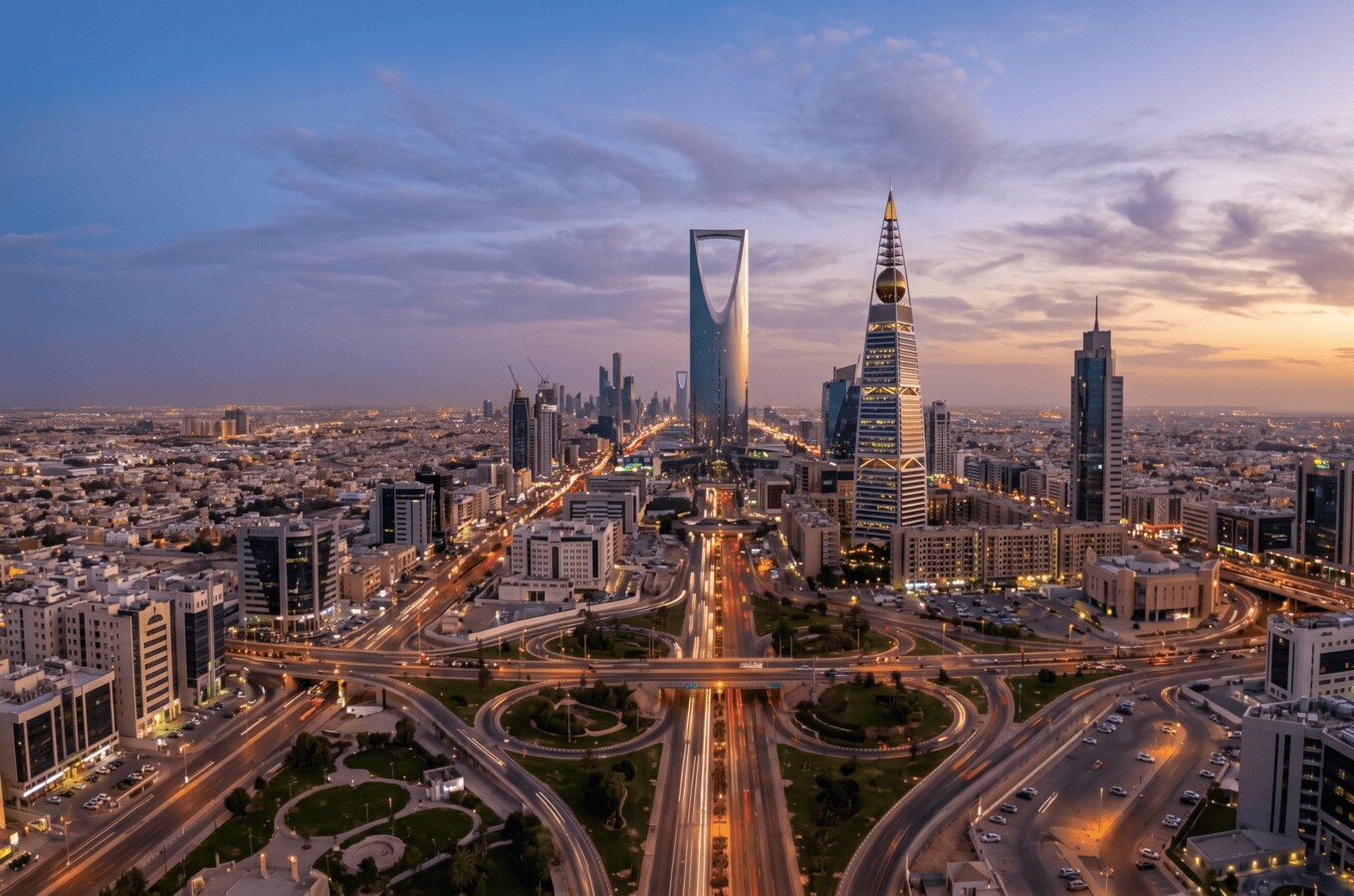
Riyadh currently provides one of the strongest examples of international business growth meeting limited property supply.
CBRE reported 98% Grade A office occupancy in Q1 2026. Its research described a structural shortage of premium office space and linked underlying demand partly to international companies operating under Saudi Arabia’s Regional Headquarters programme.
The Ministry of Investment reported in August that more than 750 companies had joined the RHQ programme, already exceeding its original target of 500 companies by 2030.
Office demand remained strong in Q2. Riyadh’s total office stock exceeded 6 million sq m of gross leasable area, while demand for Grade A space continued to exceed available supply.
Investment
Expansion
Industrial Space
Housing
Retail & Services
Why the Regional Headquarters Programme Matters
The RHQ programme gives the FDI story a direct real estate dimension. A multinational company establishing a regional headquarters requires suitable office space. Many businesses also need meeting facilities, flexible offices and accommodation for relocating employees.
That demand is concentrated around established business districts and modern developments with transport access and supporting amenities.

For investors, proximity to employment centres therefore matters as much as city-wide economic growth.
Office assets near major corporate clusters can behave very differently from older or less connected commercial stock.
Industrial and Logistics Property Is Another Segment to Watch
The effect of economic diversification extends beyond offices.
CBRE reported continued demand for modern warehousing and logistics facilities in Q2 2026. Manufacturing localisation, e-commerce and transport infrastructure were supporting occupier requirements, while limited availability of high-quality space contributed to rental growth in key Riyadh and Jeddah industrial submarkets.
That creates another real-estate angle for international investment.
Manufacturers and distributors entering Saudi Arabia can require:
- Warehouses
- Distribution centres
- Industrial land
- Production facilities
- Cold-storage space
- Last-mile logistics hubs
Property demand therefore depends partly on the type of foreign investment entering the Kingdom.
A financial-services company may primarily affect Riyadh’s office market. A manufacturing or distribution investment can have a larger impact on industrial and logistics property.
Could Foreign Investment Support Residential Demand?
Residential property can also benefit indirectly. Businesses expanding in Saudi Arabia employ people who need somewhere to live. International executives and skilled workers may create additional demand for apartments, villas and serviced residences around employment centres.
However, the connection should be treated carefully.
The SAR 159 billion FDI figure is an economy-wide measure. It does not represent SAR 159 billion invested in real estate, and it does not tell us how many workers relocated or how much housing demand each investment created.

For residential investors, local indicators remain more useful. Rental demand, housing supply, property prices and proximity to employment should still guide individual investment decisions.
Bayut-KSA’s Saudi property prices Q3 2026 analysis can help investors compare current residential pricing trends.
Foreign Ownership Reform Creates a Second Route for International Demand
Foreign businesses occupying property are only one part of the investment picture. Saudi Arabia’s updated non-Saudi property ownership framework also expanded the routes through which qualifying international individuals and entities can own real estate in designated areas.
CBRE identified the regulatory change as an important development for international participation in residential, commercial and industrial property markets.
That creates two distinct sources of foreign-related property demand. The first comes from companies that lease or occupy property as part of their operations.
The second comes from international buyers who acquire property directly under the applicable ownership framework. Investors should therefore monitor both corporate occupier activity and direct foreign ownership as the market develops.
Which Property Segments Could Benefit Most?
Different segments have different exposure to international investment.
What Should Property Investors Watch Next?
The FDI headline alone should not determine a property purchase.
Investors need to identify where economic activity is creating sustained occupier demand.
Useful indicators include:
- Grade A office occupancy
- New regional headquarters
- Industrial leasing activity
- Logistics rental growth
- Employment creation
- Residential rental demand
- Future property supply
- Infrastructure development
An area with rising business activity and limited suitable property supply may provide stronger fundamentals than a market where new construction is already exceeding demand.
Bayut-KSA’s Saudi real estate outlook 2026 provides a broader view of the forces shaping the property market.
Saudi FDI Growth Adds Another Demand Driver for Real Estate
Saudi Arabia’s foreign investment numbers provide a positive economic backdrop for the property market.
FDI inflows reached SAR 159 billion in 2025, up 33.5%, while total FDI stock exceeded SAR 1 trillion. More than 750 companies have also joined the Regional Headquarters programme.
The real-estate effect is already clearest in Riyadh’s office market, where Grade A occupancy remains around 98%. Industrial and logistics property is also recording strong demand amid limited availability of high-quality space.
For investors, the important question is no longer simply whether foreign investment is rising.
The more useful question is where that investment is creating durable demand for property.
Frequently Asked Questions
How much FDI did Saudi Arabia attract in 2025?
Saudi Arabia attracted approximately SAR 159 billion in foreign direct investment during 2025, up 33.5% from the previous year.
Is SAR 159 billion the FDI figure for 2026?
No. The SAR 159 billion figure covers 2025. The data was announced by the Saudi Press Agency on 3 November 2026.
What is Saudi Arabia’s total FDI stock?
Saudi Arabia’s FDI stock reached approximately SAR 1.059 trillion at the end of 2025, an increase of 8.3% year on year.
How many companies have joined the Saudi Regional Headquarters programme?
The Ministry of Investment reported in August 2026 that more than 750 companies had joined the programme.
Is foreign investment increasing office demand in Riyadh?
Corporate expansion is one of the factors supporting office demand. CBRE reported approximately 98% Grade A office occupancy in Riyadh in Q1 2026 and continued demand exceeding available premium supply.
Does rising FDI mean Saudi property prices will increase?
Not necessarily. Property prices depend on local supply, financing, demand, location and property type. FDI can support occupier demand in some markets, but the effect varies considerably between sectors and locations.



 as a preferred source on Google