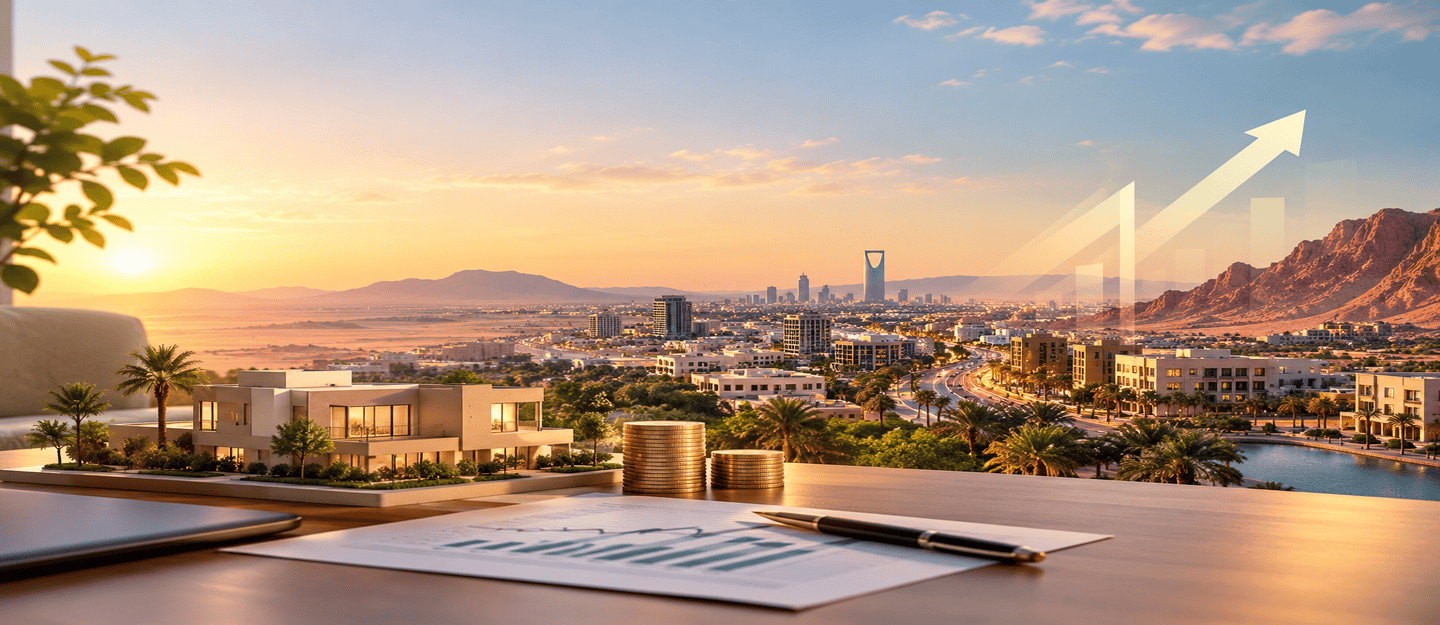
Are you looking for promising property investments beyond Riyadh and Jeddah? Several Saudi secondary cities are attracting investors thanks to growing tourism, infrastructure development, and expanding economic activities. Continue reading to explore Real Estate Investment Opportunities in Saudi Secondary Cities, discover the most promising locations, and understand the benefits and risks of investing in these emerging markets.
Benefits of Investing in Secondary Cities
Investing in secondary cities can offer several advantages for those looking beyond established property markets.
1. More Accessible Property Prices
Some secondary cities offer relatively affordable property prices compared with major metropolitan areas, allowing investors to explore different property types with varying budgets.
2. Infrastructure Development
New roads, commercial centres, public facilities, and urban development projects
can improve accessibility and support property demand.
3. Growing Tourism Sector
Tourism destinations such as Abha and AlUla create opportunities for hotels, serviced apartments, holiday homes, and retail properties.
4. Diverse Investment Opportunities
Investors can explore residential, commercial, industrial, and hospitality properties depending on each city’s economic activities and local demand.
5. Long-Term Growth Potential
Growing business activities, employment opportunities, and population demand may support long-term property market development.
Top Promising Secondary Cities

Several Saudi cities offer different investment opportunities based on their economic strengths and development priorities:

1. Abha
Abha is an attractive tourism destination thanks to its pleasant climate, mountain scenery, and cultural attractions. The Aseer Development Strategy aims to strengthen tourism and improve infrastructure across the region.
Potential opportunities:
- Holiday homes and furnished apartments.
- Hotels and hospitality properties.
- Residential developments.
- Retail and recreational facilities.
2. AlUla
AlUla is gaining international attention for its historical sites, natural landscapes, and cultural tourism. Ongoing development initiatives are supporting its transformation into a major tourism destination.
Potential opportunities:
- Boutique hotels and resorts.
- Serviced apartments.
- Tourism-related retail spaces.
- Hospitality developments.
3. Tabuk
Tabuk benefits from its strategic location in northwestern Saudi Arabia and its connection to major regional development projects, including NEOM and the Red Sea destination.
Potential opportunities:
- Residential apartments.
- Commercial properties.
- Warehouses and logistics facilities.
- Hospitality developments.
4. Buraidah
As the capital of Al Qassim Region, Buraidah has an established agricultural and commercial economy. Its regional importance supports demand for residential and business-related properties.
Potential opportunities:
- Family housing.
- Retail shops and commercial centres.
- Warehouses and distribution facilities.
- Commercial offices.
5. Jazan
Jazan’s coastal location and growing industrial activities make it an interesting market for investors. Industrial and logistics developments may support demand for accommodation and commercial facilities.

Potential opportunities:
- Industrial warehouses.
- Residential properties.
- Commercial spaces.
- Logistics-related facilities.
Comparing Investment Opportunities in Saudi Secondary Cities
The following table compares the main growth drivers and potential real estate investment opportunities in each city, helping investors identify markets that align with their investment goals:
City | Main growth driver | Potential investments |
|---|---|---|
City Abha | Main growth driver Tourism | Potential investments Hotels and holiday homes |
City AlUla | Main growth driver Cultural tourism | Potential investments Resorts and serviced apartments |
City Tabuk | Main growth driver Regional development | Potential investments Housing and logistics |
City Buraidah | Main growth driver Agriculture and trade | Potential investments Residential and commercial |
City Jazan | Main growth driver Industry and logistics | Potential investments Warehouses and housing |
How to Evaluate Real Estate Investment Opportunities
Before purchasing a property, investors should consider several factors:
- Local demand: Research housing, rental, and commercial property demand.
- Rental returns: Calculate potential rental income against the purchase price and operating expenses.
- Location: Prioritise properties near essential services, business districts, and transport networks.
- Infrastructure: Examine existing facilities and planned development projects.
- Legal requirements: Verify ownership documents, property licences, and applicable regulations.
Also Read: New Investment Opportunities in Northern Borders Region
Risks and Challenges to Consider When Investing in Real Estate in Saudi Secondary Cities
Despite their potential, emerging markets involve risks that investors should evaluate carefully:
1. Limited Market Liquidity
Some secondary cities have fewer property transactions, which may make selling an investment property more challenging.
2. Uncertain Rental Demand
Rental demand can vary depending on local employment, tourism seasons, and population growth.
3. Development Delays
Delays in major infrastructure projects may affect expected property demand and investment timelines.
4. Property Management
Managing properties from another city can involve additional costs and operational challenges.
5. Neighbourhood Differences
Property values and rental demand can vary significantly between neighbourhoods, even within the same city.
Frequently Asked Questions
Here are some of the most frequently asked questions about Real Estate Investment Opportunities in Saudi Secondary Cities:
Abha, AlUla, Tabuk, Buraidah, and Jazan offer opportunities driven by tourism, industry, infrastructure, and commercial development.
It can offer portfolio diversification and access to emerging markets, provided investors carefully assess local demand and property prices.
Residential apartments, villas, commercial spaces, warehouses, hotels, and serviced apartments are among the available options.
Key risks include limited liquidity, fluctuating rental demand, development delays, and property management costs.
By comparing transaction prices, rental yields, local demand, infrastructure, and the property’s legal documentation.
This brings us to the end of our article, where we discussed Real Estate Investment Opportunities in Saudi Secondary Cities, explored promising investment locations, and highlighted the benefits and challenges of entering these markets. For more real estate insights, property guides, and the latest market updates, we invite you to visit Bayut Blog.




 as a preferred source on Google