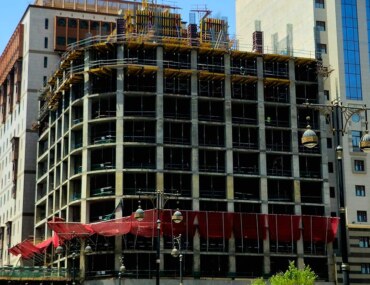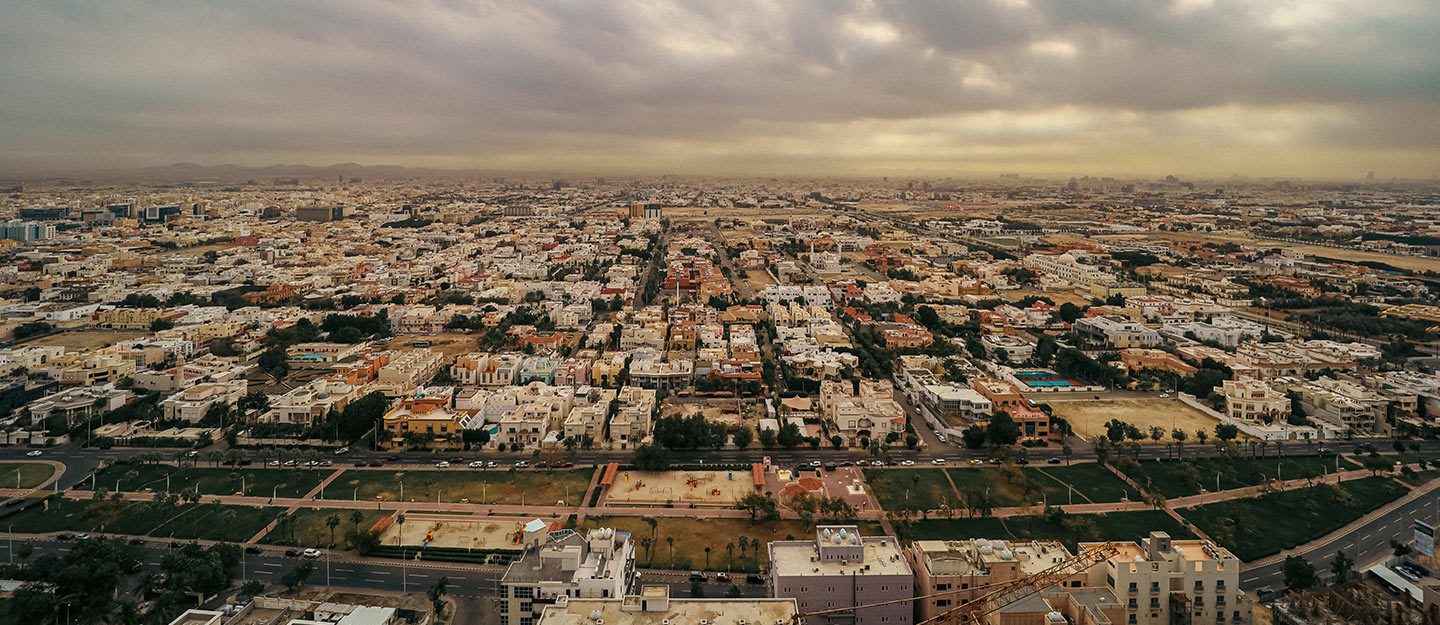
The Musataha Right in Saudi Arabia is one of the most interesting and practical legal tools in the Kingdom’s real estate system. It allows individuals, companies, or developers to use and develop land they do not own for a specific period—typically up to 50 years—while retaining full ownership of what they build.
This framework has become a cornerstone of Saudi Arabia’s property development scene, especially as the Kingdom continues to open its real estate market to local and international investors. From commercial hubs to mixed-use projects, the Musataha Right in Saudi Arabia ensures flexibility, opportunity, and security for investors and landowners alike.
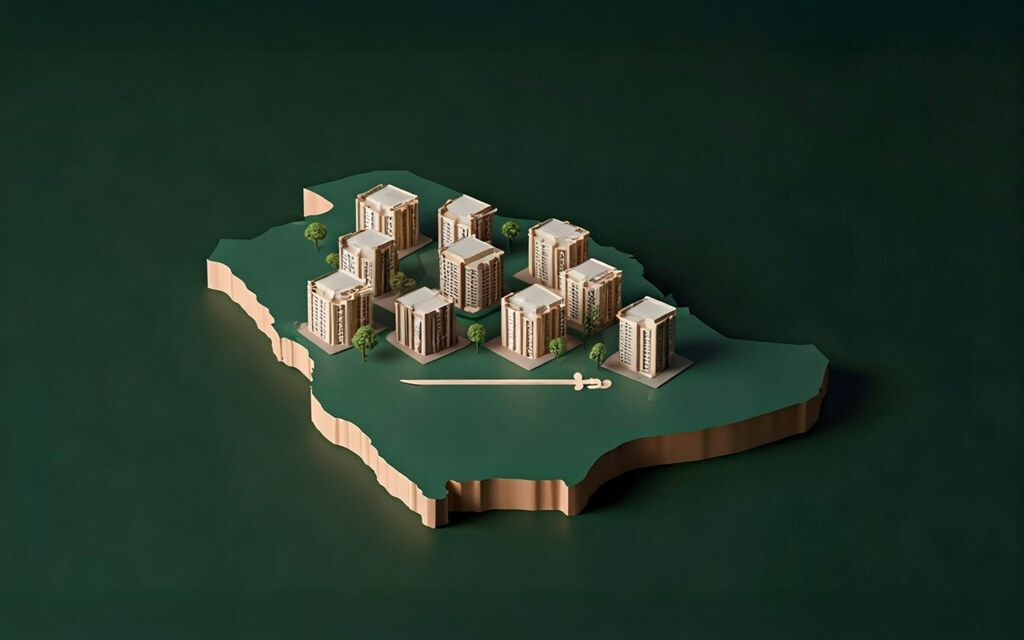
What Is the Musataha Right in Saudi Arabia ?
To put it simply, the Musataha Right in Saudi Arabia grants a person the right to construct, use, and own buildings or projects on someone else’s land for a defined period. Once the agreed term ends, the ownership of the land and the built structures can revert to the original landowner unless the contract is renewed.
This system is vital for major developments such as industrial complexes, shopping centers, or housing projects that require large spaces and long-term investments. It strikes a perfect balance between private development and public land ownership.

Read also: Vacancy Rate in Real Estate Investment : What It Is and Why It Matters.
Why Is the Musataha Right Important in Saudi Arabia?
The Musataha framework plays a key role in promoting investment while maintaining the Kingdom’s legal and cultural values. It encourages developers to engage in long-term projects without needing to buy land outright, which reduces costs and supports sustainable growth.
For government and municipal lands, this model has become a driver for innovation and economic diversification. The Musataha Right in Saudi Arabia directly supports Vision 2030 by creating new opportunities for real estate, tourism, and urban development projects.
What Are Some Examples of the Musataha Right in Saudi Arabia ?
You’ll find the Musataha Right in Saudi Arabia in action across multiple sectors. For example:

- Commercial Projects: Large malls or office complexes built under Musataha agreements on leased government land.
- Tourism Developments: Resorts or recreational areas established under long-term Musataha contracts.
- Industrial Zones: Factories and warehouses that utilize this right to expand operations efficiently.
This system benefits both developers and the state—developers enjoy investment stability, while the government ensures land is put to productive use.
What Is the Real Estate Ownership System Project in Saudi Arabia?
The Real Estate Ownership System Project complements the Musataha framework by standardizing property rights, regulations, and land use across the Kingdom. This project ensures transparency and legal clarity, supporting developers and investors who depend on the Musataha Right in Saudi Arabia for long-term ventures.
Together, these initiatives build a more dynamic and investor-friendly environment, driving sustainable urban growth nationwide. Read more about investment on Invest Saudi.
You may also like: Real Estate Analysis in Saudi Arabia : Metrics Every Smart Investor Should Know.
The Future of Real Estate Under the Musataha Right in Saudi Arabia
With Saudi Arabia’s real estate market rapidly evolving, the Musataha Right in Saudi Arabia is expected to remain a key mechanism for future projects. It bridges the gap between land ownership and investment potential—empowering growth while ensuring compliance with local regulations.
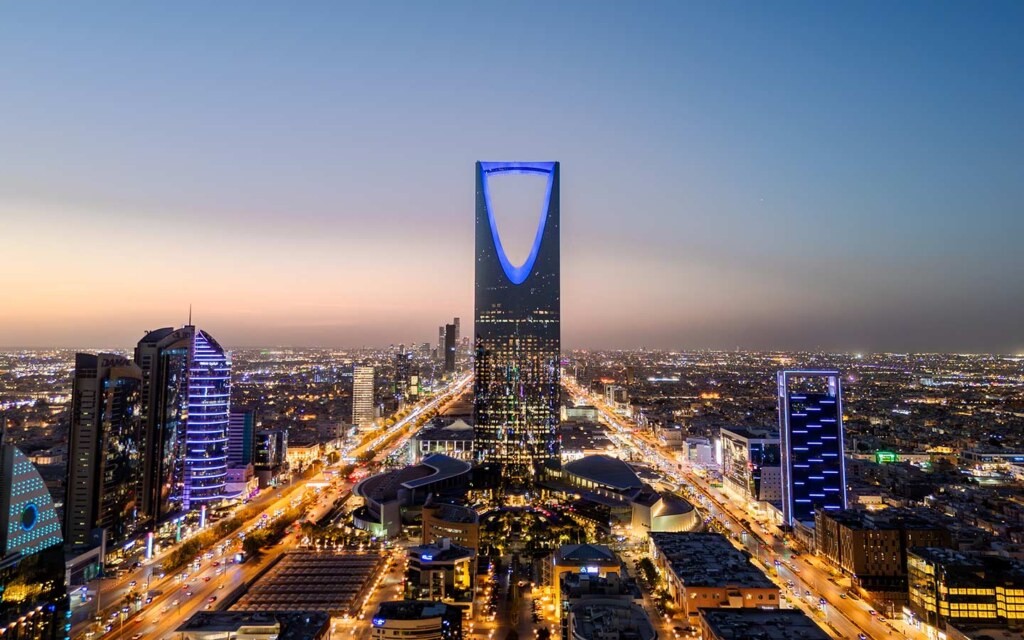
Building the Future, One Musataha at a Time
The Musataha Right in Saudi Arabia is a practical gateway to progress. It enables collaboration between landowners and investors, boosts economic activity, and supports the Kingdom’s bold vision for development. As the nation continues to modernize, Musataha will remain a cornerstone of its thriving real estate sector.
For more insights on the Saudi real estate market, career opportunities, and industry updates, visit My Bayut Saudi Blog and follow us on social media for the latest trends.