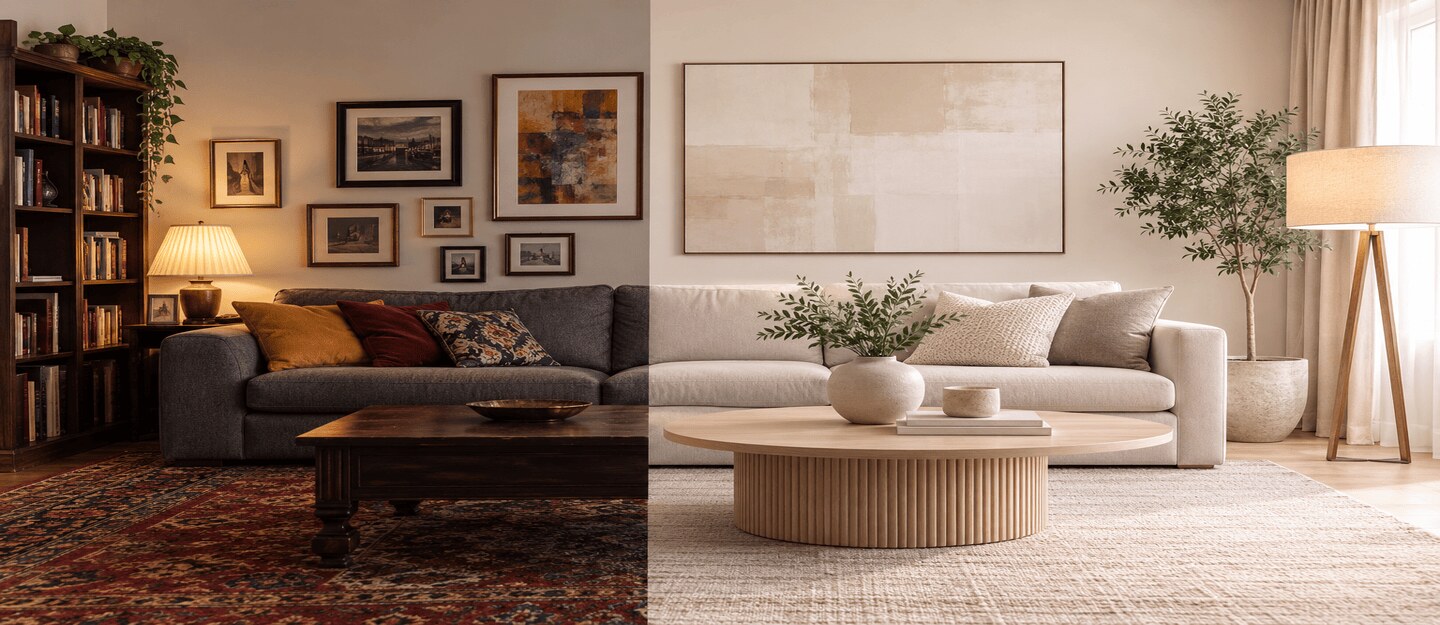
Are you making the Most Common Mistakes in Home Design without realizing it? Even small design decisions can affect your home’s comfort, functionality, and long term value. Keep reading to learn about the most common home design mistakes, how to avoid them, and the best practices for creating a well planned home.
What Are the Most Common Mistakes in Home Design?
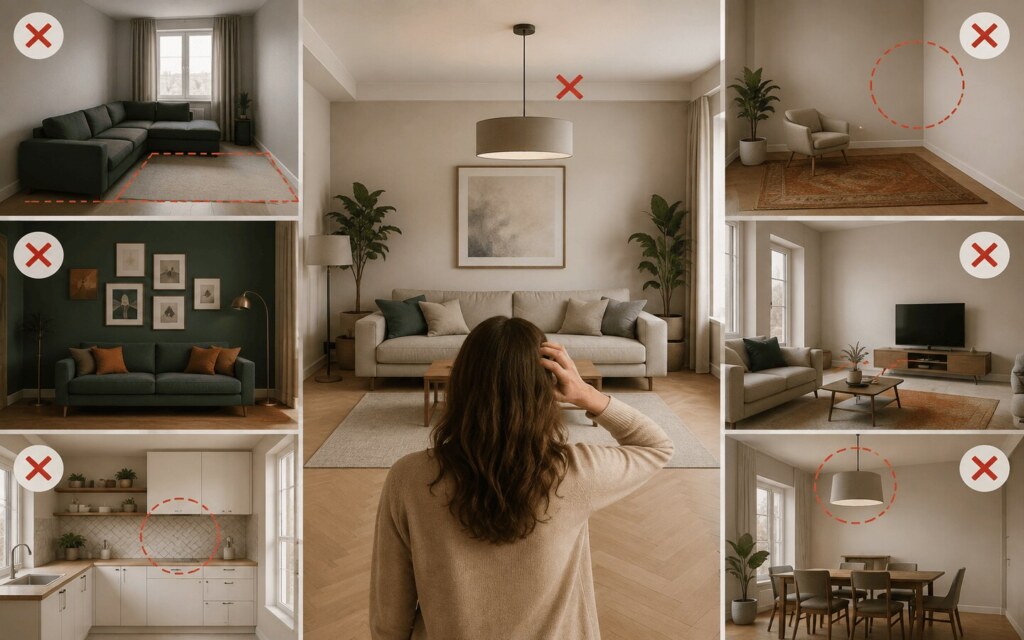
The Most Common Mistakes in Home Design are design decisions that negatively affect the comfort, functionality, efficiency, or long term value of a home. While some mistakes may appear minor during the planning stage, they often become costly and difficult to correct after construction or renovation is complete.
Before starting any home design project, it is important to understand the mistakes that professionals frequently encounter and learn how to avoid them.
Poor Space Planning
One of the biggest mistakes homeowners make is failing to plan the available space efficiently. Rooms that are either overcrowded with furniture or left too empty can feel uncomfortable and impractical. Proper space planning begins by identifying how each room will be used. Every piece of furniture should have a purpose while maintaining enough walking space for comfortable movement.
For example, placing a large sectional sofa inside a small living room may block natural movement, while positioning furniture too far apart can make conversations less comfortable.
Ignoring Sun Orientation
Natural sunlight plays a major role in creating comfortable and energy efficient homes. Ignoring the direction of the sun often results in overheated rooms, insufficient daylight, or higher cooling costs.
When designing your home, consider the orientation of each room. Living rooms and family areas benefit from abundant natural light, while bedrooms may require softer morning or evening sunlight depending on your preferences.
For example, installing large west facing windows without proper shading can cause excessive indoor heat during summer afternoons.

Also Read: How to Choose the Right Home for Your Family ?
Inadequate Lighting Design
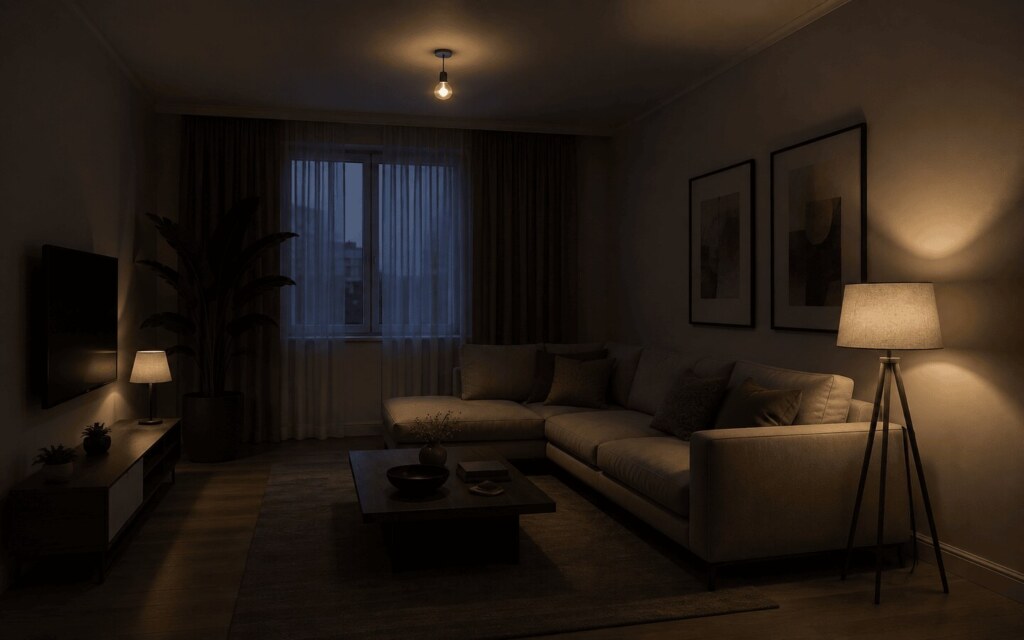
Lighting has the power to transform the atmosphere of any room. Relying on a single ceiling light often creates dark corners and uneven illumination. Professional designers recommend using layered lighting that combines general lighting, task lighting, and accent lighting. This approach improves both functionality and visual appeal.
For example, a kitchen should include ceiling lighting for overall brightness, under cabinet lighting for food preparation, and pendant lights above the island for both style and functionality.
Poor Furniture Planning
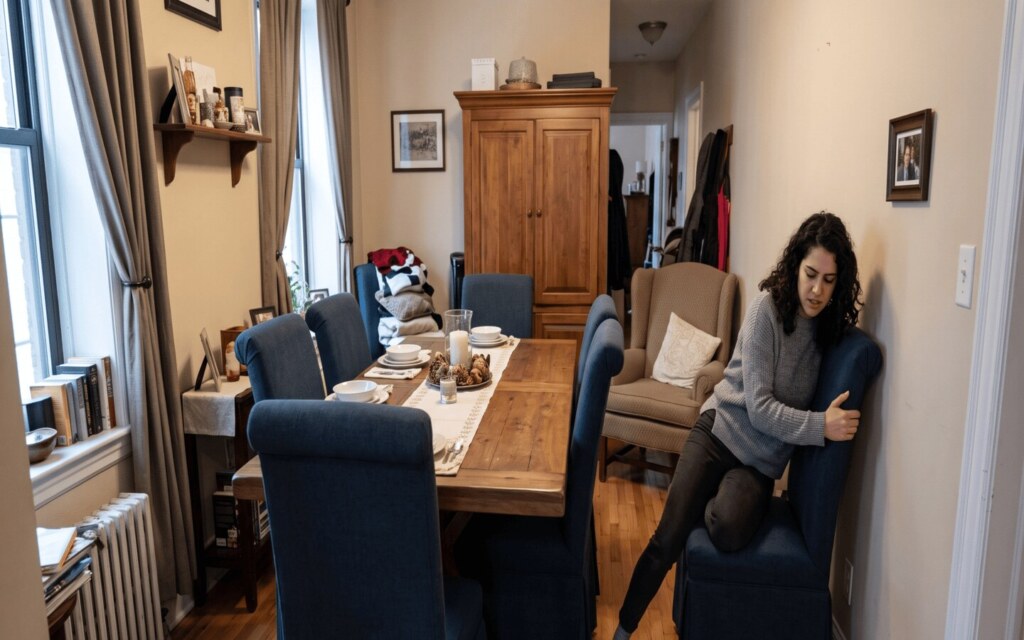
Buying furniture before measuring the available space is another common issue in the Most Common Mistakes in Home Design. Furniture should fit the room proportionally while leaving enough clearance for movement. Designers generally recommend maintaining at least 60 centimeters of walking space between major furniture pieces.
For example, oversized dining chairs placed too close to the wall may prevent people from sitting comfortably or moving around the table.
Following Trends Without a Timeless Style
Interior design trends constantly evolve, making it tempting to redesign entire rooms based on what is currently popular. Instead of relying entirely on trends, establish a timeless design foundation using neutral colors and classic finishes. Trendy accessories such as cushions, artwork, rugs, or decorative lighting can easily be updated over time.
For example, choosing a neutral living room and adding seasonal decorative accents allows your space to stay modern without requiring expensive renovations.
Overlooking Material Performance
Selecting materials based only on appearance or price often leads to faster wear and higher maintenance costs. Each material should be selected according to its intended use. Moisture resistant surfaces are ideal for bathrooms, while durable flooring is better suited for busy family spaces.
For example, installing porcelain flooring in wet areas provides better durability and easier maintenance than materials that absorb moisture.

Lack of Sufficient Storage
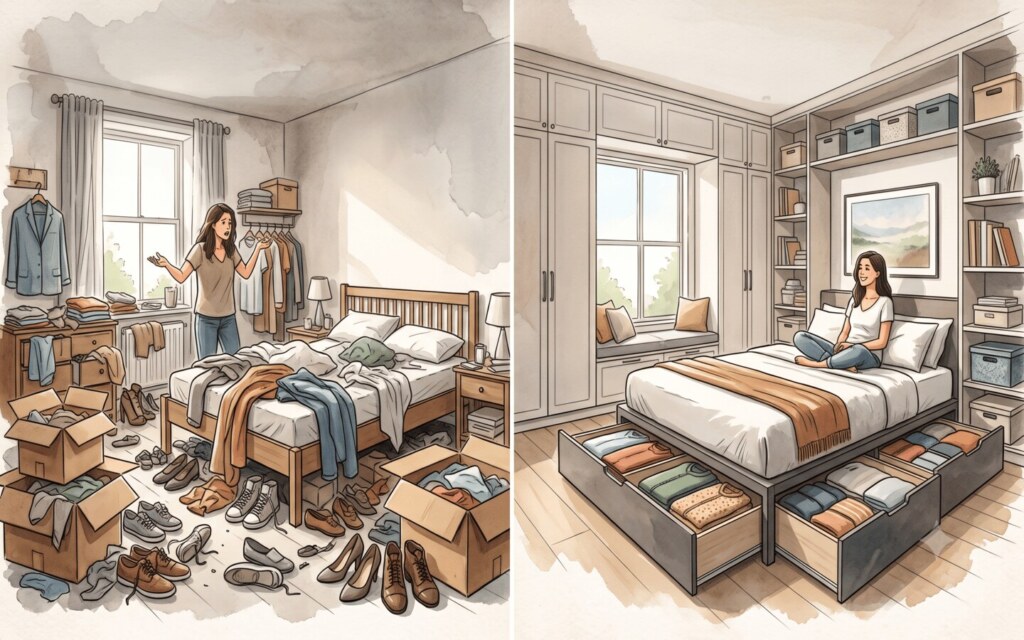
Storage is frequently underestimated during home design, resulting in cluttered and disorganized spaces. Built in cabinets, multifunctional furniture, and smart shelving solutions help maximize every square meter while keeping rooms clean and organized.
For example, a bed with integrated storage drawers offers additional space for seasonal clothing without occupying extra floor area.
Choosing the Wrong Color Palette
Color has a significant impact on how spacious and inviting a room feels. Using too many bold colors or poorly coordinated shades can create visual imbalance. A balanced palette usually combines neutral tones with carefully selected accent colors that reflect the homeowner’s personality.
For example, soft beige walls paired with wooden furniture and green decorative plants create a warm and welcoming atmosphere.
Also Read: What is the Real Estate Bubble ?
Prioritizing Appearance Over Functionality
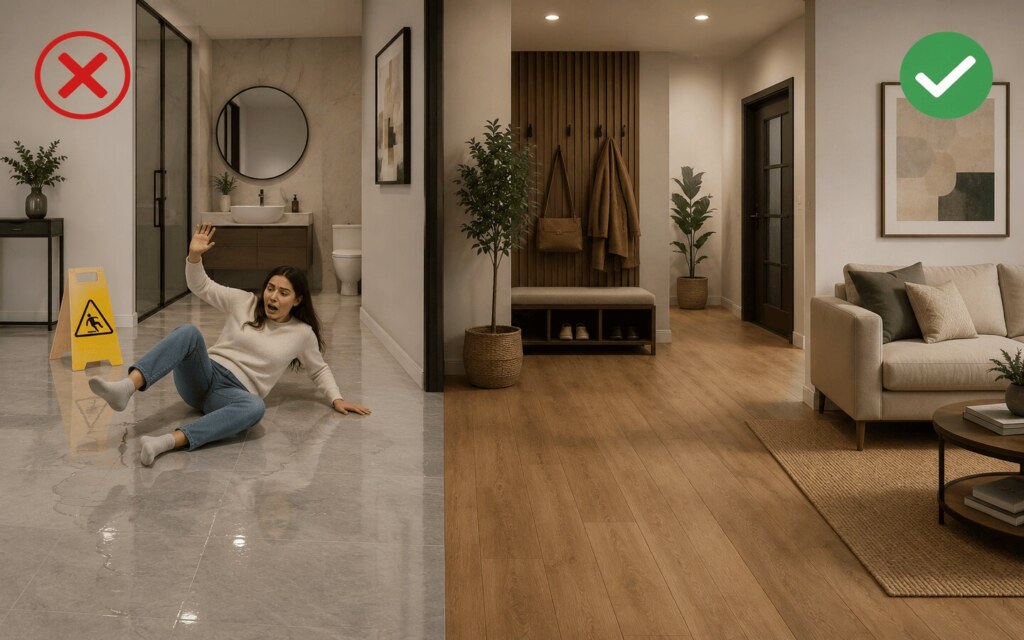
Many homeowners choose furniture or finishes simply because they look beautiful without considering how they will be used daily. Every design decision should begin with the room’s purpose. High traffic areas require durable materials that are easy to clean and maintain, while decorative features should complement daily living rather than interfere with it.
For example, glossy flooring may look elegant but can become slippery in bathrooms or entryways where safety is essential.
Neglecting Future Needs
Many homeowners focus only on their current lifestyle without considering future changes such as growing families, aging in place, or changing work habits. Flexible layouts and adaptable furniture allow homes to evolve over time without requiring major renovations.
For example, a guest room can be designed to function as a home office today and a children’s bedroom in the future.
Frequently Asked Questions
Here are some of the most frequently asked questions about the Most Common Mistakes in Home Design and how to avoid them:
Poor space planning is considered one of the most significant mistakes because it affects comfort, movement, furniture placement, and the overall functionality of the home.
Good lighting enhances comfort, highlights architectural features, improves visibility for daily activities, and creates a welcoming atmosphere throughout the home.
Start with a detailed floor plan, prioritize functionality, choose durable materials, measure furniture carefully, and think about your long term needs before making design decisions.
Trends can add personality to your home, but they should complement a timeless design foundation rather than define the entire space.
Proper sun orientation improves natural lighting, reduces energy consumption, enhances indoor comfort, and helps create healthier living environments.
Here we come to the end of our article about the Most Common Mistakes in Home Design, where we discussed the most common design errors, including poor space planning, ignoring sun orientation, inadequate lighting, poor furniture planning, overlooking material performance, and several practical strategies to avoid them. We invite you to visit Bayut Blog for more expert home design tips, real estate insights, and the latest property related guides.




 as a preferred source on Google