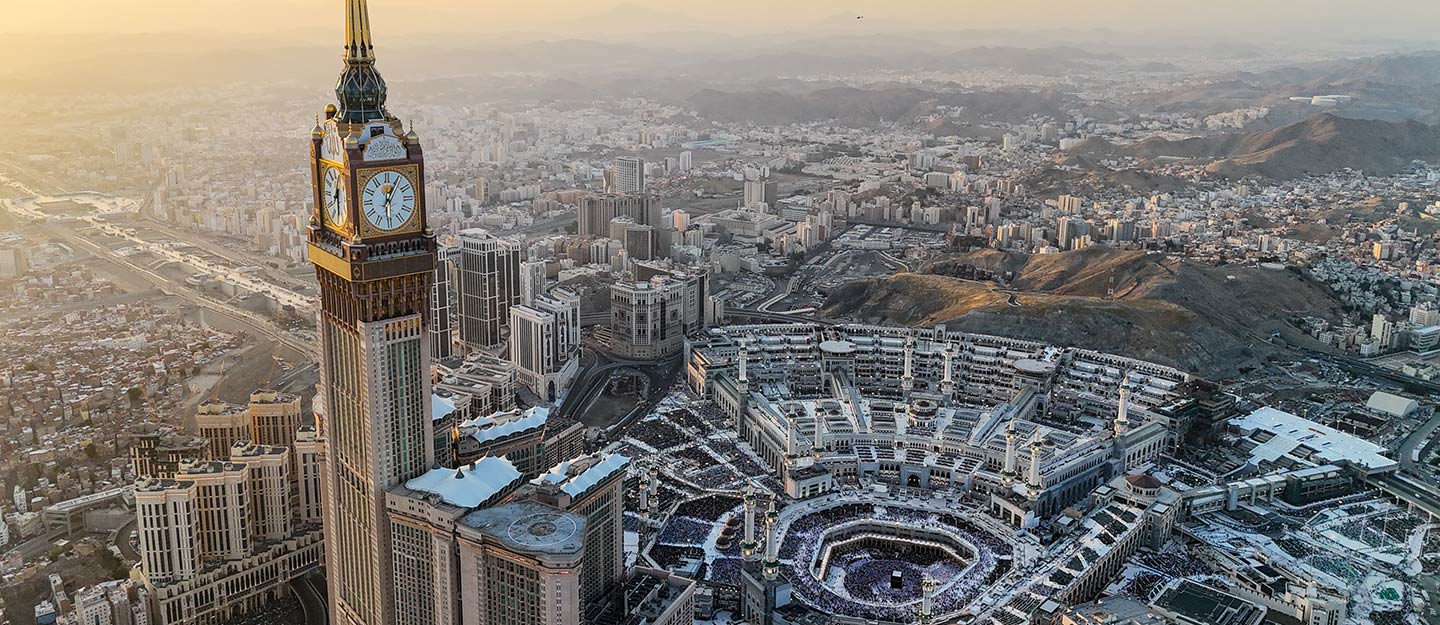
Saudi Arabia’s property market has moved into a slower and more selective phase, but that should not be confused with a broad fall in property values. As of October 2026, the latest national residential price data remains positive, even though fewer transactions are taking place and buyers are becoming more careful about what they purchase.
Rather than moving in one direction, the market is now separating by property type and location. Apartments and residential land have remained relatively resilient, while villas have faced greater pressure. For investors, that makes the individual property more important than the national headline.
Saudi Residential Prices Are Still Positive
The latest available figures provide a clearer picture than transaction headlines alone. Saudi Arabia’s national residential price index increased 2.6% year on year in Q2 2026, according to CBRE’s Saudi Arabia Real Estate Market Review. Residential land values rose 6.3%, while apartment values increased 1.1%.
Villas moved differently, with values declining 9.7% year on year as buyer demand shifted towards smaller and more affordable homes. This does not point to one market-wide direction. Instead, affordability and property type are becoming more important in determining performance.
The clearest signals are these.

- Residential values remain positive overall
- Land has recorded stronger price growth
- Apartments have remained comparatively resilient
- Villas have faced greater downward pressure
- Different property types are increasingly moving at different speeds
For a broader view, Bayut-KSA’s Saudi Real Estate Market Outlook 2026 explains how the wider market is changing.
Transaction Activity Has Slowed
Where the market has clearly cooled is transaction activity. Residential deal volumes across apartments, villas and land declined 14% year on year in Q2, while transaction values fell 27% to almost SAR 38 billion. More than 41,000 residential transactions were still recorded during the quarter.
Fewer transactions do not automatically mean falling prices. Deal activity measures how frequently properties are changing hands, while a price index tracks how values are moving.
For buyers, that difference matters. A slower market can provide more time to compare asking prices, expected rents and alternative properties before committing capital.
Riyadh Still Has Strong Demand Drivers
The slowdown has not removed investor interest from Saudi Arabia’s major cities. In Knight Frank’s Destination Saudi 2026 research, 55% of surveyed global investors selected Riyadh as a preferred Saudi investment destination, followed by Jeddah at 46%.
Knight Frank also identified around USD 6.3 billion in potential private global capital interested in Saudi real estate over the longer term, including approximately USD 1.5 billion targeting residential purchases. Riyadh apartment values had also increased 10.5% during 2025, while villa values had risen 6.5%.

Future price growth is never guaranteed, but these figures show why lower transaction volumes should not automatically be read as disappearing demand.
A More Selective Market Changes How Investors Should Buy
During periods of rapid appreciation, buyers can feel pressure to enter the market quickly. Once activity slows, however, the quality of the individual investment becomes more important.
Before committing capital, investors should compare
- The asking price against similar properties
- Expected annual rental income
- Service and maintenance costs
- Future housing supply nearby
- Vacancy and tenant demand
- Resale potential
Market value also deserves particular attention. Bayut-KSA’s Saudi property valuation guide explains how asking price, comparable sales and rental potential can be assessed before buying.
Better Data Makes Property Selection Easier
Investors also have more market information available than before. The official REGA Real Estate Indicators Platform provides periodically updated sales and rental indicators across Saudi cities and property types.
For Riyadh, the platform currently displays 13,600 transactions worth SAR 29.1 billion, with residential land shown as the most active property type. This kind of data makes it easier to compare individual markets instead of relying on one national number.
That transparency matters because national averages cannot tell an investor whether one district, building or apartment represents good value. Buyers entering the market for the first time can use Bayut-KSA’s Saudi property investment for beginners guide, while investors focused on income can compare locations through the Riyadh and Jeddah rental yields guide.
Check the entry price
Estimate realistic rent
Choose the right location
What Does This Mean for Buyers in 2026?
Saudi property is not experiencing one uniform decline. The latest national data still shows positive residential price growth, although weaker transaction activity and falling villa values confirm that conditions have become more selective.
For investors, this can create a healthier buying environment. Instead of relying on broad market momentum, stronger decisions can now be built around entry price, rental demand, property type and location.
Opportunities remain, but finding them requires more comparison than before.





 as a preferred source on Google