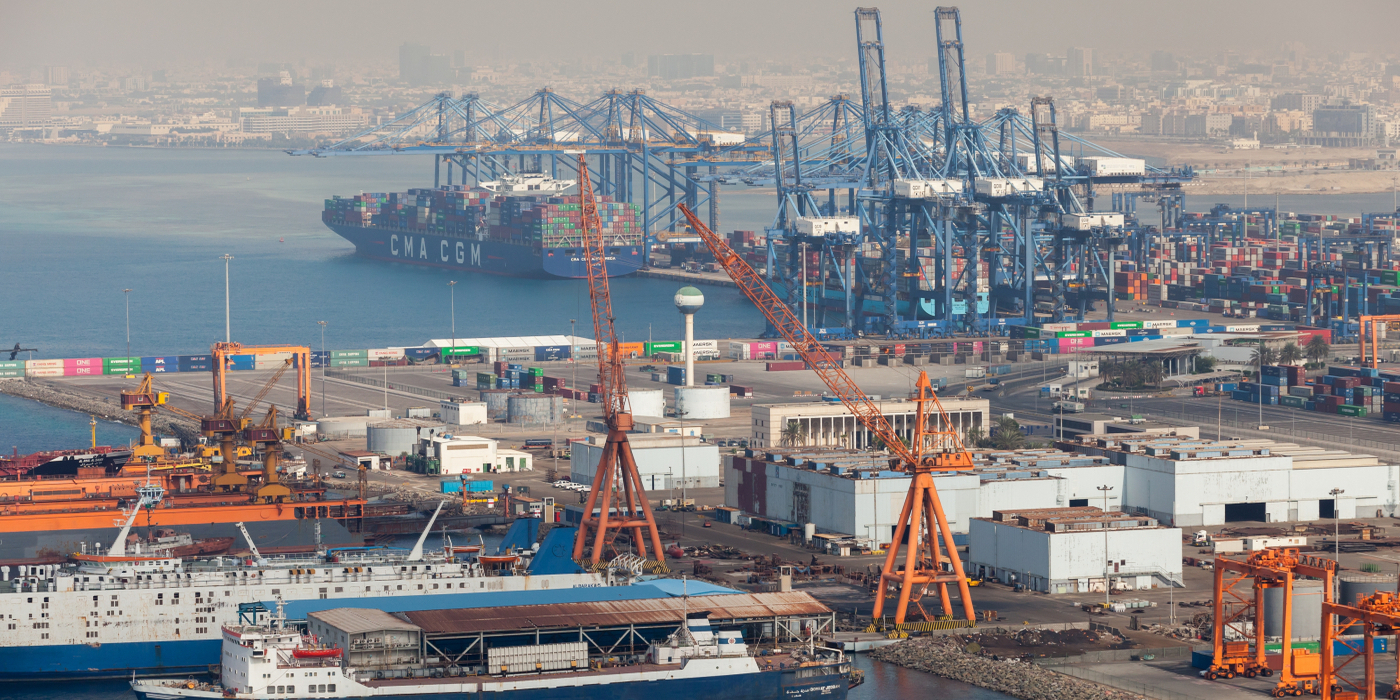
Anyone tracking industrial land in Dammam has noticed the change. Areas near King Abdulaziz Port no longer feel simply well-located; they are also becoming strategic. Trucks move faster, warehousing demand has become more intentional, and investors are asking sharper questions.
This shift did not happen by chance. The logistics zone in Dammam has moved from planning to execution. Major agreements are now in place. Construction is underway. Port capacity continues to expand. Logistics is no longer a background function. It is actively reshaping how industrial real estate in the Eastern Province is valued, developed, and positioned.
Why Dammam Needed a Logistics Zone
The logistics zone in Dammam is not just about “more warehouses near the port.” It is a purpose-built logistics district developed at King Abdulaziz Port, under the supervision of the Saudi Ports Authority (Mawani).
What makes it different is how functions are combined in one place:
- Port-adjacent storage and distribution
- Customs and clearance services inside the zone
- Space for logistics operators, freight forwarders, and value-added services
- Direct road access without passing through residential areas
From a planning perspective, this reduces friction between the port and the city.

Zone Size and Land Planning
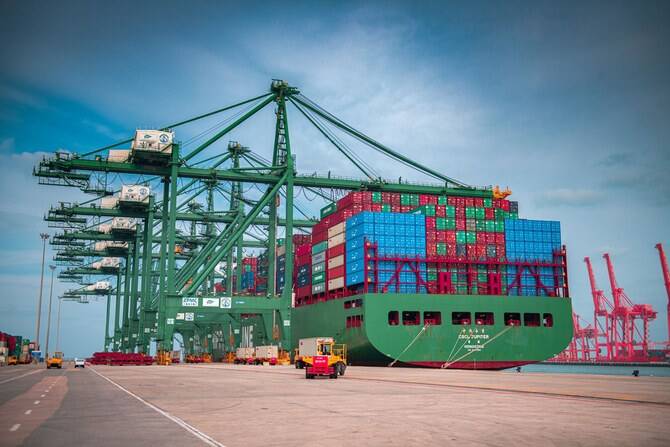
The area of the logistics zone in Dammam has been planned to support large, modern facilities, not small, fragmented plots. This matters because today’s logistics operators require:
- High-clearance warehouses
- Large turning radii for trucks
- Expansion flexibility over time
For real estate developers, this scale changes the type of tenants the city can attract. It favors:
- Regional distribution centers
- International logistics firms
- Long-term industrial leases
Also read about logistics in Saudi Arabia with Bayut.sa.
Capacity of the Logistics Zone in Dammam
The capacity of the logistics zone in Dammam is designed around throughput, not just space. In practical terms, this means:
- Handling higher cargo volumes without delays
- Supporting multiple operators at once
- Reducing dwell time for containers
Higher capacity at the port level often leads to secondary demand:

- Off-site storage
- Supporting logistics parks
- Worker accommodation and services
This is where real estate demand starts to spread outward.
Investment Value
The investment value of the logistics zone in Dammam is strongest for one reason: It is tied to non-discretionary demand.
For investors, this translates into:
- Stable, long-term tenants
- Lower vacancy risk compared to speculative industrial sites
- Strong linkage to national trade policy
Unlike residential trends, infrastructure drives logistics demand here.
The Role of Saudi Ports Authority (Mawani)
The involvement of the Saudi Ports Authority (Mawani) matters because it removes uncertainty. Mawani controls:
- Port operations
- Land allocation within port zones
- Regulatory frameworks for logistics operators
This creates a clearer development environment for investors and operators. In real estate terms, clarity reduces risk.
Real Estate Outlook: What Changes on the Ground
As logistics activity concentrates near King Abdulaziz Port, the effects are already visible:
- Industrial land near the port gains pricing power
- Demand shifts toward larger, modern warehouse formats
- Older industrial stock becomes less competitive
- Supporting uses offices, services, worker housing, and logistics hubs
Dammam’s industrial map is becoming more defined, not more spread out.
Bayut KSA: Your Partner in Logistics-Led Growth
Major logistics projects often influence property markets before changes appear in listings or prices. Bayut-KSA helps connect logistics and infrastructure developments to real estate trends, giving users clearer insight into where long-term value may emerge.