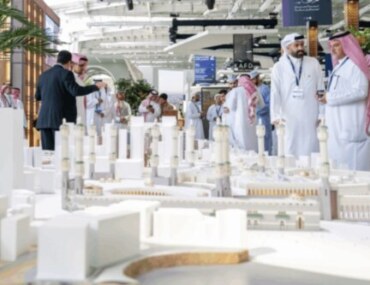
The future of real estate in Saudi Arabia is being shaped by how quickly the market now moves. Planning cycles are shorter, approvals are faster, and projects that once took years to materialise are already under construction. This acceleration is changing how developers build, how buyers decide, and how cities expand, marking a real estate sector defined less by anticipation and more by what is already in motion.
Vision 2030: Recent Milestones
Since the launch of Vision 2030, the real estate sector has shifted from planning to delivery. As of 2024, 93% of national performance indicators have been achieved, reflecting progress across housing, finance, and urban development.
Several milestones highlight this transition:
- Homeownership growth: Homeownership reached 65.4% by the end of 2024, exceeding the original 65% target set for 2025.
- Non-oil GDP growth: Non-oil activities recorded 4.6% growth, supporting broader economic diversification.
- Mortgage market expansion: The mortgage financing portfolio surpassed SAR 900 billion in 2025, strengthening residential demand.
- Foreign ownership reform: A new law, effective January 2026, allows foreign real estate ownership in designated areas.
- Urban planning reform: Riyadh’s unified digital planning system is streamlining approvals and accelerating development timelines.
Together, these reforms continue to improve market accessibility, confidence, and long-term stability.

Broad Market Trends Across the Kingdom
Across Saudi Arabia, several market-wide trends are shaping the future of real estate:
- Price growth: Real estate prices increased by around 3.2%–4.3% year-on-year in recent quarters, indicating steady appreciation.
- Transaction activity: Residential transaction volumes continued to rise, with quarterly growth reaching up to 17.9% in some reports.
- Rising home values: By early 2026, the average home price across major residential segments stood near SAR 1 million, while the average price per square meter reached approximately SAR 5,100.

Overall, these trends point to a market supported by financing availability, policy alignment, and growing demand.
City Highlights
Real estate growth in Saudi Arabia is unfolding at different speeds across cities. Each market reflects its own demand drivers, development priorities, and investment profile. As per GASTAT Jeddah, RIyadh and Dammam illustrate how urban growth is translating into measurable momentum.

Riyadh
Riyadh remains the Kingdom’s largest and most influential real estate market.
- Sales activity: Total sales value reached approximately SAR 17.6 billion in Q3 2025, with around 13,000 transactions completed between July and September.
- Capital appreciation: Apartment prices increased by 6.3% year-on-year, while villa prices rose by 11.6% during 2025.
- Commercial market strength: Office occupancy remains near 98%, and Grade A office rents rose by 15% year-on-year in parts of the city.
- Mortgage growth: Mortgage lending expanded by more than 28% in early 2025.
- Policy response: Due to rising demand and rental pressure, authorities announced a five-year rent freeze in Riyadh.
Also, read about the best investment options in KSA for 2026.
Jeddah
Jeddah continues to show strong momentum, particularly in lifestyle-led and waterfront developments.
- Sales performance: In Q3 2025, residential transactions increased by 10%, while sales values rose by 9%, reaching nearly SAR 8.7 billion.
- Longer-term growth: Over a longer timeframe, residential transaction volumes increased by approximately 66.9%, reflecting sustained demand.
Dammam and the Eastern Province
Meanwhile, Dammam and the Eastern Province are emerging as fast-growing real estate hubs.
- Price growth: Apartment prices increased by around 5.8% year-on-year.
- Average pricing: In 2025, apartment prices averaged about SAR 3,900 per square meter, while villa prices reached roughly SAR 9,500 per square meter.
- Rental returns: Apartments currently deliver yields of 6–7%, while villas generate returns between 5.8% and 6.2%.
What This Means for the Future
Overall, the future of real estate in Saudi Arabia points toward stability, scale, and sustained demand. Price growth remains measured, transaction volumes continue to rise, and urban demand is expanding across multiple cities.
Although each city follows its own trajectory, the broader narrative remains consistent. Demand continues to build, supported by policy reform, demographic growth, and major development programmes. As a result, Saudi Arabia’s real estate market is increasingly defined by execution, data, and visible progress.
Bayut-KSA: Make a Confident Choice
As the real estate market grows in scale and complexity, navigating listings, pricing, and demand becomes more challenging. Bayut-KSA addresses this by providing verified listings, trusted insights, and clear market visibility, helping users make informed property decisions in a fast-growing market.




 as a preferred source on Google