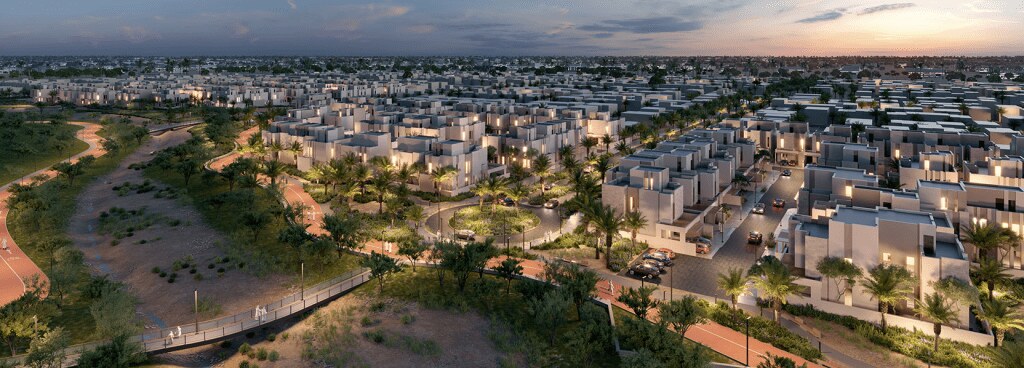
The Saudi Real Estate Market Outlook 2026 is becoming a story of divergence. The market is still moving forward, but not every segment is travelling at the same speed. Residential land is setting the pace, apartments are holding their ground, while villas and commercial property have moved lower. Riyadh remains a heavyweight, Jeddah is following a different rhythm, and new foreign-ownership rules are widening the potential investor pool.
That makes 2026 less about chasing the market and more about reading it properly. The opportunity lies in knowing where demand remains strong, where prices may be running ahead of fundamentals and where a sensible entry point still exists.
Saudi Real Estate Market Outlook 2026: Key Indicators
GASTAT’s Q2 2026 Real Estate Price Index recorded annual growth of 1.3% overall and 2.6% for residential property. Residential land rose 6.3% and apartments gained 1.1%, while villa prices fell 9.7% and commercial property declined 3.2%. The overall index also rose 3.0% from the previous quarter.
Saudi Property Prices Are Splitting by Segment
Looking only at the national index is a little like judging a city from the airport. You get the broad picture, but miss what is happening street by street.
Residential land is the standout performer, rising 6.3% annually. That fits a market where cities are expanding and new communities need plots, infrastructure and serviced land. Apartments are quieter but resilient. Prices increased 1.1%, while villas fell 9.7%.
For investors, that split matters. A rising national market does not rescue the wrong property at the wrong price. Apartments may offer a lower entry point and broader tenant pool in dense urban markets, but the real test is what remains after service charges, vacancy, maintenance and management costs.

A glossy yield on paper is not the same thing as money in your pocket.
Riyadh and Jeddah Are Moving Differently
Riyadh remains the heavyweight. REGA’s current Real Estate Indicators Platform displays around 13,600 transactions worth SAR29.1 billion for Riyadh, with Ar Rimal shown as the most active district and residential land as the most active property type.
The capital benefits from employment growth, corporate expansion, infrastructure investment and a growing pipeline of large residential communities.
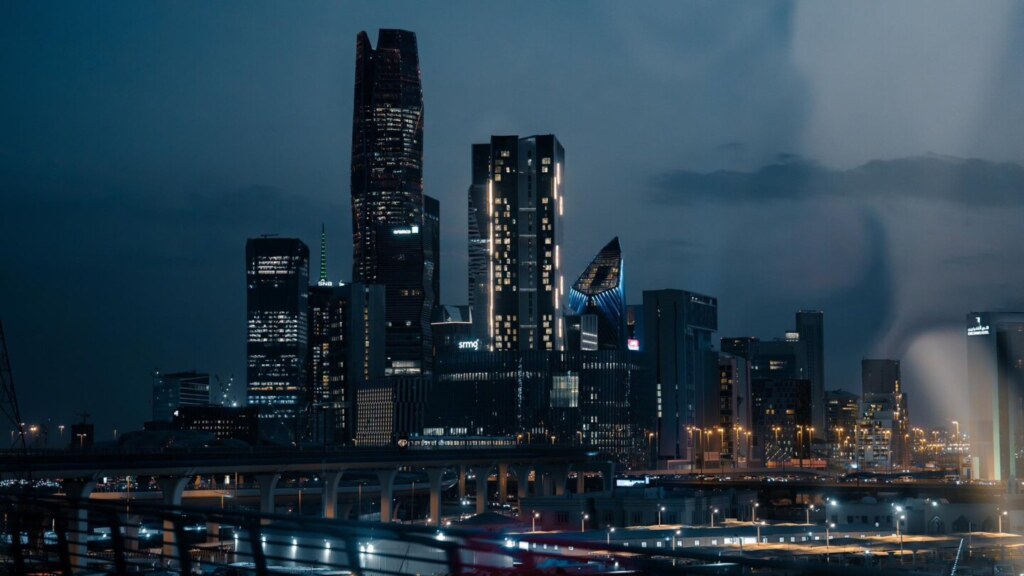
Jeddah is playing a different game. REGA currently displays about 9,200 transactions worth SAR14.3 billion, with As Safa as the most active district and apartments as the most active property type. Its investment story blends established housing demand with commerce, tourism and Red Sea development.
Value: SAR 29.1B
Leading Type: Residential Land
Most Active District: Ar Rimal
Value: SAR 14.3B
Leading Type: Apartments
Most Active District: As Safa
Foreign Ownership and New Supply Are Expanding the Market
One of 2026’s biggest changes is not a price movement at all. It is who can buy.
Saudi Arabia’s updated Real Estate Ownership System for Non-Saudi Nationals entered into force on 22 January 2026. REGA confirms that the service covers residents, non-residents and non-Saudi companies and entities, subject to the applicable legal and geographic controls. Applications are processed through the Saudi Properties platform.
That does not mean every property is open to every overseas buyer. Eligibility still depends on the buyer, location and ownership rules. But the direction is important. Saudi property now has a clearer doorway to international capital.

At the same time, the investment menu is widening. Buyers can compare established city apartments with ROSHN communities, branded Red Sea residences and earlier-stage destinations such as NEOM.
These are not interchangeable investments. A Riyadh apartment depends largely on city demand and employment. A Red Sea residence may lean more heavily on tourism and luxury positioning. NEOM carries a different development and delivery profile again.
What Should Property Investors Watch in 2026?
The market rewards homework.
Before buying, compare:
- City-Level Demand
- Property Type
- Purchase Price
- Achievable Rental Income
- Service Charges
- Vacancy Risk
- Indicative Net ROI
- Foreign Ownership Eligibility
- Handover Status
- Resale Liquidity
Costs matter too. Saudi Arabia’s Real Estate Transaction Tax is 5% on real estate transactions, subject to the applicable rules and exemptions. The national market tells you where the wind is blowing. Your individual property determines whether you actually move forward.
Is Saudi Real Estate Still a Good Investment in 2026?
Saudi real estate remains attractive in 2026, but the easy answers are disappearing. Land has strong momentum. Apartments are holding up better than villas. Riyadh and Jeddah remain active but offer different investment profiles. Foreign ownership reform is widening access, while ROSHN, the Red Sea and NEOM are creating very different ways to enter the market.
That variety is good news, provided investors compare like with like. The better question is no longer simply whether Saudi property will rise. It is whether the property in front of you has enough demand, enough upside and enough margin of safety at today’s price.
That is where the investment case is won or lost.
Frequently Asked Questions
Is the Saudi Real Estate Market Growing in 2026?
Yes. GASTAT’s Q2 2026 index rose 1.3% annually overall, while residential property increased 2.6%. Performance varies considerably by property type.
Are Apartment Prices Rising in Saudi Arabia?
National apartment prices increased 1.1% year on year in Q2 2026. Villa prices declined 9.7% over the same period.
Can Foreigners Buy Property in Saudi Arabia in 2026?
Yes. Eligible residents and non-residents can use Saudi Arabia’s 2026 non-Saudi ownership framework, subject to the applicable ownership and geographic controls.
What Is the Real Estate Transaction Tax in Saudi Arabia?
The RETT rate is 5% on real estate transactions, subject to the statutory rules and exemptions.





 as a preferred source on Google