
Saudi Arabia lies along two of the world’s most critical corridors: the Red Sea and the Arabian Gulf. These routes carry trade that connects Asia, Europe, and global energy markets. By strengthening its ports along these waterways, Saudi Arabia is improving the flow of global trade. Through focused Saudi Port Logistics investment, ports are handling higher volumes. Congestion is falling, and supply chains are becoming more reliable beyond the region. Under Vision 2030, this geographic advantage is being converted into lasting economic value.
Saudi Port Logistics: Global Trade Strategy
Vision 2030 frames ports as platforms for sustained economic output rather than transport endpoints. Development priorities focus on export capacity, connectivity, and operational efficiency.
Recent performance illustrates this direction:
- Saudi Arabia ranked 15th globally in container handling
- Three Saudi ports listed among the world’s top 100 ports
- Ongoing improvements in vessel turnaround and clearance times
These outcomes point to structural progress supported by long-term investment.
National Direction for Port Logistics
Port logistics development follows a coordinated national plan rather than isolated upgrades. Investment is phased, location-specific, and aligned with broader industrial objectives.
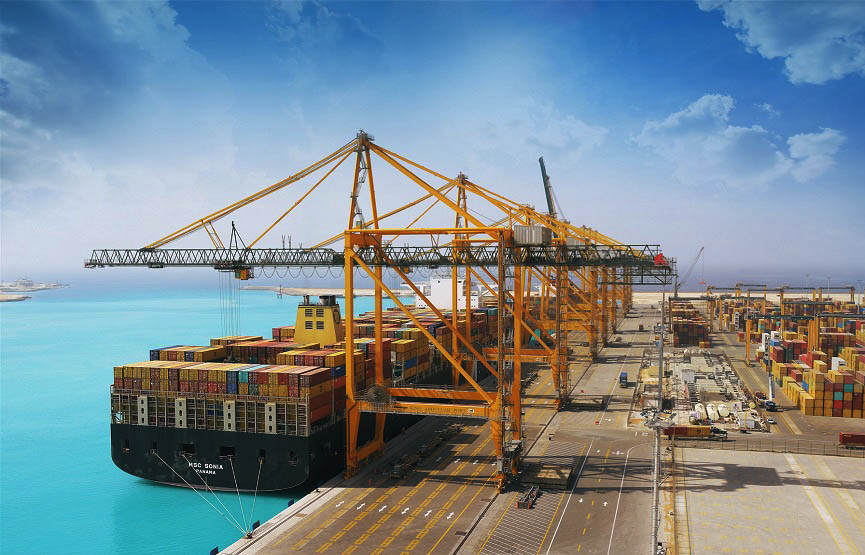
Key areas of focus include:
- Logistics zones embedded within major ports
- Expansion of container and bulk cargo capacity
- Automation across terminal and clearance operations
- Long-term participation from private operators
Execution milestones include:

- 8 logistics zones launched with investment close to SAR 2.9 billion
- A pipeline of 18 logistics zones with a total investment exceeding SAR 10 billion
This structure reduces execution risk and improves investor confidence.
Saudi Port Logistics Projects
Infrastructure projects translate policy into physical throughput. Capacity growth is targeted, measurable, and linked to demand.
Major developments include:
- Jeddah Islamic Port South Container Terminal
- Investment above SAR 3 billion
- Capacity rising from 1.8 million to 4 million TEUs
- Automation improving handling speed
- Fourth Container Terminal at Jeddah Islamic Port
- Planned annual capacity of 2.6 million TEUs
- Designed for transhipment and export volumes
- King Abdulaziz Port in Dammam
- New logistics parks for vehicle handling and industrial storage
- Expanded role in Gulf trade flows
These projects improve resilience while reducing congestion.
Port Performance Indicators
Operational data offers a clear view of momentum. Growth is consistent across months rather than concentrated in single periods.
Recent indicators include:
- Monthly container throughput growth above 18 percent year-on-year in 2025
- Consecutive months of double-digit volume growth
- Record monthly levels of exported containers in late 2025
These patterns reflect sustained demand rather than short-term recovery.

Cargo Growth Trends in Saudi Ports
Cargo volumes highlight the broader impact of port expansion on trade flows. Growth spans multiple cargo categories.
Annual figures show:
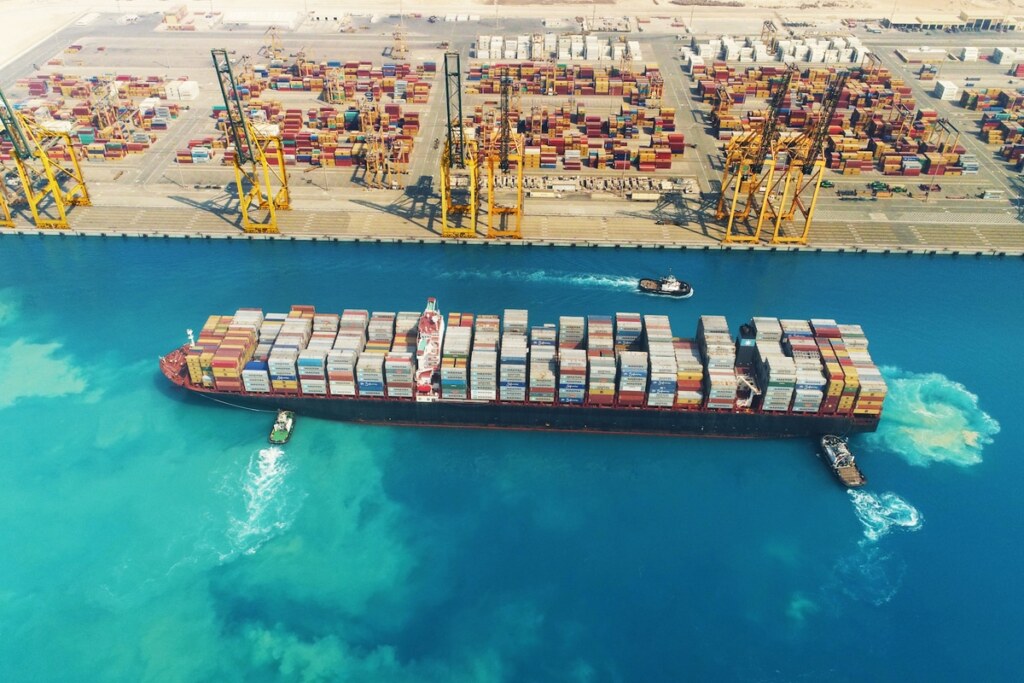
- Total cargo volumes above 334 million tonnes
- Export volumes up more than 9 percent year-on-year
- Increases across containerised, bulk, and general cargo
This distribution signals stronger industrial output and export capability.
Economic Impact of Port Expansion
Port expansion influences economic activity beyond maritime operations. Growth radiates into surrounding sectors and regions.
Observed effects include:
- Expansion of industrial clusters near ports
- Increased demand for warehousing and distribution facilities
- Growth in logistics-related services and employment
Ports function as anchors for regional economic ecosystems.
Real Estate Implications of Logistics Growth
Logistics activity shapes property demand through proximity and connectivity. Real estate patterns reflect infrastructure investment.
Key implications include:
- Rising demand for industrial and logistics assets
- Increased interest in commercial developments near ports
- Stronger residential demand along logistics corridors
Cities such as Jeddah, Dammam, and Yanbu are seeing infrastructure-led property activity tied directly to port development.
Investment Timing
Investment in Saudi port logistics indicates a market in its expansion phase. Capital deployment remains strong with a clear long-term direction.
Current conditions include:
- Planned logistics investment above SAR 1 trillion by 2030
- Approximately SAR 200 billion already deployed
- Growing participation from global logistics operators
This stage offers greater upside than post-maturity entry.
Bayut-KSA: Look into Port-Driven Property Growth
Port investment does not stop at the shoreline. Logistics growth creates demand for warehouses, offices, and housing near ports.
Bayut-KSA tracks this demand. The platform shows pricing movement, listing activity, and location trends tied to logistics corridors. This helps investors and developers see where port growth is shaping real estate markets across Saudi Arabia.





 as a preferred source on Google