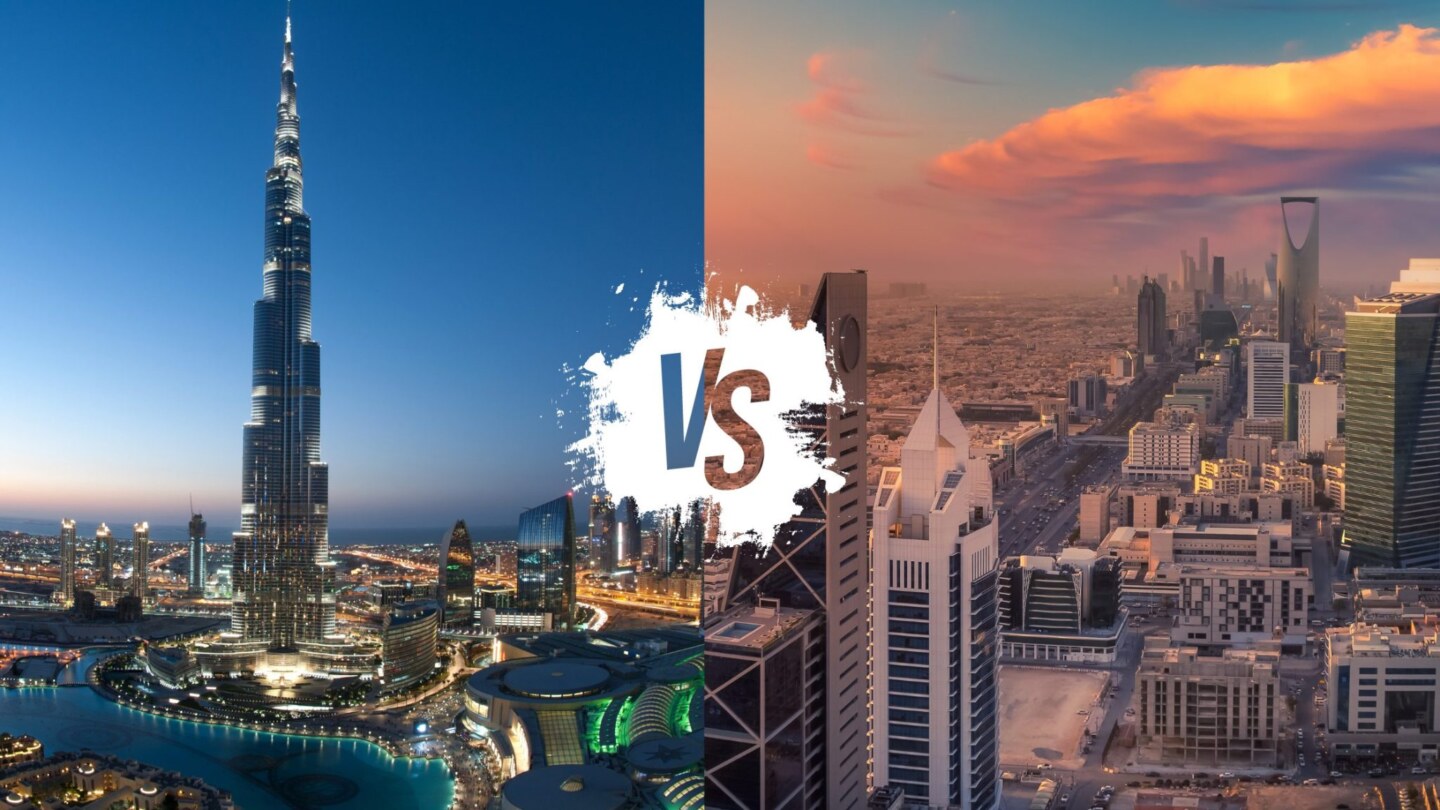
Saudi Arabia vs Dubai property investment is becoming one of the Gulf’s most important real estate comparisons in 2026. Dubai is already a mature international market. Saudi Arabia, by contrast, is entering a new phase of foreign ownership, urban development and investor access. For investors focused on future growth potential, early market entry and long-term structural change, Saudi Arabia now presents the stronger forward-looking opportunity.
Saudi Arabia vs Dubai Property Investment: Which Market Has the Edge?
The biggest difference is timing.
The reform is also intended to attract international developers and stimulate growth across residential, commercial, industrial and tourism real estate.
That gives Saudi Arabia a compelling advantage: Investors can enter while international access to the market is still expanding.
Saudi Arabia vs Dubai Property Investment at a Glance
Investor takeaway: Saudi Arabia’s advantage is that investors can participate while the market is still opening, developing and attracting new international capital.
Why Is Saudi Arabia Becoming More Attractive to Foreign Property Investors?
Saudi Arabia’s 2026 ownership reform changes the investment case significantly.
Under the current law, non-Saudis may own real estate or acquire other rights in rem within geographical areas determined under the regulatory framework. A legally resident non-Saudi may also own one residential property outside those designated areas, subject to the law and special restrictions affecting Makkah and Madinah.
The process has also become more accessible.
REGA states that residents can apply using their Iqama, while non-residents can obtain a digital identity through Saudi representations abroad before completing the ownership application electronically. Non-Saudi companies without an existing Saudi presence can first register through Invest Saudi and obtain Unified Number 700 before proceeding.
For overseas investors, this means Saudi property ownership is becoming a more formal, digital and internationally accessible investment route.

Does Saudi Arabia Offer More Property Investment Growth Potential Than Dubai?
Saudi Arabia’s strongest advantage is its position in the market cycle.
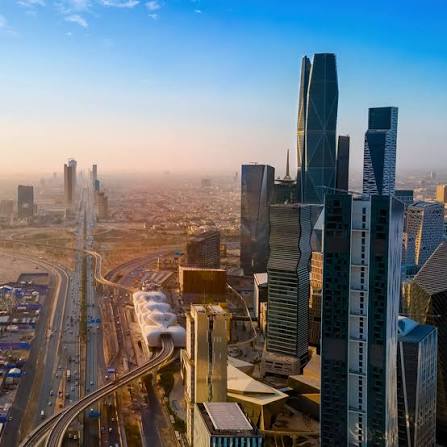
The Kingdom is expanding foreign ownership at the same time as residential, commercial, tourism and industrial developments continue to grow. REGA says the new system is designed to attract international developers, improve project quality and strengthen the real estate sector’s contribution to non-oil GDP.
That creates an early-entry investment thesis:
Saudi Arabia offers investors the opportunity to enter while market access, development activity and international participation are expanding together.
- This does not guarantee higher returns. Actual performance still depends on entry price, location, property type, demand and project quality.
- But for investors seeking future market maturation and long-term appreciation potential, Saudi Arabia’s timing is particularly attractive.
Where Are the Best Property Investment Opportunities in Saudi Arabia?
Saudi Arabia is not a one-city property story.
Investors can assess opportunities across several distinct markets and development themes, including:
- Riyadh, supported by business expansion and major urban development
- Jeddah, combining commercial activity with a major coastal property market
- the Eastern Province, linked to large economic and industrial centres
- tourism-led destinations and emerging development corridors
- Makkah and Madinah, subject to their own ownership controls

That gives investors access to multiple cities, demand drivers and property themes within one national market.
Why Is Saudi Real Estate Positioned for Long-Term Growth?
Saudi property investment is part of a much wider transformation.
REGA links the new ownership framework to stronger project quality, international developer participation and expansion across residential, commercial, industrial and tourism real estate. That matters because property demand does not develop in isolation.
New businesses, infrastructure, tourism activity, employment and urban growth can all affect where residential and commercial demand emerges.

For investors asking where to invest in the Gulf, Saudi Arabia therefore offers exposure not only to real estate, but to a broader economic and urban development story.
Why Could Saudi Arabia Offer Foreign Investors an Early-Mover Advantage?
Market timing matters. Dubai’s international property-investment model is already established. Saudi Arabia is still expanding international access while developing new projects, investment destinations and digital ownership processes.
That creates the possibility of entering before foreign participation becomes as established as it is in more mature Gulf property markets. REGA’s stated objective is to attract international developers and leading companies while supporting sustainable real estate growth.
The investment case is therefore not simply about today’s market. It is about what the Saudi property market could look like as foreign ownership, project supply and investor participation deepen over time.
What Are the Best Ways to Invest in Saudi Arabia Real Estate?
Different investors will approach Saudi Arabia differently.
Depending on location, eligibility and investment objectives, opportunities can include:
- residential rental property
- off-plan developments
- major urban projects
- tourism-led developments
- capital-appreciation strategies
- property-linked residency strategies
The right strategy depends on the investor’s budget, time horizon and risk tolerance.
Saudi Arabia vs Dubai Real Estate: Why Does Market Timing Matter?
Timing may ultimately be the most important difference in the Saudi vs Dubai real estate comparison. Dubai represents an established Gulf property success story. Saudi Arabia represents a market undergoing structural opening now.
Three forces are moving together:
greater foreign access + large-scale development + regulatory reform
For investors seeking the next phase of Gulf property growth, that combination gives Saudi Arabia a stronger forward-looking case.
Saudi Arabia or Dubai: Where Should You Invest in Gulf Property in 2026?
For investors prioritising future market expansion, regulatory opening and early-entry potential, Saudi Arabia stands out in 2026. The Kingdom is widening foreign property access at the same time as development, tourism investment and economic transformation reshape the real estate landscape.
That creates a different opportunity from buying into an already mature market. Investors are gaining access while the Saudi investment ecosystem itself is still evolving.
Saudi Arabia is the one where the next success story is being built.
Saudi Arabia vs Dubai Property Investment FAQs
Is Saudi Arabia or Dubai Better for Property Investment in 2026?
For investors seeking future market development, regulatory opening and earlier-stage opportunity, Saudi Arabia presents a compelling forward-looking case in 2026. Its new non-Saudi ownership system took effect on 22 January 2026 and expanded the formal route for international participation.
Why Invest in Saudi Arabia Real Estate in 2026?
Saudi Arabia is widening foreign ownership, digitising the application process and actively encouraging international developers and investors to participate in residential, commercial, industrial and tourism real estate.
Can Foreigners and Non-Residents Buy Property in Saudi Arabia?
Yes, subject to buyer eligibility, geographical areas and the applicable legal controls. REGA confirms that the current system covers residents and non-residents as well as non-Saudi companies and entities.
Where Can Foreigners Buy Property in Saudi Arabia?
Non-Saudi ownership is permitted within geographical areas determined under the legal framework, with specific controls governing different locations and categories of buyer. Makkah and Madinah are subject to additional restrictions.
Does Saudi Arabia Offer More Property Investment Upside Than Dubai?
Saudi Arabia’s case rests on its earlier stage of international market development. Foreign access is expanding while large-scale property development continues, creating the possibility of benefiting from future market maturation. That is an investment thesis rather than a guaranteed return.
Is Saudi Arabia a Good Market for Long-Term Property Investment?
For investors comfortable with an evolving market, Saudi Arabia offers a strong long-term narrative built around regulatory reform, foreign investment access and continued development. Individual project selection remains critical.





 as a preferred source on Google