Real estate investment in Saudi Arabia is no longer guided by momentum alone. It is increasingly shaped by measurable demand, regulatory reform, and city-level performance. Over the past two years, higher transaction volumes, rising rental demand, and clearer ownership frameworks have changed how investors evaluate property decisions.
In 2026, the question is not whether the market will grow, but where growth is supported by data and where pricing has already adjusted. This guide examines real estate investment in Saudi Arabia using current market indicators, recent policy updates, and location-specific trends that matter to buyers and long-term investors.
Market Size & Growth Trends
At a national level, the Saudi residential market has reached a scale that attracts both local and international attention. However, size alone does not explain performance.
Key market indicators include:
- The estimated market value is around USD 165 billion in 2026
- Continued growth supported by population increase and urban expansion
- Residential assets account for the largest share of property transactions
However, growth concentrates in specific locations. Therefore, investors benefit more from city-level analysis than from national averages.
Foreign Ownership Regulation
Regulation has become a defining factor in how property decisions are made. Recent reforms have shifted how both local and foreign investors view the market.
From 2026 onward:

- Non-Saudi buyers can own property in designated zones
- Riyadh, Jeddah, and parts of the Eastern Province are most affected
- The reform aims to increase liquidity and long-term investment
As a result, well-located residential assets may benefit from a broader buyer pool. However, investors must still focus on approved developments and clear ownership structures.
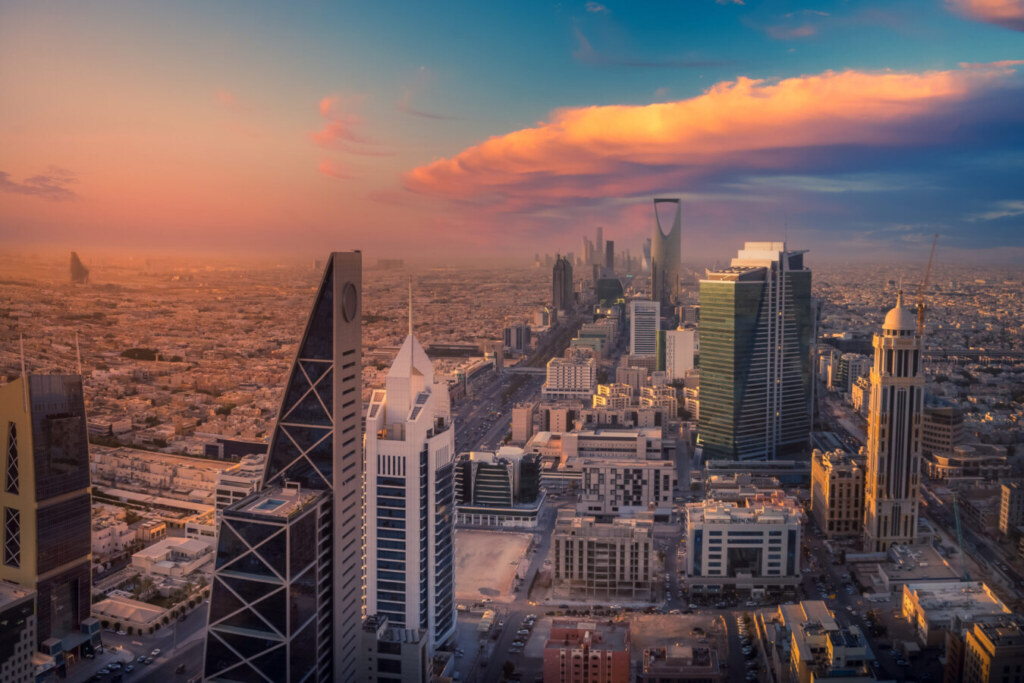
Riyadh: Strongest Demand & Liquidity
Riyadh remains the reference point for real estate investment in Saudi Arabia. Activity here reflects how employment, infrastructure, and housing demand intersect.
Recent trends show:
- Residential transactions dominating market activity
- Apartment prices in some districts growing at double-digit rates
- Consistent rental demand from salaried professionals
Because of this, investors often prioritise:
- Two- and three-bedroom apartments
- Properties near business districts or transport corridors
- Managed residential communities
Jeddah: Income-Focused Investment
Jeddah tells a different story. Here, returns depend less on price growth and more on steady occupancy. Successful strategies typically focus on:
- Rental income rather than rapid price growth
- Mid-rise residential buildings
- Properties within established neighbourhoods
Key demand drivers include:
- Commercial activity
- Tourism and port-related employment
- Mixed-use urban districts
Therefore, Jeddah suits investors seeking steady cash flow rather than short-term appreciation.

Eastern Province: Stability & Long-Term Holding
The Eastern Province appeals to investors who value predictability. The pace is slower, but demand remains tied to long-standing economic activity.
Market characteristics include:
- Lower entry prices than Riyadh
- Demand linked to the industrial and energy sectors
- Slower but more predictable price movement
For this reason, long-term rental strategies often outperform speculative investments in this region.
Rental Market Performance
Rental demand has become the clearest indicator of property performance. Investors increasingly follow tenants rather than headlines.
Across major cities:
- Rents have increased, especially for mid-income housing
- Tenant demand remains strong due to urban migration
- Professionally managed properties outperform informal rentals
As a result, investors increasingly assess:
- Rent sustainability
- Tenant turnover
- Management quality
Also, read about the best investment prospects in Saudi Arabia.
Infrastructure & Urban Development
Infrastructure spending continues to reshape how people move and where they choose to live. This shift directly affects property demand.
Recent developments include:
- Expansion of Riyadh’s metro and transport networks
- Urban regeneration projects in central districts
- Digital planning systems to improve approval timelines
Meanwhile, improved connectivity increases demand in well-linked neighbourhoods and supports long-term value.
Property Types That Perform Best
Not all properties respond equally to market growth. Performance now depends on how closely a property aligns with real housing needs.
Data shows stronger performance for:
- Mid-income residential apartments
- Managed residential communities
- Rental-focused developments with parking and services
Explore the Market with Bayut-KSA
Compare prices, rental demand, and verified listings across Saudi Arabia with Bayut-KSA, and make property decisions based on real market insight.