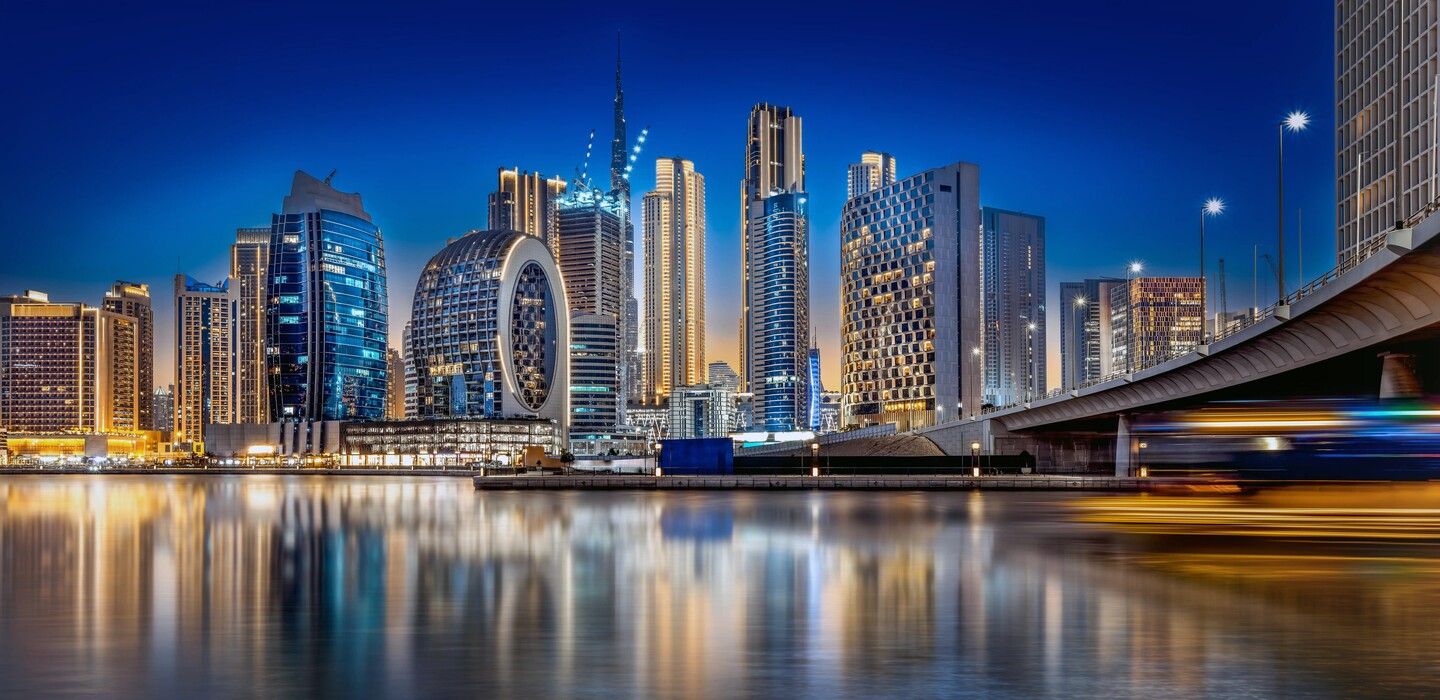
Property investors often start with one simple question: where does demand consistently come from? In Dammam, the answer is visible in people commuting to work, goods moving through the port, and businesses expanding to serve the Eastern Province. These patterns shape where homes are built, where warehouses are needed, and where commercial space remains occupied. For investors, this makes the city easier to read. Understanding real estate investment in Dammam begins with recognising how closely property demand is tied to employment, infrastructure, and long-term urban growth.
Why Dammam Matters for Investors
Dammam functions as a connector city. It links employment centres, industrial zones, and residential districts, which in turn creates steady demand across multiple property types. Because of this, investors often view the city as easier to understand and assess.
Dammam’s Role in the Eastern Province Economy
To understand Dammam’s property market, let us look at how the city fits into the wider region. Dammam sits between Dhahran, Al Khobar, and Jubail, which leads to constant movement of people and goods across the metropolitan area.
Key structural factors include:
- Proximity to Dhahran, Al Khobar, and Jubail
- Daily commuting across the Dammam–Khobar–Dhahran corridor
- Strong links between housing, employment, and logistics
According to GASTAT data, the Dammam–Khobar–Dhahran region supports a population of more than 1.2 million residents. As a result, demand remains strong for:
- Residential housing
- Commercial services
- Logistics and storage space
This integration explains why property demand in Dammam closely follows employment density and infrastructure access.
Dammam’s Property Market by the Numbers
While location matters, market activity confirms whether demand is real. For this reason, recent transaction data provides a useful snapshot of Dammam’s momentum.
Recent figures highlight growing activity:
- Around 3,000 real estate transactions in Q3 2025
- Total transaction value of approximately SAR 3.2 billion
- About 60% year-on-year growth in transaction volume
In addition, national indicators support this trend:
- The Saudi Real Estate Price Index rose by around 3.2% year-on-year in 2025
- The Eastern Province contributed positively to this growth
- Residential prices in Dammam remain about 20% lower than in Riyadh
Taken together, these numbers point to rising participation without sharp price pressure.
Where are the Opportunities?
Once market activity increases, investors naturally begin to ask where opportunities sit. In Dammam, opportunity follows daily economic use rather than short-term shifts.
Real estate investment opportunities in Dammam appear across sectors that support everyday activity.
The most active areas include:
- Residential housing for employees and families
- Industrial and logistics properties tied to port and manufacturing activity
- Commercial properties serving local businesses
Because each segment responds to different drivers, investors can diversify within the city rather than rely on a single asset type.
Also read about what startups to invest in Saudi Arabia with Bayut.sa.

Residential: Steady Demand
Housing demand in Dammam remains closely linked to long-term residency. As a result, the residential sector shows consistent performance across market cycles.
Residential real estate continues to form the base of the city’s property market.
Recent pricing data shows:
- Apartments averaging SAR 3,800–4,000 per square metre
- Villas averaging around SAR 9,500 per square metre
Demand comes mainly from residents working in:
- Energy and industrial services
- Logistics and transport
- Healthcare and education
Therefore, rental activity remains needs-based, which supports stable occupancy levels.
Commercial: Business-Led Growth
Commercial property performance often reflects how a city supports everyday business needs. In Dammam, service-driven activity plays a central role.
Commercial demand is driven by:
- Offices for energy services and logistics companies
- Medical and education-related facilities
- Retail units within residential districts
Because demand stays local, commercial assets tend to perform best in established neighbourhoods with steady footfall.
Industrial & Logistics Strength
Industrial real estate offers one of the clearest demand signals in Dammam. This strength comes directly from location and infrastructure.
Industrial and logistics assets remain among the strongest investment sectors, supported by:
- Proximity to King Abdulaziz Port
- Access to Jubail Industrial City
- Ongoing investment under the National Transport and Logistics Strategy
As a result, warehouses and light industrial units often benefit from:
- Longer lease periods
- Lower tenant turnover
- Stable, trade-linked demand
Districts Seeing Increased Activity
Recent market data shows that real estate demand in Dammam is concentrated in a few key districts rather than spread evenly across the city.
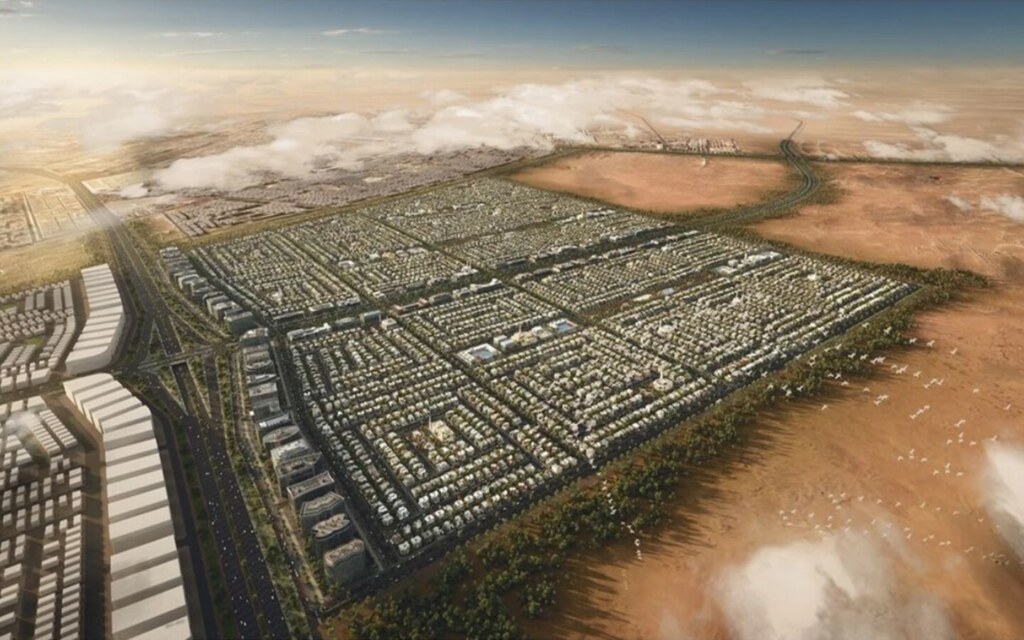
- Al Khalidiyah stands out for rising residential demand, supported by affordability and improved connectivity.
- Al Murjan continues to attract interest as a higher-end residential area with new housing developments.
- The Adel District is gaining attention due to large-scale residential projects expanding local infrastructure.
- Al Hamra remains a value-focused area with steady rental demand.
These districts reflect how local infrastructure and housing supply are shaping investment activity in Dammam.
Bayut-KSA: Helping Investors See the Market Clearly
As interest in Dammam grows, many investors struggle to compare prices, locations, and real demand using reliable data. Market information is often fragmented, making it harder to evaluate opportunities with confidence.
Bayut-KSA simplifies this process by offering verified listings and clear market insights in one place. For investors exploring real estate investment in Dammam, Bayut-KSA helps turn market activity into informed decisions based on real data, not guesswork.