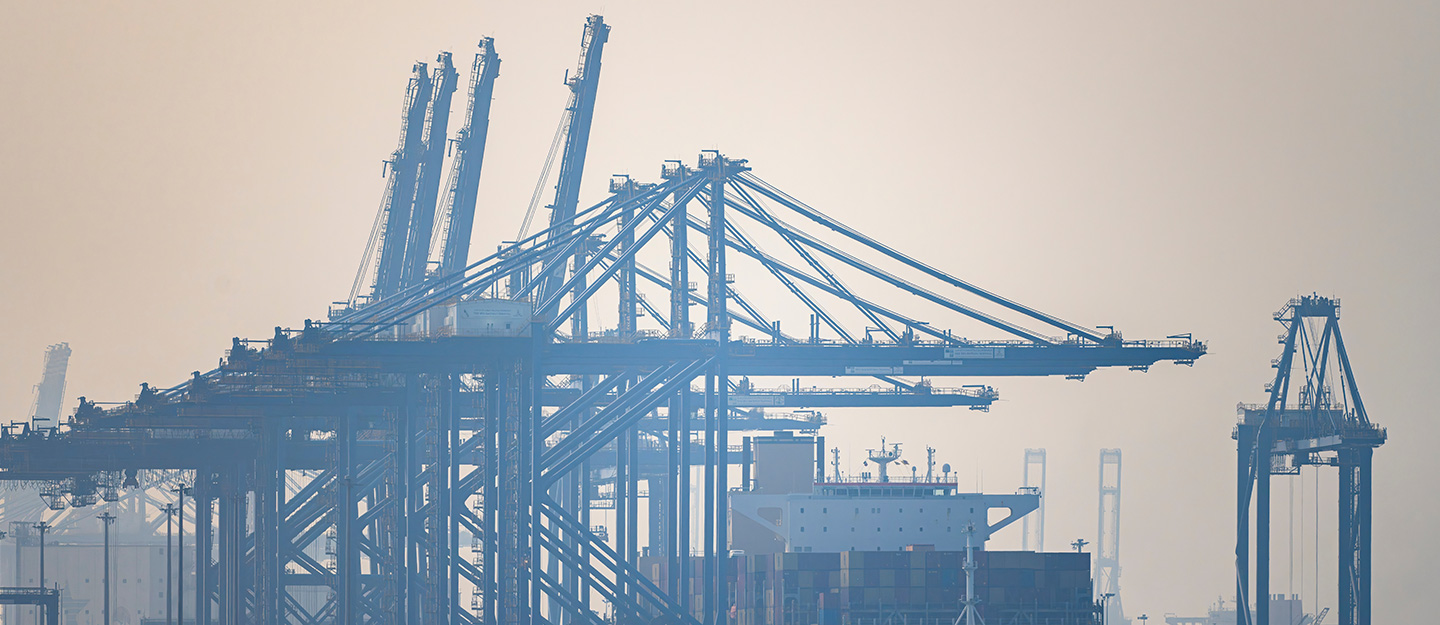
With the wide range improvement in the investment sectors that the Kingdom witnesses. Manufacturing investment in Saudi Arabia is driving a new revolution that attracts all investors from all over the world.
In this article, we introduce to you all what you need to know about this sector and how you can start your journey into it.
What is the Manufacturing Investment in Saudi Arabia?
Manufacturing investment refers to the allocation of capital to establish, expand or modernize facilities that produce goods. It is by transforming raw materials or components into finished or semi-finished products.
It includes spending on factories, machinery, production lines, technology, workforce training and industrial infrastructure. Especially, with the objective of generating value through large-scale or specialized production. Manufacturing investment can be domestic or foreign and it typically targets sectors, such as:
- Food processing
- Chemicals
- Pharmaceuticals
- Metals
- Automative
- Electronics
- Advanced industries
In economic terms, manufacturing investment supports industrial growth, job creation, productivity and export capacity, making it a key driver of long-term economic development.
Also read about:Gaming Investment in Saudi Arabia.
Manufacturing Opportunities in Saudi Arabia
In the framework of Saudi’s economic diversification strategy, numerous manufacturing opportunities appeared, invading all the markets and creating exceptional investment chances. Here are the main opportunities of manufacturing:
Food & Beverage Processing
Growing demand for food security and import replacement means opportunities in:

- Processed foods (snacks, frozen foods, dairy).
- Packaging, botting and cold chain logistics.
- Integrated food production clusters with modern infrastructure.
Pharmaceuticals and Medical Devices
Healthcare growth and localization create openings for:
- Medicine and supplement production.
- Packaging and diagnostics manufacturing.
- Medical device production and assembly.
Renewable Energy and Green Technology
The renewable energy investment also connected with manufacturing and aligned with Vision 2030, this includes multiple opportunities like:
- Solar panels, inverters and battery storage.
- Wind components and energy systems.
- Smart grid and energy-efficiency equipment.
Automotive and Mobility
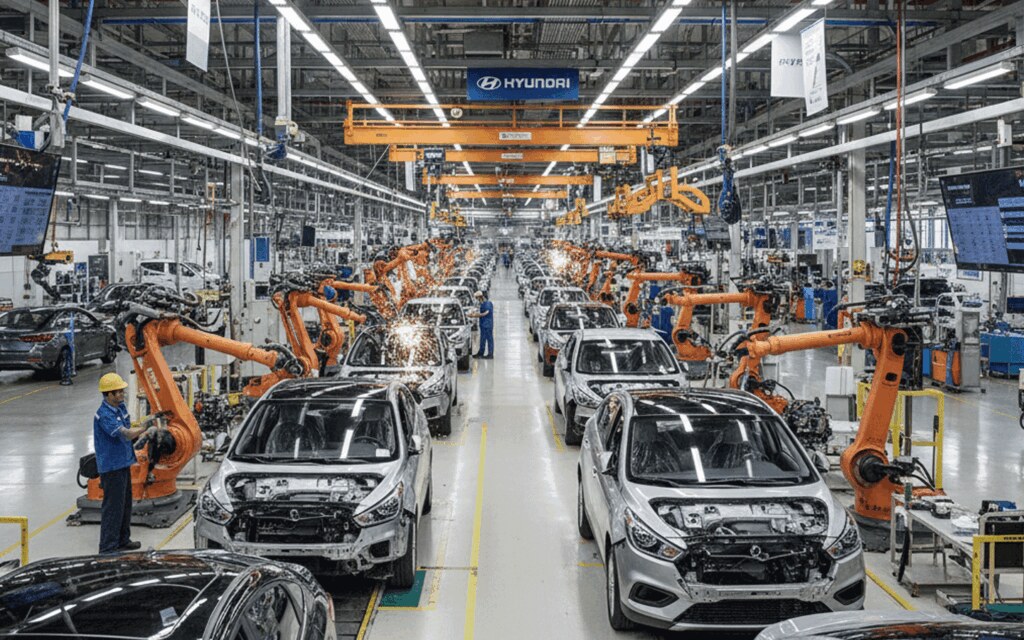
Vehicle and parts manufacturing is emerging, including for electric vehicles. Projects with global firms show growing interest in localized production.
Aviation and Aerospace Components
Specialized clusters aim to build aircraft parts, defense systems and support manufacturing around airports and logistics hubs.
Building Materials and Construction Goods
Ongoing giga-projects in Saudi Arabia need locally made:
- Steel, cement, glass and aluminum.
- Electrical components, cables and modular systems.
Electronics and Smart Devices
The electronics and smart devices form the backbone of the Saudi economy, the opportunities exist for:
- Telecommunication hardware
- Smart IoT devices and consumer electronics.
- Assembly and technology-driven production lines.
Manufacturing Investment Requirements
Here are the key requirements and steps for manufacturing investment in Saudi Arabia. In other words, it is what investors typically must do to legally set up and operate a manufacturing business in the Kingdom:

Legal and Business Registration Requirements
Before anything, you must register your business with the Ministry of Commerce. This gives your company an official legal identity and defines the scope of its activities.
It is worthy mentioning that if you are a non-Saudi or foreign investor, you must obtain an investment license from the Ministry of Investment (MISA). This is mandatory for operating a business in Saudi Arabia and allows foreign ownership and participation.
For industrial manufacturing licenses, there is typically a minimum capital requirement, for example, industrial licenses may require around SAR 500,000 (used as working capital), which is more accessible than trading business requirements that can be much higher.
Site and Facility Approvals
You need to secure a factory location–typically through lease or purchase–in an industrial zone. For example, those managed by the Saudi Industrial Property Authority (MODON) or special economic zones.
Also, before construction, companies must submit an environmental impact assessment and get approval from the National Center for Environmental Compliance to ensure operations won’t harm the environment.
Local government permits for construction and operations are necessary, including permits from the municipal authorities. As well as factories must meet safety and fire protection standards and receive approval from the Saudi Civil Defense before opening.
Workforce Requirements
Saudi Arabia has Saudization policies requiring businesses to hire a certain percentage of Saudi nationals in their workforce. The exact quotes depend on the industry and size of the company and are part of labor market reforms.
While expatriate workers are commonly employed in manufacturing, Saudi Arabia has recently revoked certain fees on expatriate workers in the industrial sector to support competitiveness, but work visas and labor compliance are still required.
Sector-Specific Licenses
Some manufacturing areas– like defense, food processing or pharmaceutics– require additional industry-specific certifications or regulatory approvals
Operational and Compliance Requirements of Manufacturing Investment in Saudi Arabia
Manufacturers must register for corporate taxes, adhere to costume rules for importing equipment and comply with VAT regulations where applicable.
Ongoing compliance with Saudi Standards (SASO), quality control and regular reporting to authorities is required for continued operation.
Saudi Industrial Development Fund Role
The SIDF is directly related to manufacturing investment as it acts as the main government financing arm for the industrial sector in Saudi Arabia.
Also, it supports manufacturing projects by providing long-term, low-interest loans to help investors establish, expand or modernize factories. It finances costs such as machinery, equipment, construction and working capital. Also, it supports strategic sectors aligned with Vision 2030, including manufacturing, mining, energy and logistics.
In a nutshell, SIDF enables manufacturing investment by reducing financial risk, improving project feasibility and accelerating industrial growth in the Kingdom.
Ultimately, the manufacturing investment in Saudi Arabia is a new horizon that allows investors to spread their innovation through multiple fields. Bayut Blog presents different types of investment opportunities that you can discover to start your journey in investment in Saudi.


 as a preferred source on Google