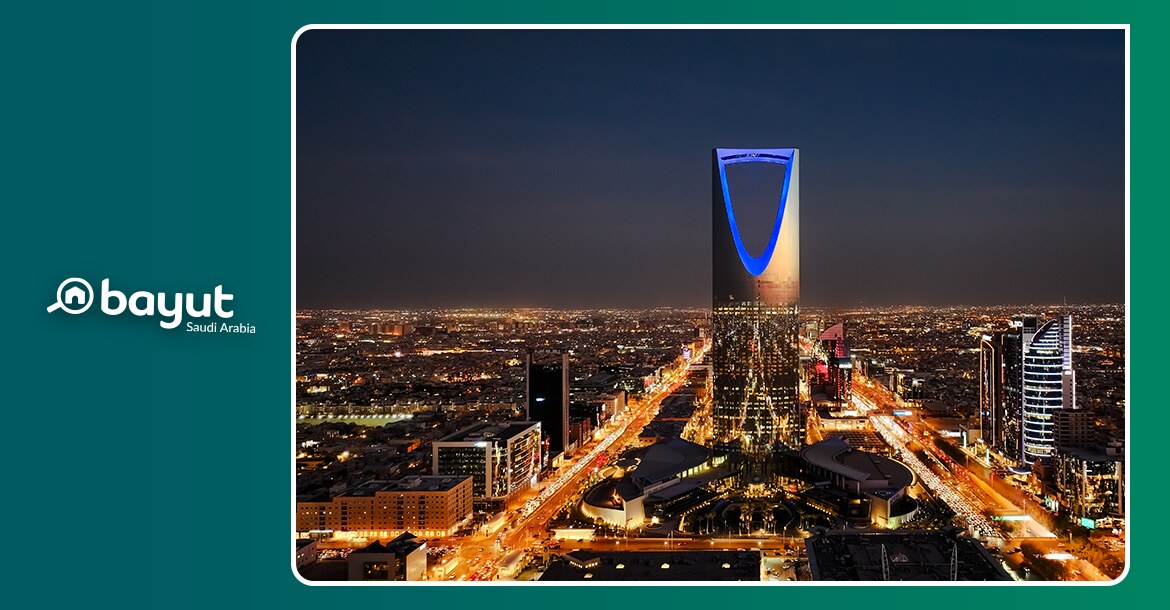
For many long-term residents, buying a home in Saudi Arabia can feel like a natural next step after years of living and working in the Kingdom. The 2026 non-Saudi property ownership framework gives Iqama holders a clearer route into ownership, but residency alone does not create an unrestricted right to buy property anywhere.
The current law distinguishes between properties inside officially designated geographic ownership zones and properties outside those zones. It also gives legally resident non-Saudi individuals a separate right to own one property for personal residence outside the designated zones, except in Makkah and Madinah. For an Iqama holder, understanding which route applies should therefore come before choosing a property or paying a reservation amount.
What Can an Iqama Holder Buy in Saudi Arabia?
Under Article 2 of the current non-Saudi ownership law, a non-Saudi may own real estate or acquire other real rights within geographic areas approved under the framework. The rules for each area can specify the type of rights available, the maximum percentage of non-Saudi ownership, the permitted duration of usufruct rights and additional ownership conditions.
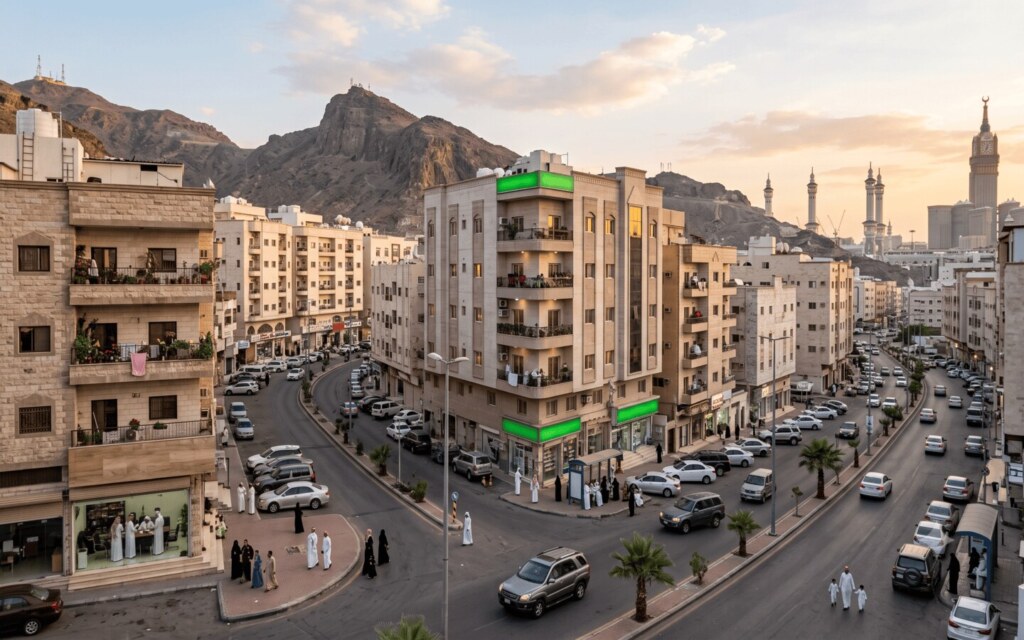
Iqama holders also benefit from a separate personal-residence rule. A non-Saudi natural person who legally resides in the Kingdom may own one property outside the designated geographic ownership zones for use as their residence. This exception does not apply in Makkah or Madinah.
This distinction means an Iqama holder should not assume that the one-home residential rule allows unlimited investment purchases outside the approved zones. Additional investment ownership depends on the rights available within the relevant designated area and the controls applying to that location.
Does Living or Working in an Area Give You the Right to Buy There?
Living in a neighbourhood, working nearby or having rented there for several years does not by itself create an ownership entitlement. The legal question is whether the property falls within an approved geographic zone or whether the purchase qualifies under the separate one-property personal-residence rule.
Before committing to a property, an Iqama holder should therefore confirm the exact ownership status of the location, the type of right being purchased and any conditions attached to foreign ownership in that area. REGA’s Saudi Properties framework provides the official route for checking the current geographic controls and permitted rights.

Get Help Understanding the Ownership Route
Bayut-KSA’s Investor Hub describes its service as supporting investors from project selection through legal processing, including guidance on eligibility criteria, legal requirements, ownership rights, due diligence and documentation. Formal legal opinions on a specific transaction should still be obtained from appropriately licensed legal professionals where required.
What Are the Rules for Makkah and Madinah?
Makkah and Madinah require separate attention because the personal-residence exception available to legally resident non-Saudis does not extend to those two cities. An Iqama holder therefore cannot rely on the general one-home rule to purchase outside a designated ownership zone in Makkah or Madinah.
Ownership within approved areas in the two holy cities is subject to the special controls established under the non-Saudi ownership framework. Buyers considering property in either city should verify the current geographic zone, permitted right and applicable eligibility conditions through the official Saudi Properties system before making any financial commitment.
Can Every Family Member Use the One-Home Rule?
The implementing regulations also prevent one household from automatically multiplying the personal-residence exception through separate dependent Iqamas. The non-Saudi resident’s spouse and non-Saudi descendants are treated as dependants for the purpose of the one-property residential rule.
A spouse or descendant generally cannot separately acquire another property under the same exception unless the marital relationship has ended or the descendant has reached the age of 25. This is an important detail for expatriate families considering more than one residential purchase.
How Does the Buying Process Work for an Iqama Holder?
Resident buyers have a different starting point from non-residents. The implementing regulations specifically impose the separate digital-identity, Saudi bank account and Saudi mobile-number requirements on non-resident natural persons before they can purchase property. Iqama holders already legally residing in the Kingdom therefore follow the resident route rather than the overseas digital-identity route.
The practical process should begin with eligibility and location checks. Once those are confirmed, the buyer can move to property verification, due diligence, contract review, payment and final registration of the acquired property or real right.

What Should You Check Before Signing?
Legal eligibility should be treated as the starting point rather than the full due diligence process. A property may be available to an Iqama holder under the ownership rules and still be a weak purchase because of its price, title position, developer quality, service charges or resale prospects.
Before signing, the buyer should confirm the seller’s authority to sell, the title and registration status, any existing mortgages or other recorded rights, and the approvals applying to the project. Off-plan buyers should also review the project’s licence, escrow arrangements, construction status and payment schedule.
The commercial side matters just as much. The buyer should compare the purchase price with similar properties, understand expected service and maintenance charges, review financing costs and assess whether the property would remain attractive if circumstances later required it to be rented or sold.
Get Regulatory Guidance and Due-Diligence Support
Bayut-KSA also offers vetted project selection, local market insights, acquisition support and documentation assistance through the Investor Hub. These services can help a resident buyer understand the transaction and compare opportunities, while transaction-specific legal opinions or representation should be handled by appropriately licensed legal counsel.
Should You Buy the Home You Currently Rent?
For an Iqama holder already settled in Saudi Arabia, one of the most practical questions is whether buying a home makes more sense than continuing to rent. The answer depends on more than the monthly mortgage payment.
A useful comparison should include the purchase price, current annual rent, financing cost, transaction costs, service charges, maintenance, expected holding period and the amount of capital tied up in the purchase. The buyer should also consider what happens if employment or family circumstances change and the property later needs to be rented or sold.
The strongest decision is therefore not simply to buy because ownership is now more accessible. It is to buy when the legal route is clear, and the property itself makes financial sense.
Use Property Data Before You Commit
What Iqama Holders Should Remember
The 2026 framework gives legally resident foreigners a clearer route into Saudi property ownership, but the rules still depend on the location and purpose of the purchase. Inside approved geographic zones, the rights available are determined by the controls applying to that zone. Outside those zones, an Iqama holder may own one property for personal residence, except in Makkah and Madinah.
For that reason, the safest buying process is to establish eligibility and geographic status first, complete proper due diligence second and assess the financial case before committing capital. An Iqama makes the resident ownership route more accessible, but careful property selection and legal verification remain essential.
Frequently Asked Questions
Can an Iqama Holder Buy Property in Saudi Arabia?
Yes. A legally resident non-Saudi can own property subject to the current non-Saudi ownership framework, including the geographic controls and other conditions applying to the property.
Can an Iqama Holder Buy Outside an Approved Ownership Zone?
Yes. A legally resident non-Saudi natural person may own one property outside the designated geographic zones for personal residence, except in Makkah and Madinah.
Can an Iqama Holder Buy Several Investment Properties?
The one-property personal-residence exception does not itself provide a general right to buy multiple investment properties outside designated zones. Additional purchases depend on the ownership rights and limits applying within the relevant geographic areas.
Can Every Family Member Buy a Separate Home?
Not automatically under the one-home exception. The implementing regulations treat a non-Saudi resident’s spouse and non-Saudi descendants as dependants for this purpose, subject to the stated exceptions.
Can an Iqama Holder Buy Property in Makkah or Madinah?
The general one-property personal-residence exception does not apply in Makkah or Madinah. Buyers considering either city must follow the specific geographic and eligibility controls applying there.





 as a preferred source on Google