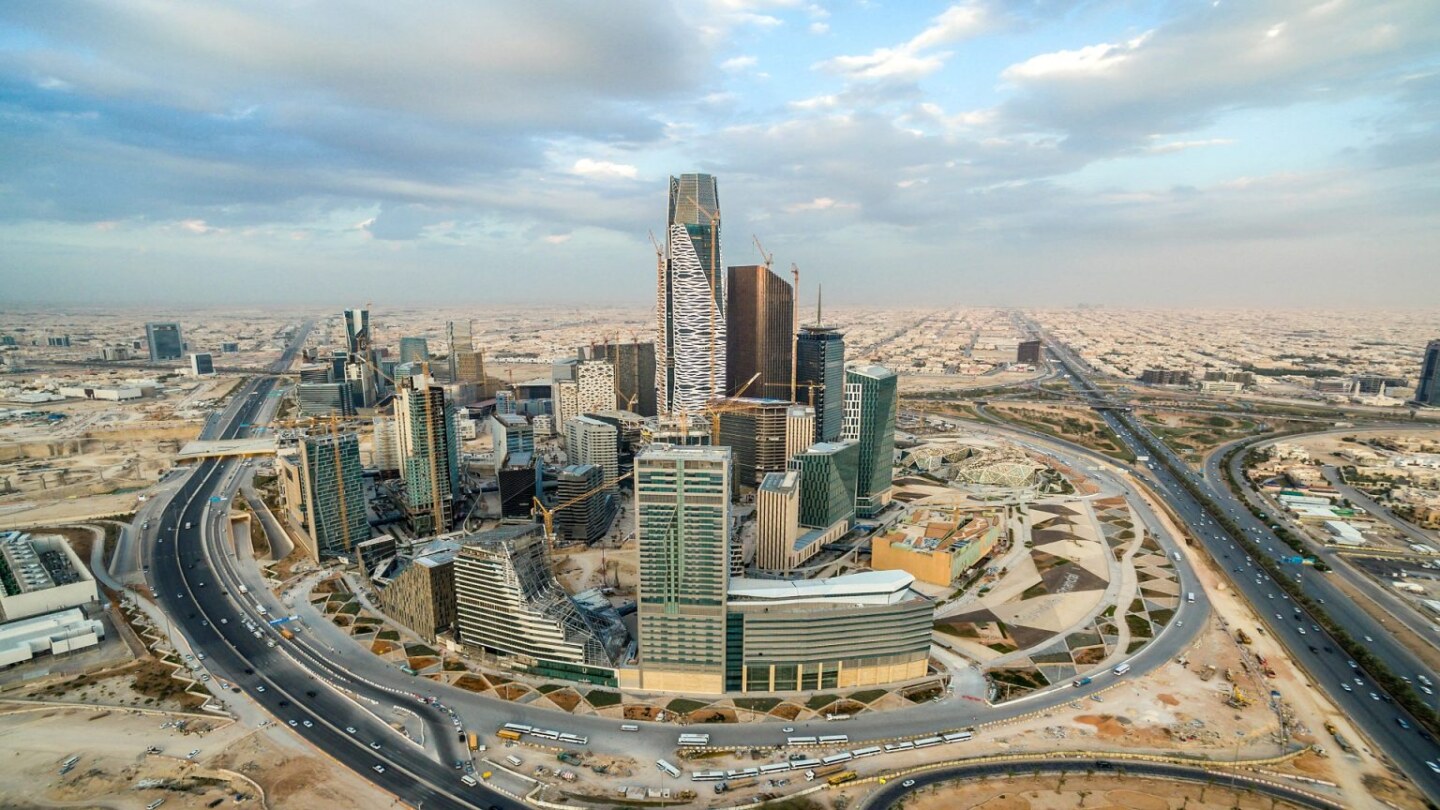
When a new city district rises in months instead of years, it makes investors pause and take note. In Saudi Arabia, some of the most ambitious projects unfold with clear backing, firm timelines, and strategic intent. This pattern reflects how the Kingdom deploys capital to build sectors, not just assets. At the heart of this approach is the Public Investment Fund, the entity responsible for directing large-scale investment into the country’s future. Its actions influence how real estate, infrastructure, and strategic industries take shape.

The Function of the Public Investment Fund
Projects in Saudi Arabia often launch with funding already secured and partners identified later. That sequence reflects how investment is structured.
PIF typically:
- Anchors large national and city-scale projects
- Partners with private developers and operators
- Funds enabling infrastructure that supports long-term growth
This approach explains why developments often move quickly from announcement to execution.

Also, read about the Invest Saudi Portal to know where to invest and how!
Recent Developments & Signals
Recent activity around the fund reinforces its long-term, ecosystem-led approach. Key signals include:
- PIF Private Sector Forum 2026: Hosted in Riyadh to connect portfolio companies, private firms, and government entities around partnership opportunities
- National Privatization Strategy: Execution has begun on a pipeline targeting 220+ contracts across 18 sectors by 2030, drawing private capital into infrastructure and real-estate-adjacent assets.
Annual Capital Deployment by PIF · USD Billions
Source: PIF Annual Report 2024 / PIF press release, August 2025
Together, these developments show that PIF is expanding collaboration rather than operating in isolation.
Implications for the Real Estate Market
The fund does not invest in individual properties. Its influence appears earlier in the development cycle.

In real estate, this shows up through:
- Support for new districts and master-planned developments
- Investment in infrastructure that drives long-term demand
- Creation of growth zones that attract private developers
As a result, real estate growth in Saudi Arabia tends to form around planned locations rather than emerge randomly. Industry forecasts reflect this momentum, with the market projected to grow from USD 77.2 billion in 2025 to USD 137.8 billion by 2034.
Have a look at tokensied or fractional real estate investment with Bayut-KSA.
Market Participation Beyond the Fund
Direct investment into PIF is not available to individuals. Participation happens indirectly.
Common exposure points include:
- Listed companies where PIF is a major shareholder
- Developments launched within PIF-backed growth areas
- Projects that attract private capital alongside state investment
PIF Portfolio Sector Allocation — End 2024
Source: Caproasia · PIF Annual Report 2024 · published August 2025
portfolio allocation
(excl. MENA)
PIF Annual Report 2024
At the same time, broader market entry is increasing. In Q3 2025, Saudi Arabia issued 6,986 investment licenses, an 83% year-on-year increase, reflecting rising investor participation across sectors.
Bayut-KSA: From Structure to Market Intelligence
Strategic investment sets the framework. Property decisions still happen at the market level.
Bayut-KSA supports this stage by connecting long-term investment planning with on-ground market data. Bayut-KSA helps investors navigate the real estate opportunities in KSA.





 as a preferred source on Google