Yes, non-Muslims can buy eligible property in Saudi Arabia in 2026. Religion is not a general barrier to foreign property ownership across the Kingdom. The key exception is Makkah and Madinah, where the right of a non-Saudi individual to own property is limited to Muslims. For buyers elsewhere in Saudi Arabia, the bigger questions are where the property is located, whether that location is open to non-Saudi ownership, what type of property right is available and whether the buyer meets the applicable conditions.
Saudi Arabia’s updated non-Saudi property ownership system came into force on 22 January 2026 and covers both foreign residents and non-residents. Applications are handled through the government’s Saudi Properties platform.
Non-Muslim Property Ownership in Saudi Arabia at a Glance
Can Non-Muslims Buy Property in Saudi Arabia?
Yes. A non-Muslim foreigner can buy eligible property in Saudi Arabia as long as the property and buyer meet the rules of the non-Saudi ownership framework.
The 2026 law allows non-Saudis to own property or acquire other real rights within geographic areas determined under the regulatory system. Those controls can specify:
- Where Foreigners Can Own
- What Real Estate Rights They Can Acquire
- Maximum Non-Saudi Ownership Levels
- Maximum Usufruct Periods
- Other Location-Specific Conditions
So religion is not the main eligibility test in Riyadh, Jeddah or other Saudi locations outside the two holy cities.
The more relevant question is:
Is this particular property available to this particular non-Saudi buyer under the applicable geographic-zone rules?
The Makkah and Madinah Exception
Makkah and Madinah are treated differently from the rest of Saudi Arabia.
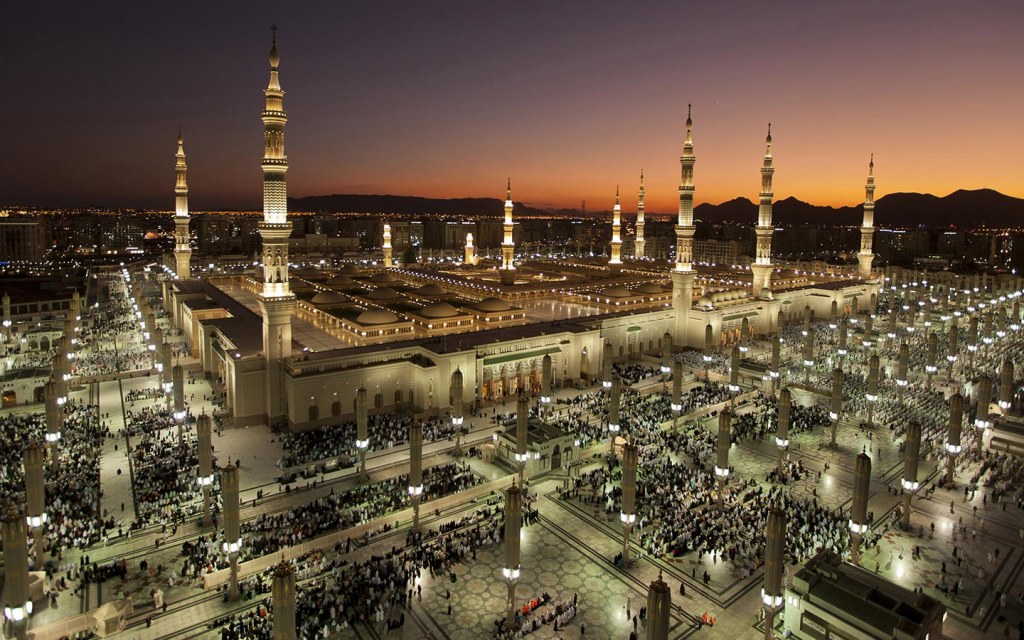
Article 2 of the non-Saudi ownership law states that the right of a non-Saudi individual to own property or acquire other real rights in the two holy cities is limited to Muslims. That means a non-Muslim foreign individual should not treat Makkah or Madinah as ordinary personal-property ownership markets.
REGA’s official ownership matrix confirms the distinction:

- Foreign Resident Individual: May own in designated areas generally, but ownership in Makkah and Madinah is for Muslims only.
- Foreign Non-Resident Individual: May own within designated geographic zones generally, but ownership in Makkah and Madinah is for Muslims only.
- Premium Residency Holder: The same Muslim-only restriction applies to individual ownership in the two holy cities.
This is the main religion-specific restriction foreign individual buyers need to understand.
Where Can Non-Muslims Buy Property in Saudi Arabia?
Outside Makkah and Madinah, the foreign-ownership system is based primarily on geographic eligibility rather than religion. The law allows the Council of Ministers to determine specific areas in which non-Saudis may own property. The same geographic rules can also set foreign ownership percentages, the types of rights available and any limits on usufruct.
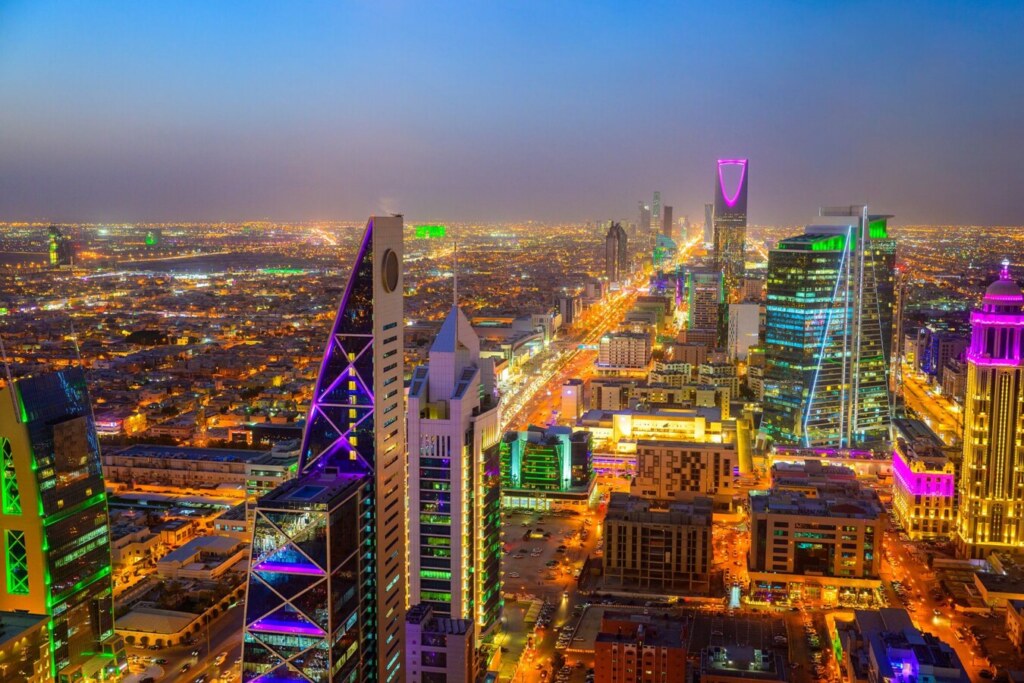
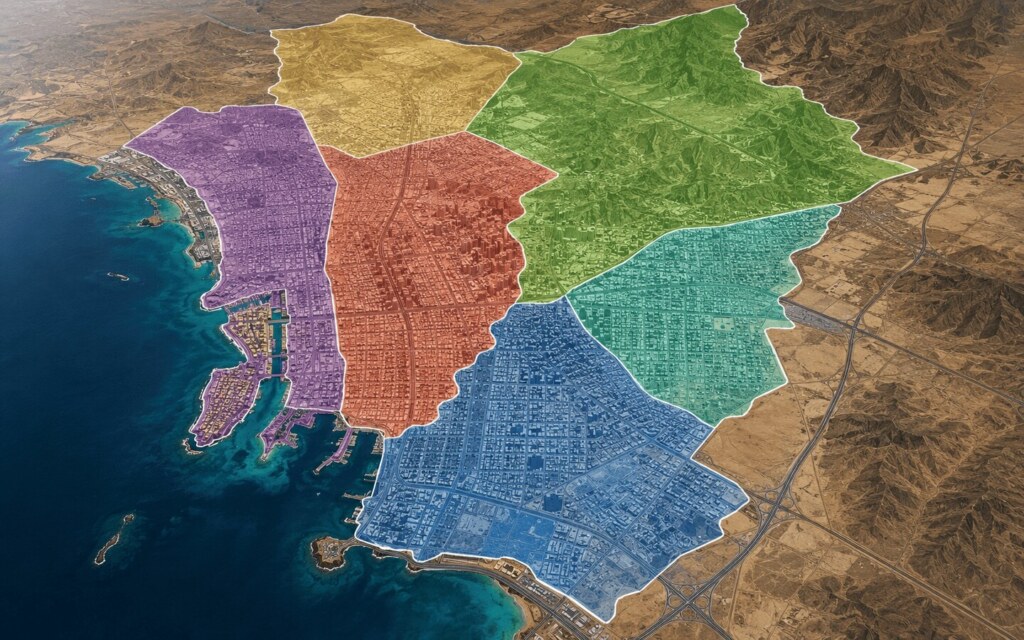
REGA says the Saudi Properties platform includes designated geographic zones and high-potential investment opportunities, giving buyers a government-backed route to check whether a location is open to non-Saudi ownership.
This means a non-Muslim investor considering locations such as Riyadh, Jeddah or emerging Saudi investment destinations should verify the specific property and zone, rather than assume every unit across a city is automatically available.
Residents and Non-Residents Have Different Routes
Saudi Arabia’s system covers both foreign residents already living in the Kingdom and buyers based overseas.
A legally resident non-Saudi individual receives an additional right under the law: they may own one property for their own residence outside the designated geographic zones, except in Makkah and Madinah. That provision does not give non-residents the same general right outside designated zones.
For non-residents, REGA says the ownership process begins through Saudi representations or embassies abroad to obtain the necessary digital identity before completing the application through Saudi Properties.
What Property Can Non-Muslim Foreigners Buy?
The law is not limited to one type of home. Instead, eligibility depends on the geographic area, the real estate right being offered and any controls that apply to the zone. REGA says the updated framework is intended to support investment across residential, commercial, industrial and tourism sectors.
For an individual buyer, this means opportunities could include residential apartments, villas or other eligible real estate, depending on the project’s location and approved ownership structure.
The practical rule is simple: Check the exact development rather than relying only on the city name.

Two properties in the same wider market may not necessarily carry identical foreign-ownership rights.
How to Check Whether a Property Is Eligible
Before paying a reservation fee or committing capital, a non-Muslim foreign buyer should confirm:
- Geographic Eligibility: Is the property within an area where non-Saudis may own?
- Ownership Right: Is the buyer receiving freehold ownership, usufruct or another recognised right?
- Buyer Category: Is the purchaser a resident, non-resident or another eligible category?
- Foreign Ownership Limits: Does the location carry a maximum non-Saudi ownership percentage?
- Use Restrictions: Are there conditions attached to residential, rental or commercial use?
- Registration: Can the transaction be completed through the official ownership and registration process?
The Saudi Properties portal is the official starting point for checking these issues.
Property Taxes and Buying Costs
Foreign buyers should look beyond the advertised property price.
Saudi Arabia applies Real Estate Transaction Tax at 5% on real estate transactions, subject to the relevant statutory rules and exemptions. ZATCA confirms the 5% rate under the current RETT regime.
Other costs may depend on the property and transaction, including:
- Professional or Legal Fees
- Registration-Related Costs
- Property Management Charges
- Service or Community Fees
- Maintenance Costs
- Financing Costs, Where Applicable
Our guide to property buying costs in Saudi Arabia explains the wider cost structure in more detail.
Can Non-Muslims Buy Through a Company?
Corporate ownership is treated differently from ownership by an individual.
The law allows certain Saudi companies whose capital is partly or wholly owned by non-Saudis to own real estate under separate conditions. Notably, Article 3 allows qualifying Saudi-incorporated, non-listed companies with non-Saudi ownership to acquire property within designated geographic areas, including Makkah and Madinah, subject to the law and implementing rules.
Listed Saudi companies, licensed investment funds and special-purpose entities are also governed through separate provisions and applicable capital-market rules.
This distinction is important. The Muslim-only restriction discussed above applies specifically to the individual ownership route in Makkah and Madinah. Investors considering corporate structures should assess the relevant company, investment and ownership regulations rather than assume the same rules automatically apply.
Is Saudi Property Investment Open to Non-Muslims in 2026?
Yes. Saudi property investment is open to eligible non-Muslim foreign buyers in 2026.
The most important religion-specific restriction for an individual buyer concerns Makkah and Madinah, where non-Saudi individual ownership is limited to Muslims. Outside those two cities, foreign ownership is principally determined by geographic eligibility and the controls attached to the specific property.
For most non-Muslim investors, the decision therefore comes down to much more familiar property questions:
Where can I legally buy? What exactly am I buying? What will it cost? And does the investment fit my budget and objectives?
Frequently Asked Questions
Can a Christian Buy Property in Saudi Arabia?
Yes. A Christian or other non-Muslim foreign buyer may acquire eligible property in Saudi Arabia under the non-Saudi ownership framework. The main exception for individual ownership is Makkah and Madinah, where non-Saudi ownership is restricted to Muslims.
Can Non-Muslims Buy Property in Riyadh?
Non-Muslims can potentially buy eligible property in Riyadh under the foreign-ownership framework. Buyers must still check the exact geographic zone, property right and applicable ownership conditions through Saudi Properties.
Can Non-Muslims Buy Property in Jeddah?
Yes, eligible non-Muslim foreign buyers may acquire property in permitted areas of Jeddah. The specific development and applicable geographic-zone rules should be verified before purchase.
Can Non-Muslims Buy Property in Makkah or Madinah?
Not through the normal non-Saudi individual ownership route. The law limits individual non-Saudi ownership in Makkah and Madinah to Muslims. Separate rules apply to certain companies and other entities.
Can a Non-Resident Non-Muslim Buy Property in Saudi Arabia?
Yes. The 2026 system covers non-residents, who may acquire eligible property within the applicable geographic ownership framework. REGA says overseas applicants begin by obtaining a digital identity through Saudi representations before completing the ownership process through Saudi Properties.




 as a preferred source on Google