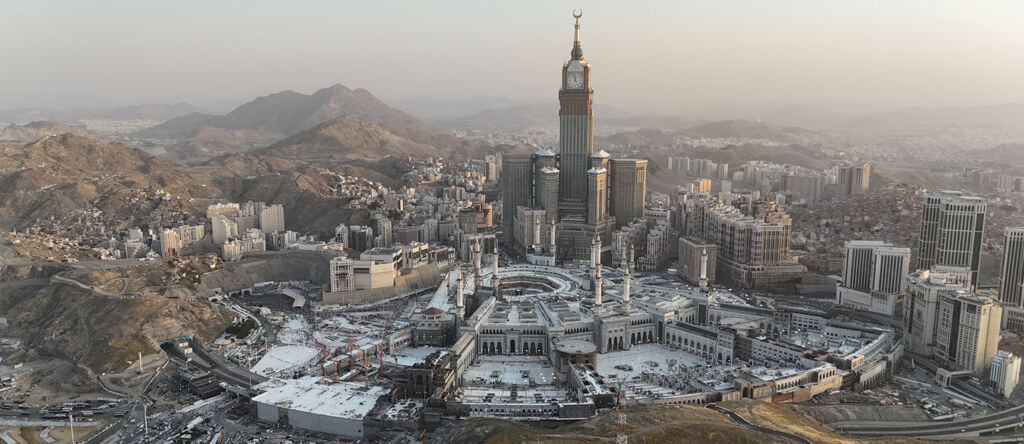
The city of Makkah and its surrounding Holy Sites stand as the spiritual heart of the Muslim world. In recent years, Saudi Arabia has embarked on a visionary journey to reshape this sacred region through a series of ambitious Makkah and Holy Sites Projects that merge faith, innovation, and sustainability. These developments aim to enhance the pilgrimage experience, support urban livability, and preserve the area’s unique cultural identity.
In this article, we will explore the significance of Makkah Projects, the largest developments shaping the city today, the key authorities behind them, and the main architectural objectives driving their success.
Makkah and Holy Sites Projects
The ongoing Makkah and Holy Sites Projects represent a multi-dimensional plan that integrates urban expansion, transportation, and architecture with the spiritual and historical importance of Makkah. Each project is carefully designed to accommodate millions of visitors while maintaining the sacred atmosphere that defines the city.
These projects are central to Saudi Arabia’s Vision 2030, focusing on improving infrastructure, expanding the Grand Mosque area, and providing world-class facilities for pilgrims and residents alike
What are the major projects in Makkah?
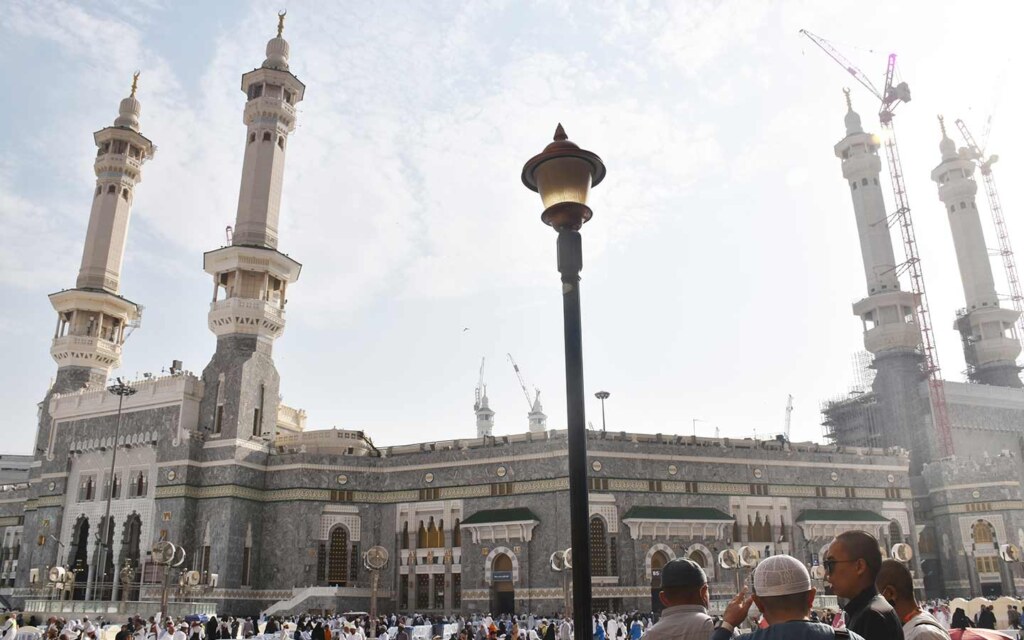
Here are the most notable Holy Sites Projects that are reshaping the city’s sacred landscape:

Al-Faisaliah City Project
Under the supervision of the Makkah Region Development Authority (MRDA), this major Makkah and Holy Sites Project aims to establish a modern urban hub featuring residential, commercial, and hospitality sectors. The project aligns with Vision 2030 by promoting investment and balanced regional growth.
King Salman Gate Project
One of the most significant Makkah and Holy Sites Projects, King Salman Gate spans 12 million m² near the Grand Mosque, featuring worship areas, hotels, and commercial zones. Expected to generate more than 300,000 jobs, it will serve as a vibrant center for both worshippers and residents.
Public Transport & Neighborhood Renewal
The MRDA has launched multiple Holy Sites Projects to modernize public transport and redevelop older neighborhoods such as Al-Nakkasa and Al-Kodwa, enhancing access to the Grand Mosque and improving residents’ quality of life.
Jabal Omar Development
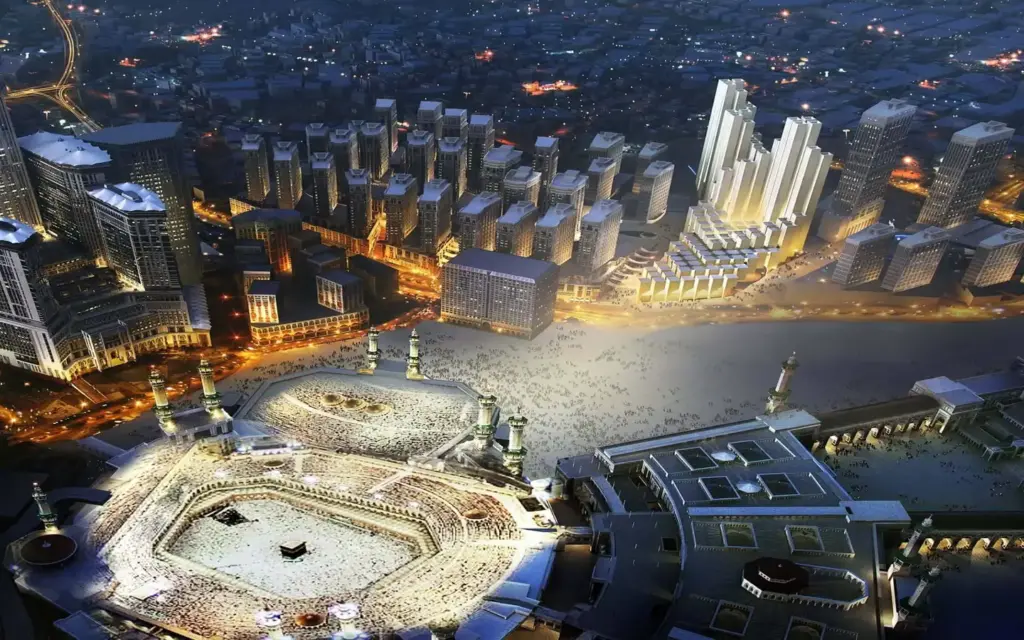
This landmark Makkah and Holy Sites Project modernizes the area surrounding the Grand Mosque with luxury hotels, residential towers, and integrated services for pilgrims. It stands as a model for combining heritage with contemporary design.
Masar Masterplan
The Masar initiative is another leading Makkah and Holy Sites Project that improves mobility, pedestrian access, and sustainability. It focuses on creating a comfortable urban environment that connects the spiritual and the practical aspects of city life.

Architectural Preservation Projects
Under the Royal Commission for the City of Makkah and the Holy Sites several Makkah and Holy Sites Projects focus on protecting the city’s unique architectural identity, blending traditional aesthetics with modern functionality.
Makkah Metro and Transportation Expansion
The Makkah Metro Project, part of Makkah Projects framework, enhances the city’s public transport system by connecting the Grand Mosque with key holy sites such as Mina, Arafat, and Muzdalifah. This network reduces congestion, improves environmental quality, and facilitates the movement of millions of pilgrims efficiently.
Objectives of architectural projects in Makkah and the Holy Sites
The objectives of the Architectural Projects in Makkah and the Holy Sites are as follows:
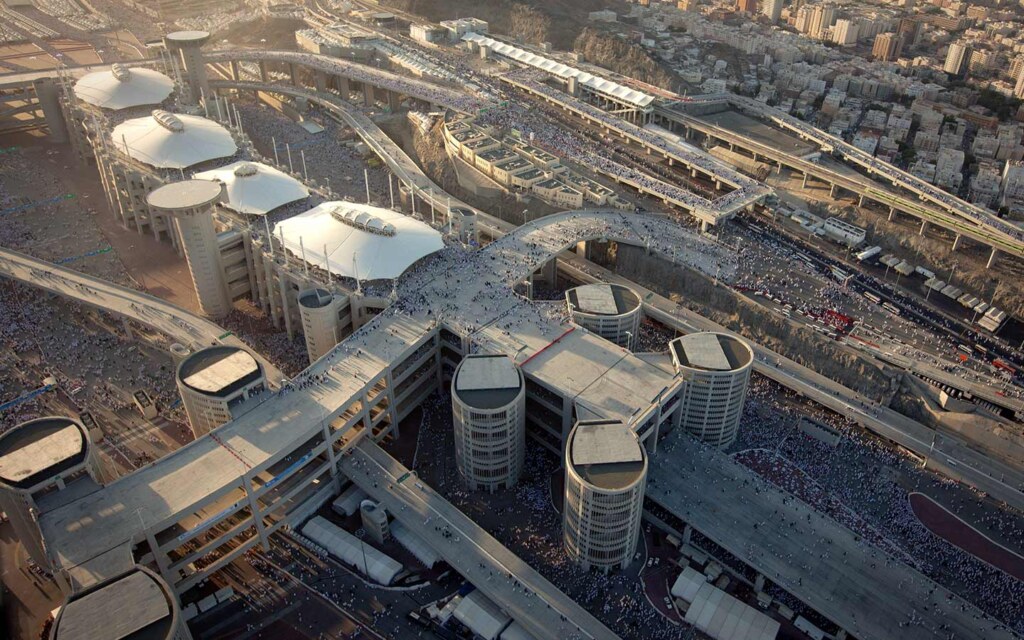
Enhance Makkah as a Global Religious Destination
A primary objective of Makkah Projects is to strengthen the city’s capacity to host millions of pilgrims annually while improving the spiritual and logistical experience.
Improve Safety and Accessibility
Urban planning under the Makkah and Holy Sites Projects ensures efficient pedestrian circulation, safe transportation, and enhanced emergency response systems.
Promote Sustainability and Heritage Preservation
Architectural frameworks aim to protect Makkah’s historical character by encouraging the use of local materials, eco-friendly designs, and sustainable building methods.
Optimize Pilgrim Experience through Functional Architecture
Holy Sites Projects prioritize comfort, clarity, and accessibility in design, ensuring that each space facilitates worship, rest, and spiritual reflection.
In conclusion, the Makkah and Holy Sites Projects represent a transformative vision that blends faith, functionality, and future-forward design. From large-scale infrastructure upgrades to heritage preservation, each project reflects Saudi Arabia’s dedication to enhancing the experience of every pilgrim and resident. Together, they ensure that Makkah remains a timeless beacon of spirituality and progress.
For more insights into Saudi Arabia’s most inspiring real estate and urban development projects, we invite you to visit Bayut KSA Blog, your trusted source for the latest and most useful updates.