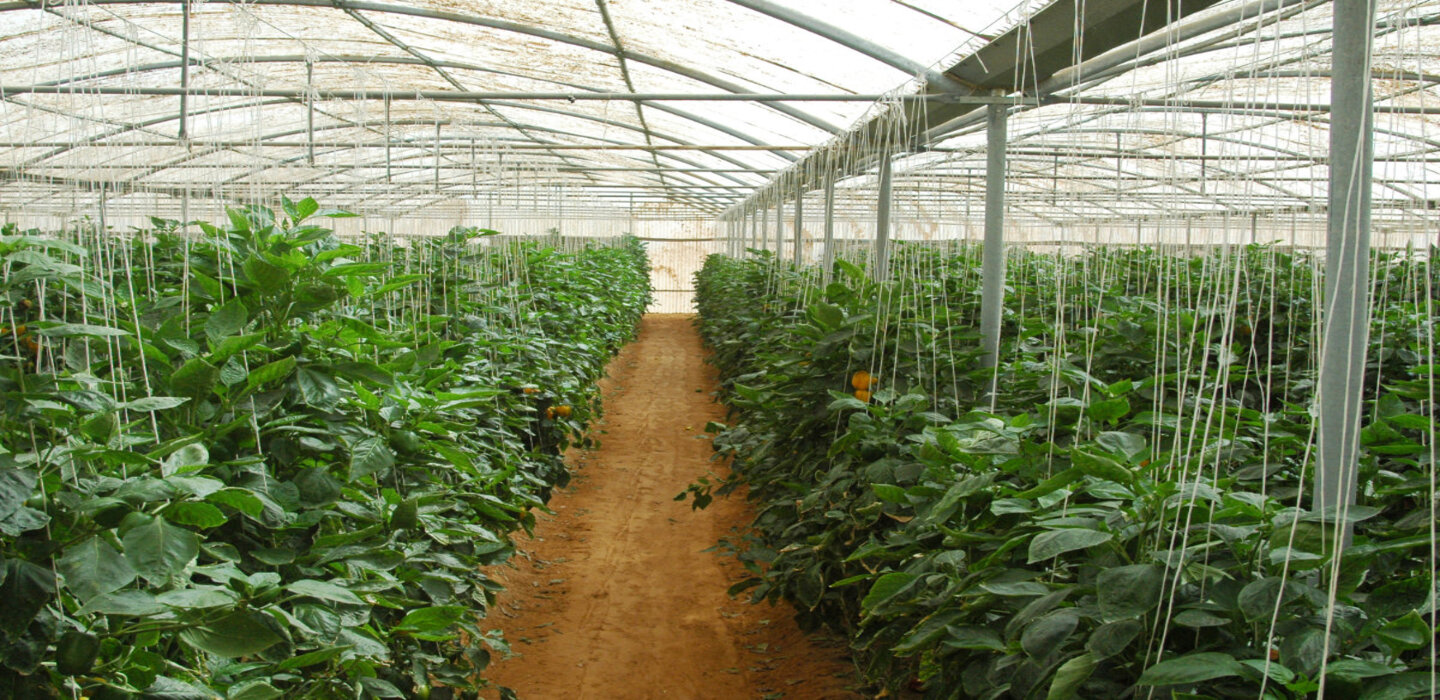
Hydroponic Farming in Al Lith Governorate emerged from a simple frustration shared by many local farmers. This frustration came from watching crops struggle against heat, scarce water, and unpredictable soil despite months of effort. Seeking stability, growers began turning to controlled systems where plants thrive in nutrient-rich water, not soil.
To reduce that uncertainty, farmers are adopting controlled growing systems that use nutrient-rich water instead of soil. This shift reflects that hydroponic farming is becoming a practical option. It is a sustainable solution for consistent food production in Al Lith’s challenging environment.
Understanding Hydroponic Farming in Al Lith Governorate
Hydroponic farming in Al Lith Governorate refers to growing plants without soil using nutrient-enriched water and controlled systems designed for the local climate. Instead of relying on arable land and heavy irrigation, hydroponics uses advanced greenhouse structures to regulate temperature, humidity, and nutrient delivery.
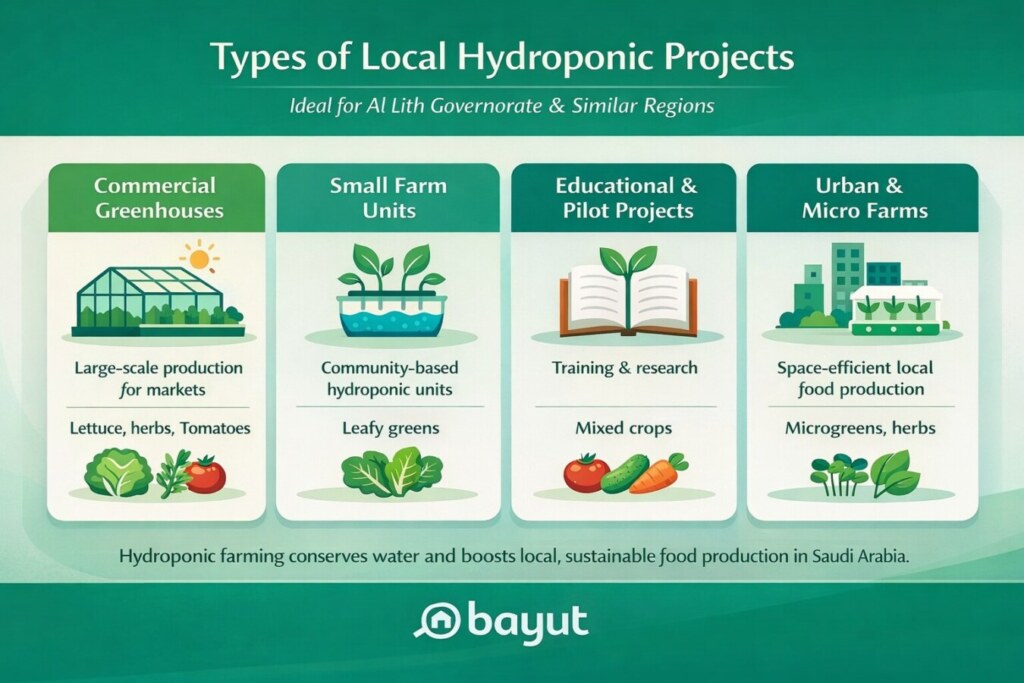
This approach aligns closely with Saudi Arabia’s sustainability priorities, particularly water conservation and food security. As a result, hydroponics is becoming increasingly relevant in coastal and water-limited regions like Al Lith.
Why Al Lith Governorate Is Well-Suited for Hydroponic Agriculture
Al Lith’s arid environment presents clear challenges for traditional farming. Water scarcity and high evaporation rates reduce productivity and increase risk. Hydroponic systems directly address these constraints by offering measurable advantages:
- Uses up to 90% less water than soil-based farming
- Enables year-round production regardless of seasonal changes
- Reduces dependence on imported vegetables
- Allows farming in greenhouses, on rooftops, and in limited spaces
These benefits make hydroponics especially valuable in regions with limited freshwater resources.
Real Estate Outlook
Hydroponic farming is increasingly shaping how communities are planned and valued, especially in emerging regions like Al Lith Governorate.
As sustainable agriculture projects develop, they contribute to more self-sufficient neighborhoods and improved local infrastructure. From a real estate perspective, this creates several long-term advantages:

- Increased attractiveness of nearby residential areas due to improved livability
- Higher demand for housing in regions investing in sustainable systems
- Potential uplift in land and property values as infrastructure and services expand
- Opportunities for mixed-use developments that integrate residential, agricultural, and commercial spaces
As Saudi Arabia continues to prioritize sustainability and regional development, areas supporting initiatives like hydroponic farming are likely to gain attention from both homebuyers and investors looking for long-term growth.
Why Is Hydroponic Farming Important for Al Lith?
Hydroponic farming conserves water, increases crop yields, and enables reliable local food production despite harsh climate conditions. It plays a key role in building sustainable agriculture systems in water-limited regions like Al Lith.
Environmental Importance
- Significant reduction in water use
- No soil dependency, reducing land degradation
- Lower pesticide use due to controlled environments
Economic Importance
- More predictable yields throughout the year
- Job creation in greenhouse operations and agritech
- Strong investment potential, with some projects reporting returns of around 21%
Social and Food Security Benefits
- Increased availability of fresh, locally grown produce
- Reduced reliance on imports
- Improved livelihoods through community-based farming initiatives
Hydroponic Farming Projects in Al Lith Governorate
Hydroponic farming projects in Al Lith Governorate demonstrate how innovation supports sustainability. A notable example is a 200,000 m² hydroponic facility established by the Al-Bir Charity Association.
The project has helped achieve rural self-sufficiency, supplies pesticide-free produce, and has created approximately 160 jobs. It now serves as a model for scalable agricultural investment.
National and Regional Trends Driving Adoption
Hydroponic farming in Al Lith reflects a wider national shift toward controlled-environment agriculture. Several trends are accelerating adoption:
- The Saudi hydroponics market reached USD 132.6 million in 2024 and is projected to exceed USD 325 million by 2033
- Increased use of automation, AI, and smart sensors to improve efficiency
- Rising popularity of vertical farming and urban hydroponics
- Strong investor confidence, highlighted by agritech startup funding growth
These developments strengthen the long-term outlook for hydroponics in regions like Al Lith.
Step-by-Step: Implementing Hydroponic Farming
- Choose the right system: Farmers select NFT (Nutrient Film Technique), Deep Water Culture (DWC), or drip irrigation based on crop type, farm size, and production goals.
- Ensure proper climate control: Greenhouses equipped with cooling pads, ventilation, and shading help maintain stable growing conditions in Al Lith’s high temperatures.
- Manage water and nutrients precisely: Nutrient solutions are carefully adjusted to match each crop’s growth stage and nutritional needs.
- Integrate smart technology: Sensors and automated monitoring systems improve consistency, reduce labor, and support efficient farm management.
- Plan for the market: Understanding local demand and pricing helps maximize profitability and minimize crop waste.
Discover Sustainable Communities with Bayut-KSA
As communities across Saudi Arabia evolve, finding the right home means looking beyond price and location. Bayut-KSA helps simplify this process by making the property search clearer and more transparent.
With Bayut-KSA, users can explore verified listings, compare communities, and connect with trusted agents. It supports smarter housing and investment decisions in a changing market.