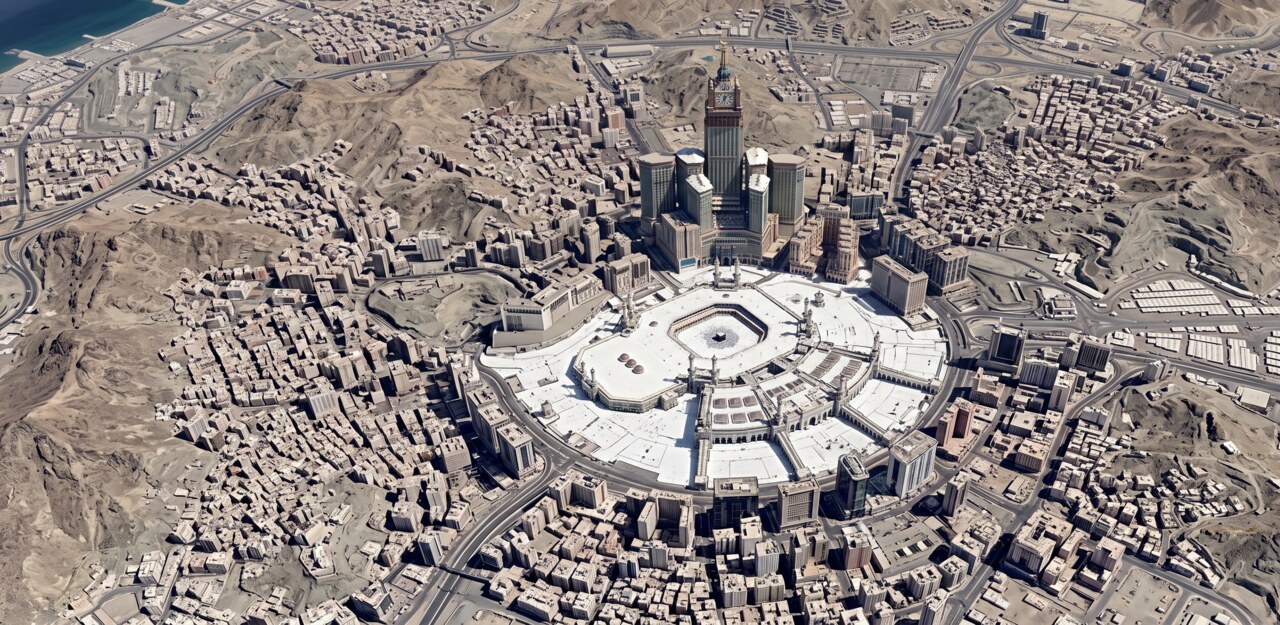
Saudi Arabia’s transition toward a globally integrated and non-oil economy under the Vision 2030 has ushered in landmark legal reforms. The foreigners own property in Makkah and Madinah has been implemented to support these ambitions. So, let’s take a look at this law and what are the allowed geographical zones.
About the Foreigners Own Property in Makkah and Madinah
With the implementation of this law, which officially took effect in January 2026, the regulatory landscape has experienced a historic shift.
The government has introduced designated geographical zones that allow foreign individuals, companies and investment funds to participate in the real estate markets of Makkah and Madinah. Provided they navigate through a specific set of rules designed to balance economic growth with religious and cultural preservation.
Also read about: the Approval Bylaws Allowing Foreign Ownership of Real Estate
The Geographical Zones System
The updated real estate law departs from blanket bans and instead utilizes a highly structured zoning system overseen by the Real Estate General Authority (REGA( and approved by the Council of Ministers.
The framework dictates exactly where, how and under what conditions non-Saudis can acquire property, paving the way for investors to start their own businesses with high standards and transparency.
To streamline this process, the Kingdom launched the Saudi Properties digital portal in mid-2026. This platform digitized the entire ownership application process.

Foreign residents holding legal residency can apply directly using their residency number, while overseas investors must first obtain a Saudi digital identity via Saudi missions abroad before submitting an application.
Financial Considerations and Fees
Investors should be aware that the new law introduces a real estate transaction fee of up to 5% on property disposals involving non-Saudis.
This is applied in addition to the standard Real Estate Transaction Tax (RETT), meaning buyers and sellers must carefully structure their transactions to account for these levies.
Special Ownership Rules for Makkah and Madinah
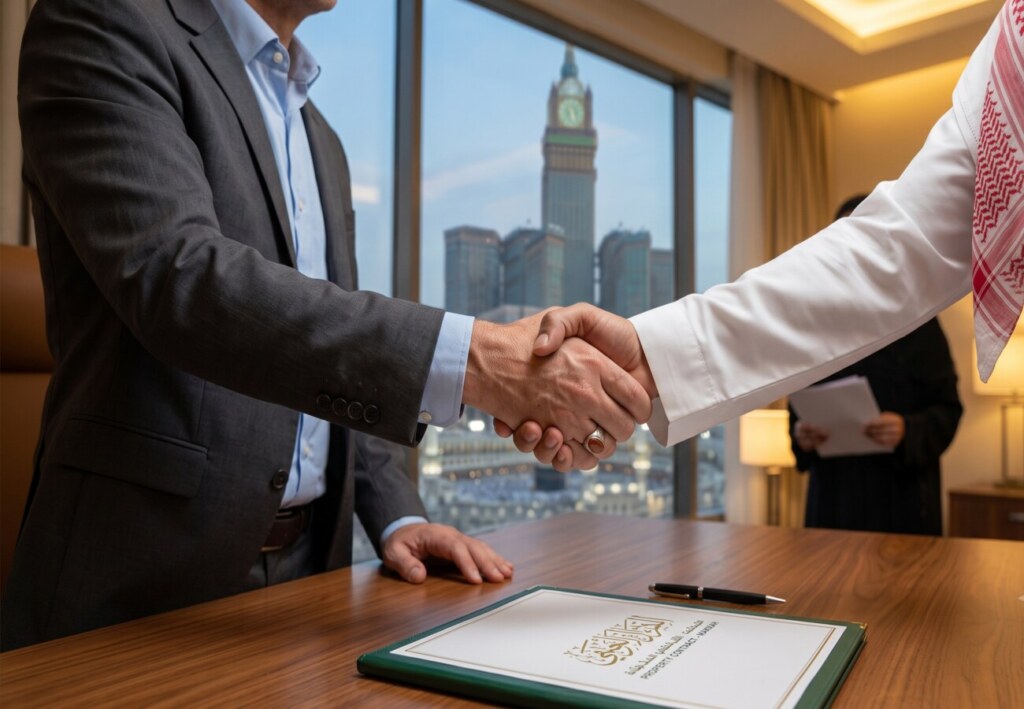
While expatriates and international corporations can buy property relatively freely in cities like Riyadh or Jeddah, the rules governing Makkah and Mdinah remain highly specialized. Here are the main special rules:
The Condition of Islam for Natural Persons
The most fundamental rule regarding Makkah and Madinah is the condition of Islam. The law explicitly states that the right for a natural person (an individual) to own property or acquire real rights in these two cities is strictly restricted to Muslims. There are no exceptions to this rule for individuals.
Inside the Approved Geographical Zones
Within the officially designated geographical zones of Makkah and Madinah, Muslim foreign nationals and Premium Residency holders are legally permitted to acquire full direct ownership of real estate
These zones encompass massive, multi billion dollar development projects designed to expand the hospitality and residential capacity for the millions of pilgrims visiting annually.

Outside the Approved Zones
Outside of the approved zones in the holy cities, direct foreign ownership is prohibited. However, Muslim foreigners who hold a Premium Residency are granted a special privilege, which they can acquire a usufruct right for a maximum period of 99 years.
This long term right is registered with an official deed issued by the Notary Public and can be legally transferred, sold or disposed of, providing near-ownership stability.
Also read about: the Foreign Direct Investment Inflows in Saudi Arabia.
Corporate and Fund Investments
To inject foreign into the massive infrastructure projects of Makkah and Madinah without violating individual ownership restrictions, the Capital Market Authority (CMA) has opened a pathway for indirect ownership.
Foreigners (regardless of nationality) are permitted to invest in publicly traded Saudi companies and licensed real estate investment funds that own property within the boundaries of the holy cities.
However, to ensure that the majority of control remains domestic, total non-Saudi ownership in these listed entities is capped at 49%.
Approved Geographical Zones
The Saudi government has officially mapped out over 170 geographical zones across the Kingdom where foreign ownership is permitted. In Makkah and Madinah, these zones are largely centered around major urban regeneration and hospitality mega projects.
Approved Makkah Zones
The approved investment and ownership zones in Makkah represent some of the most lucrative real estate in the islamic world, directly catering to the influx of Haj and Umrah pilgrims:
- Makkat Towers
- Al Manar
- Aiyad Tower
- King Salman Gate
- Tilal Village
- Jabal Omar
- Thakher Makkah
- Sumou District
- Masar
- Makka 1 and 2 Zones
Approved Madinah Zones
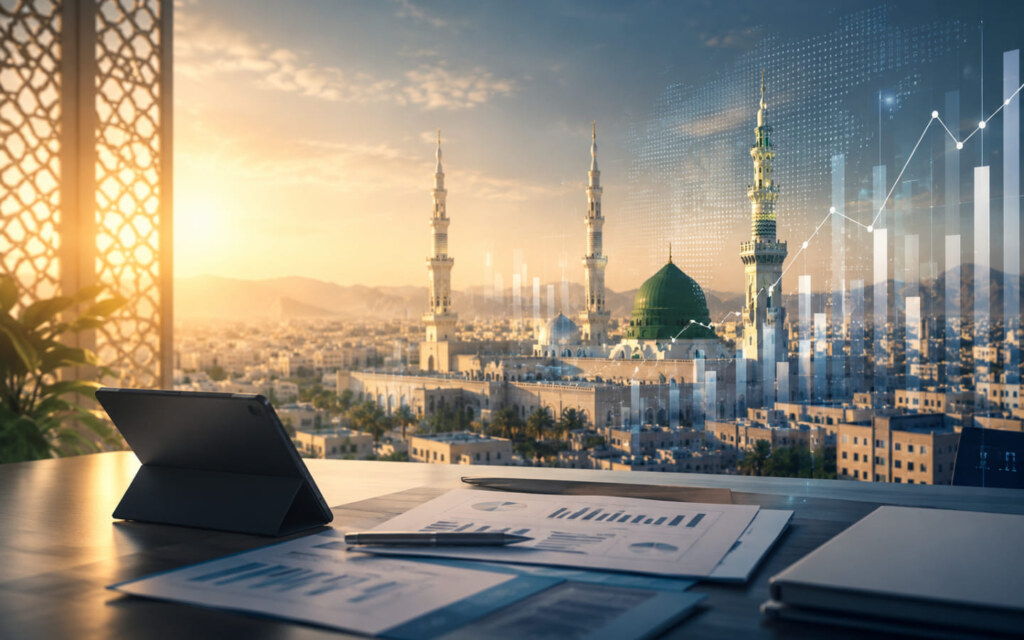
In Madinah, the designated zones blend residential expansion with luxury hospitality and knowledge-based economic centers:
- Al Ghurrah
- Madinah 1 and 2
- Al Mahwa
- Dar Al Hajra
- Madinah Downtown
- Diyar Al Maqar
- Rua Al Madinah
- Knowledge Economic City
- Mushraf
The Role of Premium Residency in Property Ownership
Saudi Arabia’s Premium Residency Program, which was expanded in early 2024, plays a critical role in this new real estate landscape. The traditional sponsorship (Iqama) system ties a resident to a specific employer, but Premium Residency grants self-sponsored freedom of movement, business ownership and family sponsorship.
For real estate investors, the most relevant category is the Real Estate Owner Residency. To qualify for this tier, an investor must:
- Purchase residential real estate with a certified value of at least SAR 4,000,000
- Ensure the property is fully developed (undeveloped land does not qualify)
- Ensure the property is completely mortgage-free.
- Have the property independently appraised by a valuer accredited by TAQEEM
Owning a qualifying property inside the approved zones of Makkah or Madinah allows a Muslim investor to secure this long-term residency, effectively blending spiritual ties to the holy cities with long-term legal and financial stability in the Kingdom.
The 2026 implementation of the Foreigners Own Property in Makkah and Madinah law represents a meticulous balancing act by the Saudi government. By checking Bayut Blog, you can discover how all of these laws have contributed to enhance the Saudi real estate market flows.



 as a preferred source on Google