A lot of people only think about the Saudi Building Code when something goes wrong, an extension that needs unexpected approvals, a renovation that hits a compliance roadblock, or a building where exits and systems don’t feel quite right. The truth is, the Saudi Building Code shows up in everyday property moments across Saudi Arabia. It guides approvals, protects safety, and sets clear rules for changes once people move in.
What building code is used in Saudi Arabia?
Saudi Arabia uses the Saudi Building Code (SBC) as its national framework for minimum standards in safety, performance, and quality. that sets minimum standards for building safety, performance, and quality.
Designers rely on it to plan buildings, contractors follow it during construction, and authorities reference it during permits, inspections, and handovers.
Why the Saudi Building Code matters
The Saudi Building Code protects people, property, and communities by reducing risks linked to unsafe design, poor construction practices, or unregulated modifications. As buildings become more complex and cities grow denser, a consistent benchmark helps keep standards clear across homes, commercial buildings, and public facilities.
It also helps prevent issues such as:
- Structural weaknesses and material failures
- Fire hazards and unsafe escape routes
- Electrical and mechanical system faults
- Inconsistent build quality across regions
- Modifications that compromise safety or function
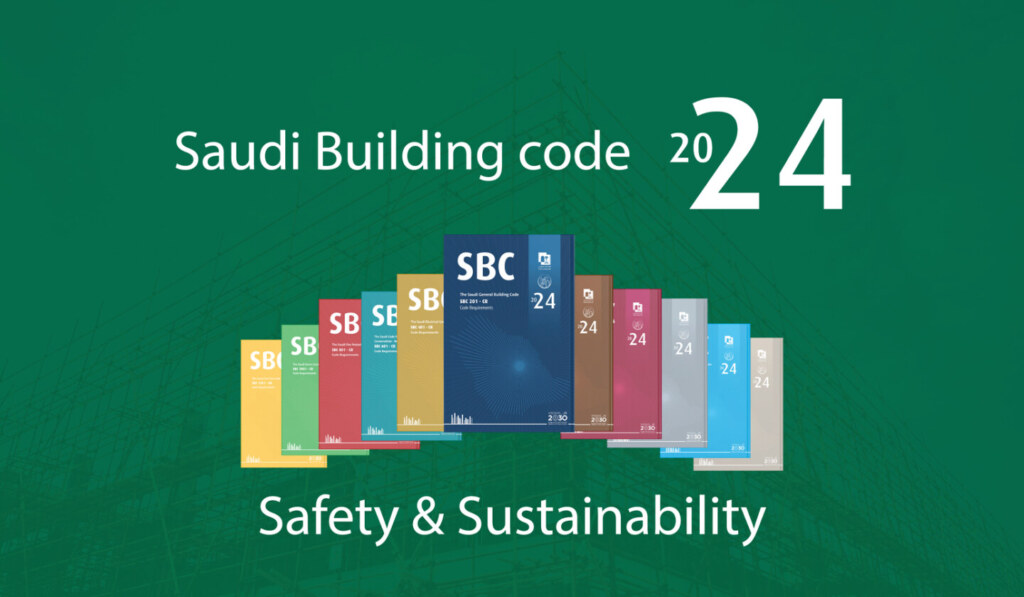
Saudi Building Code Requirements
The Code Requirements cover the minimum standards a building must meet to be considered safe, functional, and compliant. Requirements vary by property type (villa, apartment, office, warehouse, etc.). Still, most projects follow the same core areas:

- Structural safety
- Stability expectations, safe load design, and durable construction methods
- Fire and life safety
- Safe exit routes, basic fire protection provisions, and a design that supports emergency evacuation
- Electrical, mechanical, and plumbing (MEP)
- Safe electrical systems, ventilation and HVAC adequacy, and plumbing aligned with hygiene and safety needs
- Accessibility and usability
- Design provisions that support safe access and use, especially in shared or public-facing properties
- Documentation and inspection readiness
- Clear plans, compliance documentation, and verifiable build outcomes that align with approvals
A useful way to think about it: Saudi Building Code Requirements are not only about how teams build a property, but also how authorities verify safety and compliance.
Rules and regulations of the Saudi Building Code
The rules and regulations of the Saudi Building Code explain how compliance works in real life, how buildings are reviewed, approved, and checked so standards stay consistent across projects.
In practice, the process often involves:
- Permitting and approvals
- Design submissions and required documentation before construction begins or major changes are made
- Inspections at key stages
- Authorities inspect projects during construction and/or before handover to confirm safety and compliance alignment
- Defined responsibility
- Accountability across owners, developers, consultants, and contractors for compliant delivery
- Controls on modifications
- If you change the structure, exits, fire safety, or MEP systems, follow the required approval route.
- Consequences for non-compliance
- Delays, required rework, penalties, or restrictions on use, especially when safety is affected
Common misunderstandings people have about building code compliance
Many compliance issues start with a simple assumption: people underestimate what building codes cover. These misconceptions show up frequently, especially during renovations and handovers:
- “If it’s built, it must be compliant.”
A building can exist physically while still missing approvals or falling short of safety expectations. - “Small changes don’t matter.”
Blocked exits, altered partitions, or changed MEP layouts can create serious compliance issues. - “Compliance is the contractor’s job only.”
Compliance relies on the full chain: planning, supervision, execution, and documentation. - “Only large commercial buildings need strict compliance.”
Residential buildings, especially multi-unit properties, also require strong safety compliance.
What to ask before buying, renting, or renovating?
Use this checklist to reduce confusion and avoid preventable compliance risks:
You are buying a property
- Is there documentation confirming approved construction and completion?
- Have any renovations or extensions been made, and were they documented?
- Do layout changes affect exits, safety systems, or MEP networks?
If you are renting
- Are emergency exits accessible and usable (where relevant)?
- Do electrical and ventilation systems appear safe and functional?
- Has the unit been modified in a way that could affect safety?
Or you are renovating
- Does the change affect structure, exits, fire safety, or MEP systems?
- Do you need approvals before altering layouts or core services?
- Are you working with qualified professionals familiar with compliance expectations?
Bayut-KSA: Your Trusted Partner
Bayut-KSA helps you shortlist and compare properties more clearly by bringing key listing details and market context into one place, so you can walk into viewings with better questions and make property decisions with greater confidence.