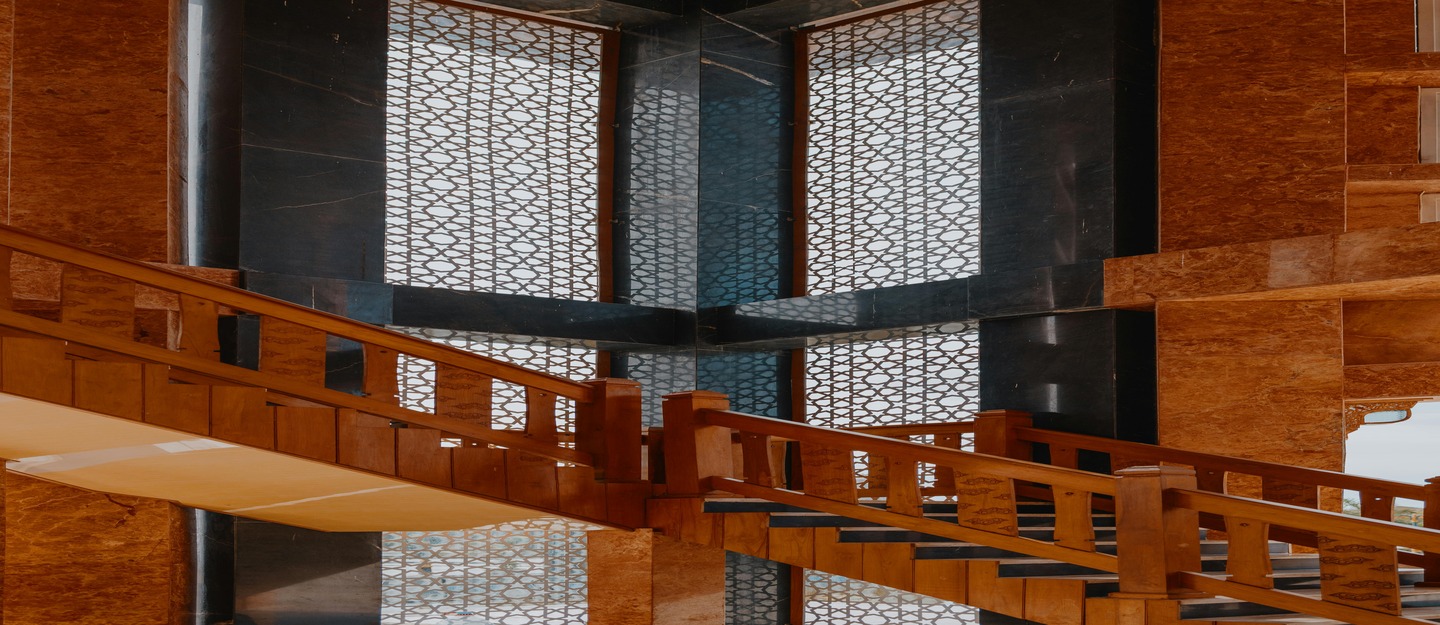
Across centuries and civilizations, architectural art has served as a canvas for culture, identity, and innovation. Among the world’s most influential architectural traditions stands Islamic architecture, famed for its refined geometry, craftsmanship, and spiritual symbolism. Within this legacy, few elements capture the harmony between beauty and function as elegantly as the Mashrabiya in Architecture
With its intricate wooden latticework and ingenious passive cooling capabilities, the mashrabiya reflects the creativity of early builders and continues to inspire contemporary designers around the world.
What is a Mashrabiya?
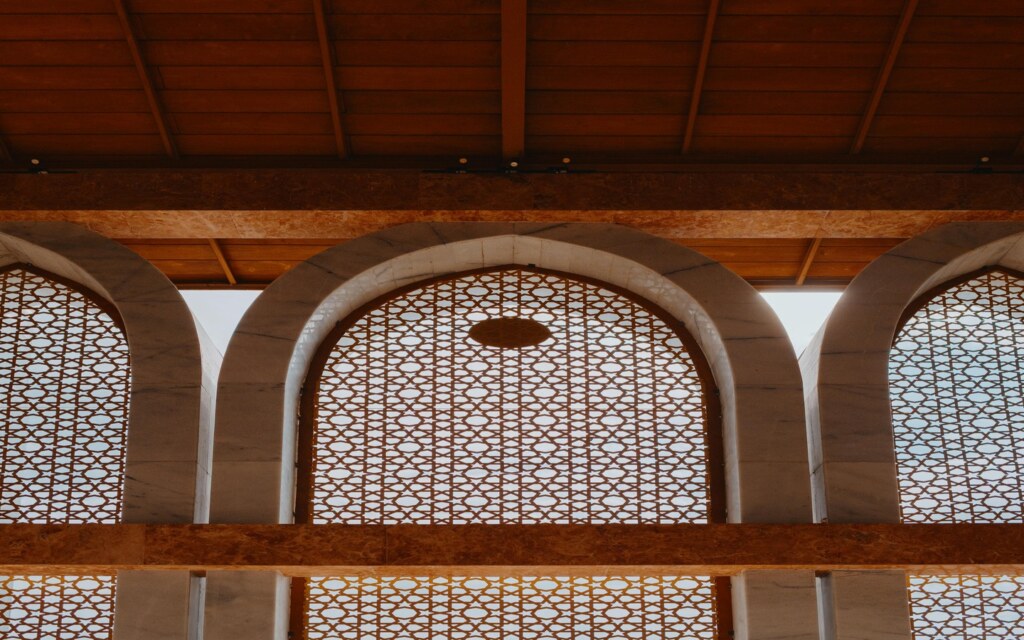
A mashrabiya is a traditional architectural element found predominantly in Islamic architecture. It is a projecting oriel window enclosed with finely carved wooden latticework, often located on the upper floors of a building. Historically, mashrabiyas were used to catch wind, provide evaporative cooling through water jars placed inside, and offer privacy while still allowing occupants to observe the outside world.
The latticework is typically composed of geometric patterns, sometimes featuring stained glass, creating a striking interplay of shade, light, and ventilation. Its design merges artistic expression with advanced environmental functionality, illustrating a sophisticated understanding of climate-responsive architecture.
History of Mashrabiya in Architecture
The earliest confirmed evidence of mashrabiyas as we know them today dates back to the 12th century during the Abbasid period in Baghdad. From there, they spread across regions including Egypt, the Levant, the Arabian Peninsula, and North Africa.
Mashrabiyas reached artistic and structural peaks during the Ottoman era and adorned homes from Marrakesh to Istanbul. Over time, they evolved from simple ventilated openings to complex wooden structures that expanded living spaces while regulating temperature. Although their usage declined in the early 20th century due to modernization, global interest in sustainable design has fueled a notable revival in recent decades.

A celebrated example is Bayt Al Suhaymi, a 17th century residence showcasing some of the most exquisite historic mashrabiyas.
Read also: The Architectural Styles of Saudi Arabia
Types of Mashrabiya
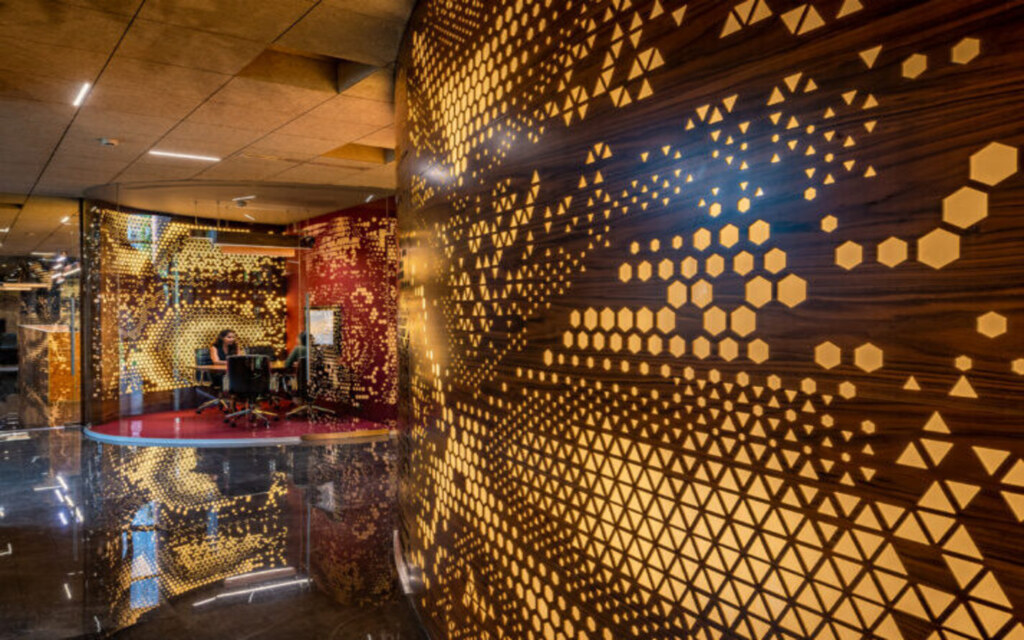
Mashrabiyas come in various styles shaped by regional craftsmanship and cultural preferences. Common lattice designs include:
- Hexagonal Pattern featuring repeating geometric shapes
- Kanaysi or Church Style using long vertical balusters
- Maymoni Pattern blending rounded and squared balusters
- Cross Pattern with diagonally assembled short balusters
- Sahrigi (Cistern Turnery) characterized by larger spaced balusters often used in upper sections
Benefits of Mashrabiya in Architecture
The lasting relevance of Mashrabiya in Architecture lies in its impressive blend of beauty and practicality. Key benefits include:
Climate Control
The lattice design diffuses sunlight, reduces glare, and prevents overheating. Studies show such passive cooling techniques can reduce indoor temperatures by 10 to 15 degrees Celsius, lowering energy consumption.
Natural Ventilation
Small apertures create a stack effect that channels cool air inward and pushes warm air outward, promoting constant airflow without mechanical systems.
Privacy with Visibility
A fundamental principle in Islamic homes, mashrabiyas allow residents to see outside without being seen, maintaining cultural norms while connecting occupants to their surroundings.

Energy Efficiency and Sustainability
By moderating temperature and daylight naturally, mashrabiyas reduce reliance on artificial lighting and HVAC systems.
Cultural Expression
The geometric patterns symbolize unity, infinity, and the order of creation, reflecting deeper layers of Islamic artistic philosophy.
Read also: A Guide to Transforming Your Home into a Smart Home
Mashrabiya in Islamic Architecture
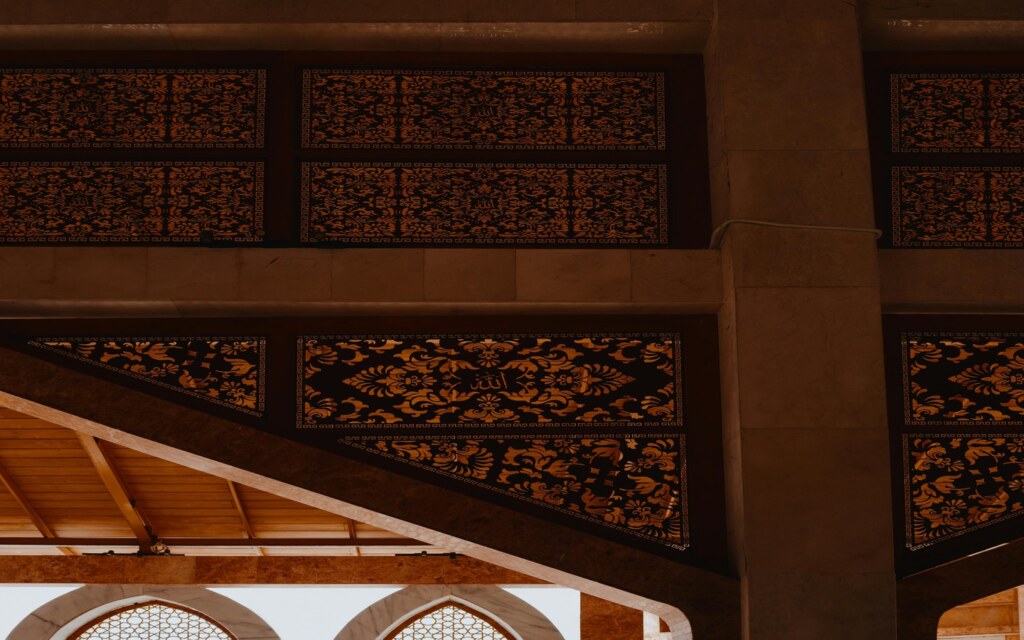
The Mashrabiya in Architecture is one of the most iconic features of Islamic design, expressing a philosophy centered on balance, moderation, and harmony. Its geometric forms symbolize unity and the infinite nature of creation, while its role in regulating light, shade, and airflow demonstrates a profound connection between design and environment.
Today, mashrabiyas are reinterpreted in modern buildings worldwide, including cultural centers, embassies, and high-rise facades. In multicultural urban environments, façades inspired by mashrabiyas act as visual bridges between tradition and modernity, preserving heritage while embracing contemporary innovation.
FAQs
Below are answers to the most common questions about mashrabiyas:
Are Mashrabiya in Architecture still being used today?
Yes. Mashrabiyas have experienced a global revival due to the growing interest in sustainable architecture. Architects incorporate modern versions made from wood, metal, or composite materials to provide shading, ventilation, and cultural identity in both traditional and contemporary buildings.
Why is it called a Mashrabiya?
The most common explanation traces the name to the Arabic root sharaba meaning to drink. It originally referred to a space where water jars were placed to cool through the breeze passing the latticework. As the structure evolved into a full architectural feature, it retained the same name. An alternative theory suggests it derives from mashrafiya, meaning a place of overlooking.
Do mashrabiyas contribute to energy efficiency?
Yes, by shading interiors, enhancing natural ventilation, and reducing reliance on artificial cooling and lighting, mashrabiyas support sustainable and energy-efficient building design.
Where can Mashrabiya in Architecture be found?
They are commonly found in the Middle East and North Africa, especially on upper floors facing streets or courtyards. Today, similar designs are used globally in modern facades.
In conclusion, this article explored Mashrabiya in Architecture its history, benefits, types, and its profound role in Islamic design. This timeless element continues to inspire modern architects and remains a powerful symbol of cultural identity and sustainable innovation.
We invite you to visit the Bayut Blog to discover more insightful and inspiring content on architecture, design, and the built environment.