Entertainment and sports cities in KSA are changing how real estate demand is formed. What began as Vision 2030 ambitions is now materialising as permanent urban ecosystems, where entertainment, sports, and city living are planned together and supported by long-term public investment and infrastructure.
For investors, this shift marks a move away from short-term, event-driven activity toward sustained demand for residential, hospitality, and mixed-use real estate built to support continuous economic and population growth.
Entertainment Is Now an Economic Engine
Entertainment and sports cities in KSA have become designated growth sectors under Vision 2030, supported by multi-year capital commitments and regulatory reform. This shift has changed how cities are planned.
Rather than standalone venues, Saudi Arabia is developing integrated districts that combine:
- Entertainment and sports infrastructure
- Residential communities
- Hospitality and short-stay accommodation
- Retail and lifestyle components
- Transport and public realm investment
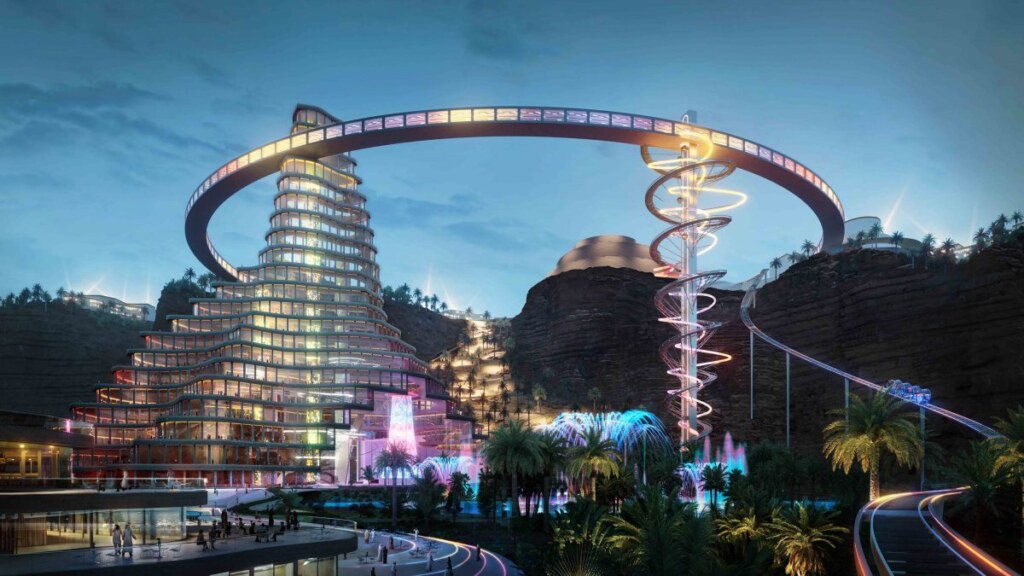
This model creates year-round economic activity, which is a more reliable driver of real estate utilisation than seasonal tourism or one-off events.
Qiddiya: A City Built on Entertainment
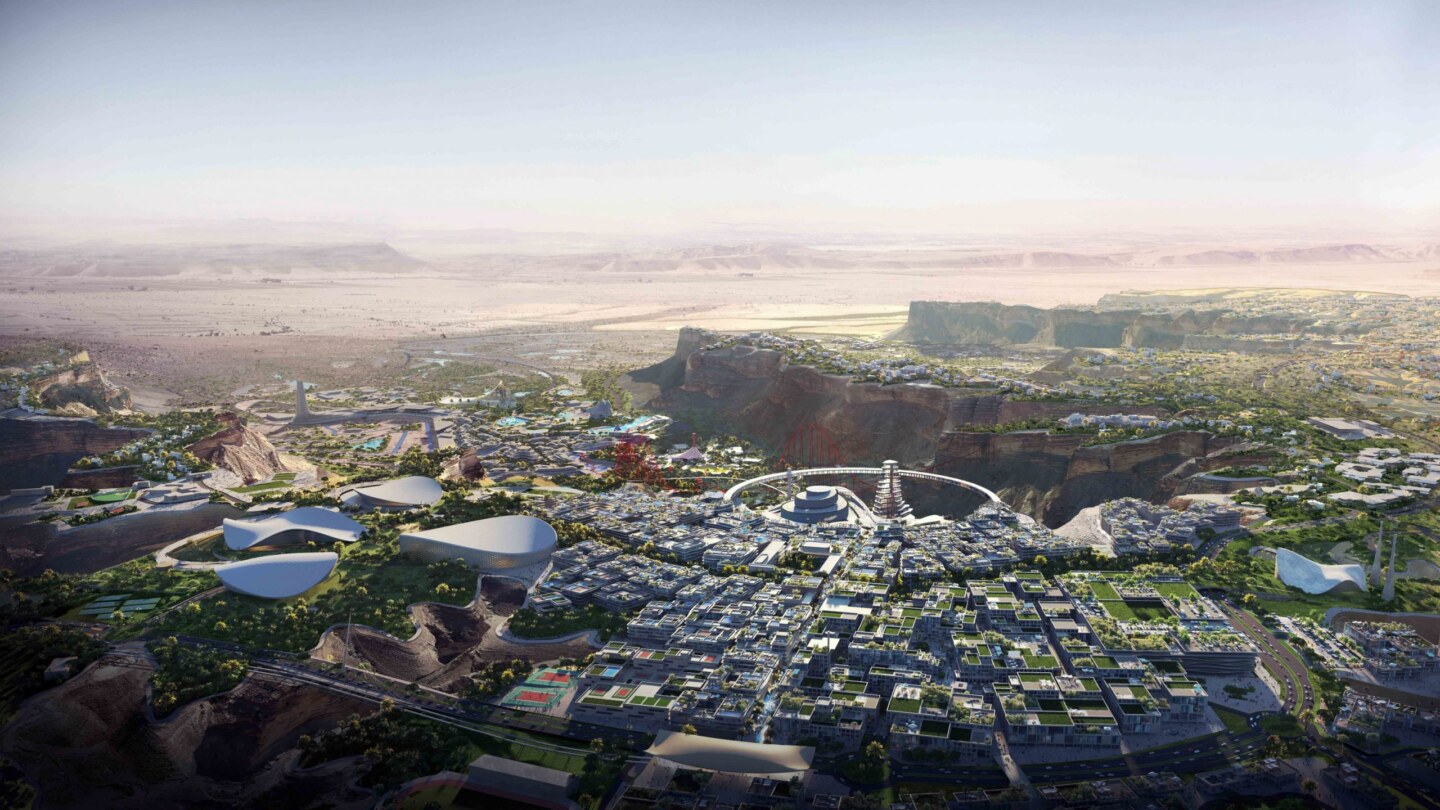
Qiddiya City, located approximately 40 kilometres southwest of Riyadh, is Saudi Arabia’s flagship entertainment and sports development. Spanning over 360 square kilometres, it is being developed as a city-scale destination integrating entertainment, culture, sports, residential, and hospitality uses.
Key developments underway include:
- Six Flags Qiddiya, a USD 1 billion theme park scheduled to open in December 2025
- Multiple attractions and sports venues progressing toward phased openings from 2025 onwards
- Reported interest from global operators, including Universal Studios, signalling international confidence
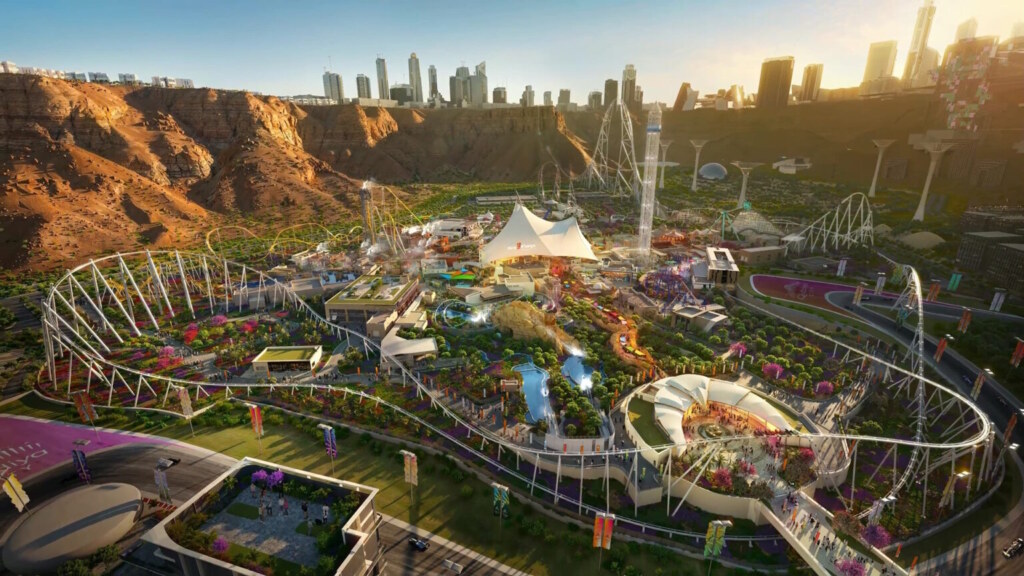
Qiddiya’s importance for real estate lies in its function as a permanent urban node, generating ongoing employment, services, and visitation that support long-term demand for surrounding housing, hotels, and mixed-use developments.
Riyadh: Where Growth Converges
Riyadh is absorbing the largest share of entertainment and sports investment due to its role as Saudi Arabia’s economic and administrative capital.
Major initiatives reinforcing real estate demand include:
- Riyadh Season, now one of the world’s largest multi-month entertainment calendars
- Boulevard City and Boulevard World, blending entertainment, retail, and cultural districts
- Sports venues integrated into large urban regeneration projects such as New Murabba
These developments are layered onto:
- Corporate headquarters relocation policies
- Strong non-oil private sector activity
- Rapid population growth
As a result, demand is rising across:
- Grade-A office space
- Lifestyle-oriented residential communities
- Serviced apartments and short-term accommodation
- Mixed-use developments near activity hubs
This demand is driven by employment and urban expansion, not speculative expectations.

Sports Infrastructure Creates Lasting Demand
Saudi Arabia’s sports strategy focuses on legacy infrastructure, not single-event hosting. The Kingdom is developing permanent facilities designed for continuous use.
Confirmed projects include:
- New Murabba Stadium (Riyadh)
- ROSHN Stadium (Riyadh)
- Aramco Stadium (Khobar), set to host the 2027 AFC Asian Cup and the 2034 FIFA World Cup
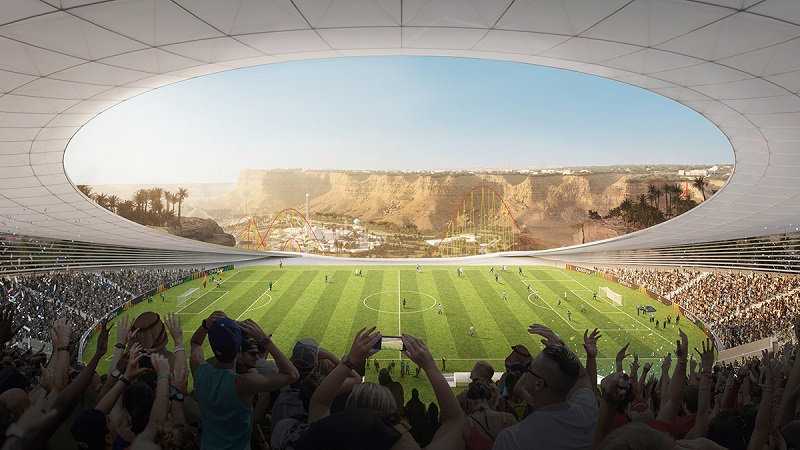
For real estate markets, this translates into:
- Stable leasing demand from operators and service providers
- Residential demand linked to athletes, staff, and supporting industries
- Predictable hospitality demand tied to training cycles and tournaments
Why Location Still Matters
Entertainment and sports districts are accompanied by significant infrastructure investment, including transport upgrades and public realm development.
International and regional evidence suggests that areas adjacent to major mixed-use and infrastructure projects often benefit from stronger visibility and utilisation. In Saudi Arabia, this highlights the importance of:
- Proximity to flagship developments
- Connectivity and transport access
- Zoning and permitted uses
- Phased delivery timelines
Investor outcomes will vary by location, making due diligence and asset selection critical.
Structural, Not Cyclical Growth
Entertainment and sports cities in KSA share several structural characteristics:
- Multi-year public funding commitments
- Phased delivery aligned with Vision 2030
- Permanent operational use
- Integration into broader economic and tourism strategies
While market cycles remain, these factors help reduce volatility compared to purely speculative development models. Demand is anchored in employment, services, and repeat activity rather than short-term sentiment.
What Investors Should Track
Despite strong fundamentals, investors should monitor:
- Project delivery schedules
- Regulatory implementation at the city level
- Gradual rollout of foreign ownership zones
- Performance differences between primary and secondary locations
These considerations reflect the scale of transformation rather than structural risk.
The Long-Term Outlook
Entertainment and sports cities in KSA are not replacing traditional drivers of real estate demand. They are reinforcing them, adding durable layers of activity that support long-term utilisation across residential, hospitality, and mixed-use assets.
For investors, the opportunity lies in understanding where entertainment and sports infrastructure intersect with employment growth, transport investment, and urban expansion.
The Bayut-KSA View
As Saudi Arabia’s real estate market continues to evolve, Bayut-KSA supports investors with data-led insights into verified listings, location performance, and emerging demand patterns. It is helping distinguish structural opportunity from short-term noise.