Commercial real estate in Saudi Arabia has moved into a more defined phase of maturity. What was once driven largely by government occupancy and oil-linked activity is now shaped by private-sector expansion, multinational entry, logistics growth, and regulatory reform. For investors in 2026, this matters because it changes how demand forms, how durable it is, and where returns are most defensible.
As the market enters 2026, commercial real estate in Saudi Arabia is no longer a single story. Offices, logistics, and retail now operate on distinct demand cycles, each influenced by policy execution, capital flows, and sector-specific fundamentals.
Investment Outlook
By 2026, Saudi Arabia’s commercial real estate appeal rests on three proven structural pillars:
- Scale: The largest economy in the Middle East, with a GDP exceeding SAR 4 trillion
- Policy execution: Vision 2030 initiatives now moving from rollout to enforcement
- Capital backing: Sustained public investment anchoring private-sector growth
For investors, this creates a market where downside risk is moderated by policy-backed demand, while upside is increasingly tied to asset quality and location rather than pure expansion.
Office Demand: Consolidated, Not Disappeared
The office segment has entered a consolidation phase.
What continues to drive demand
- Regional Headquarters (RHQ) programme now fully embedded into corporate operating decisions
- Ongoing private-sector hiring across finance, tech, consulting, and professional services
- Strong preference for Grade-A, centrally located offices
Investment Implications in 2026
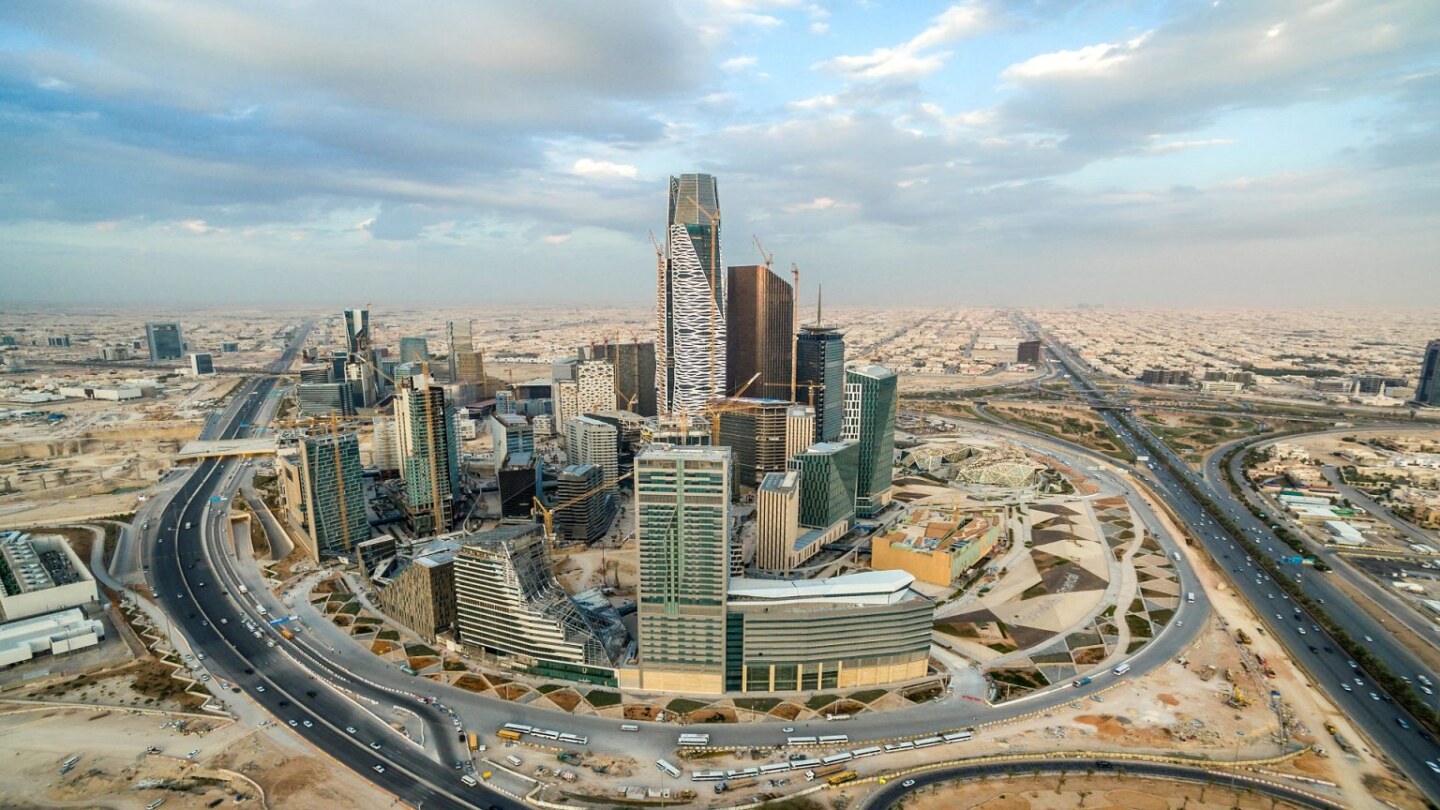
- Riyadh remains the core demand centre, with limited Grade-A vacancy
- Rental growth has moderated, but income stability has improved
- Older, non-compliant office stock faces increasing obsolescence risk
Office demand is now structural and selective, favouring quality over quantity.
Logistics & Industrial: Strongest Commercial Play
In 2026, logistics will remain the most compelling segment within commercial real estate in Saudi Arabia.
Structural demand drivers
- Saudi Arabia’s continued push toward global logistics hub status
- Expansion of ports, airports, rail links, and integrated logistics zones
- Growth in e-commerce, manufacturing localisation, and regional trade
What this means for investors
- Persistent undersupply of Grade-A warehousing in key corridors
- Long-term leases supporting predictable income streams
- Lower volatility compared to traditional office or retail assets
For many investors, logistics has shifted from a “growth play” to a core allocation.
More Disciplined Market in 2026
Retail real estate is clearly differentiated by asset quality.

Current Realities
- Strong performance in destination-led and mixed-use retail
- Stable footfall in tourism- and entertainment-linked assets
- Weakening demand for undifferentiated secondary retail
Investment Takeaway
Retail success in 2026 depends on:
- Location and experiential value
- Integration with residential, hospitality, or entertainment uses
- Alignment with changing consumer behaviour
Retail is no longer a broad-based opportunity; it is highly selective.
What Is Different in 2026?
Several shifts now define the 2026 investment environment:
1. Regulation is operational, not experimental
- Licensing, valuation standards, and disclosure rules are actively enforced
- Digital property registration has reduced transaction uncertainty
2. Foreign participation is clearer
- Commercial ownership frameworks are better defined by law, with property ownership in 2026.
- Cross-border capital faces fewer structural barriers
3. Capital prioritises income resilience
- Investors favour assets with long leases and policy-secured demand
- Less appetite for speculative, early-stage commercial development
The market has moved from expansion-led growth to quality-led performance.
Risks Investors Must Price in
Even in 2026, risks remain part of the equation:
- Oversupply risk in secondary office locations
- Execution risk in large, multi-phase developments
- Obsolescence risk for assets that fail ESG or efficiency benchmarks
- Liquidity gaps between core and peripheral markets
Successful strategies increasingly focus on asset selection and lifecycle management, not market timing.
A Market Operating on Institutional Terms
By 2026, commercial real estate in Saudi Arabia will behave less like an emerging market and more like an institutional one. Regulation is clearer, demand is segmented, and returns vary meaningfully by asset class and quality.
For investors, the opportunity now lies in precision, not expansion. They may allocate capital to the right segments, in the right locations, with the right duration.
Bayut-KSA monitors commercial real estate activity across Saudi cities, helping investors track demand shifts, compare locations, and understand how policy execution translates into real asset performance.