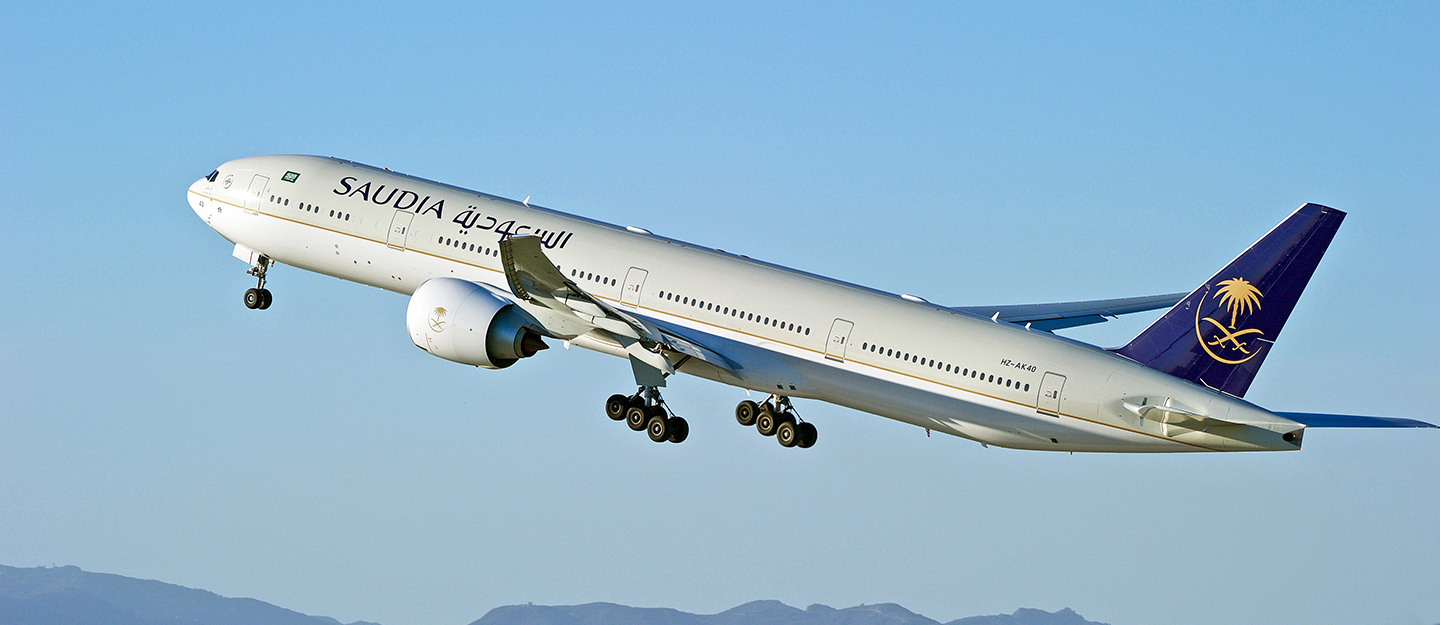
Air transport is crucial for Saudi Arabia, linking the Kingdom globally and boosting tourism, business, logistics, and Vision 2030 goals. Major investments in world-class airports and expanding airlines are establishing Saudi Arabia as a leading Middle Eastern aviation hub. This article will cover its importance, main airlines, types, and the pros and cons of air transport in Saudi Arabia .
Importance of Air Transport in Saudi Arabia
Major airports like King Khalid (Riyadh), King Abdulaziz (Jeddah), and King Fahd (Dammam) facilitate easy travel, while new projects like the Al Jouf Airport Project continue to expand domestic and international connectivity.
- Drives Vision 2030 tourism
- Improves domestic and international connectivity
- Supports trade, investment, and jobs
- Facilitates Hajj and Umrah travel
Airlines Operating in Saudi Arabia
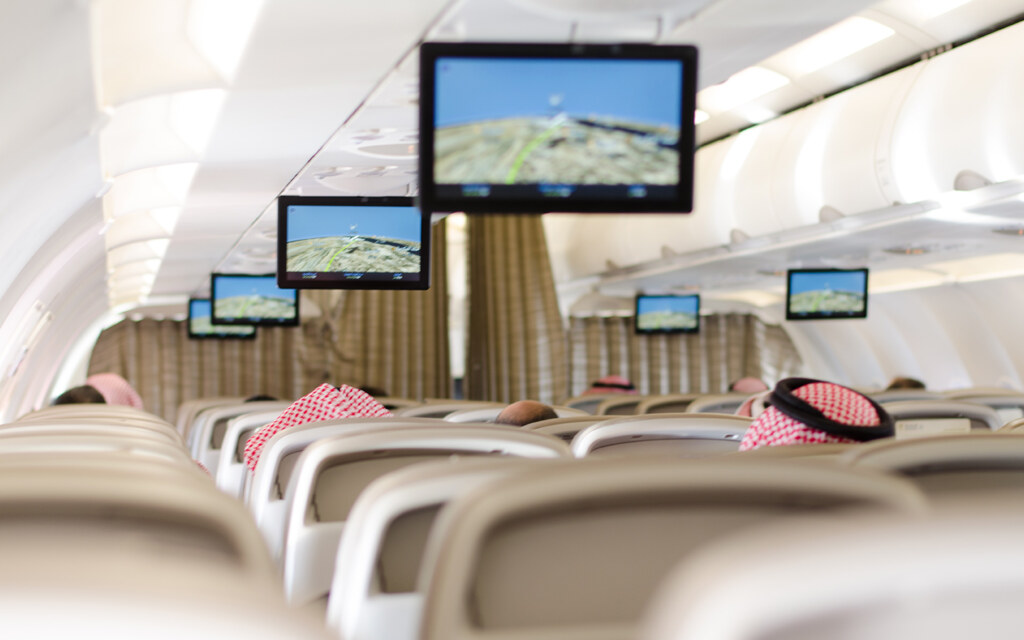
Several leading airlines operating in Saudi Arabia provide domestic and international services, ensuring flexible travel options for residents, visitors, and businesses.

Major Saudi Airlines
- Saudia (Saudi Arabian Airlines) – The national carrier offering extensive global and domestic routes.
- Flynas – A leading low-cost airline providing affordable regional and international connectivity.
- flyadeal – A budget-friendly airline offering domestic and short-haul international flights.
International Airlines
- In addition to Saudi carriers, numerous international airlines operate in the Kingdom.
- Saudi Arabia is connected to Asia, Europe, Africa, and beyond.
- This makes the country one of the most accessible destinations in the region.
Types of Air Transport in Saudi Arabia
Air transport in the Kingdom includes multiple aviation categories to meet different needs:
- Commercial Passenger Flights
For business travel, tourism, and personal trips across domestic and international destinations. - Cargo and Freight Services
Essential for trade, logistics, and economic supply chains. - Private and Business Aviation
Growing rapidly to support corporate travel and luxury aviation needs. - Religious Travel Flights
Special routes and increased seasonal flights dedicated to Hajj and Umrah travelers.
Advantages of Air Transport in Saudi Arabia
There are several notable benefits of air transportation within the Kingdom:

- Speed and Efficiency
Air travel is the fastest way to move between Saudi cities and international destinations. - Global Accessibility
Direct connections to major global hubs enhance tourism and international relations. - Economic Contribution
Supports trade, employment, investment, and infrastructure development. - Tourism and Pilgrimage Support
Makes traveling easier for millions of visitors annually.
Disadvantages of Air Transport in Saudi Arabia
While beneficial, air transport also comes with certain drawbacks:
- High Costs
Air travel can be more expensive than other transport options. - Environmental Impact
Aviation contributes to carbon emissions, prompting the need for sustainability initiatives. - Weather and Operational Delays
Sandstorms or technical issues may occasionally affect flight schedules.
Future of Air Transport in Saudi Arabia

Saudi Arabia is heavily investing in aviation infrastructure, including:
- New airports and expansions
- Advanced logistics hubs
- Smart aviation technologies
- Sustainability initiatives
Saudi’s airports are constantly evolving to meet growing demand, as seen in the development of the King Abdullah Bin Abdul Aziz International Airport and other key hubs.
Saudi Arabia’s modern air transport, with competitive airlines and strategic investment, is vital for development, tourism, and global connectivity, offering fast, reliable, world-class domestic and international links for all.
For more insights on Saudi Arabia’s cities, real estate, and travel developments, visit the Bayut Blog for the latest updates and guides.