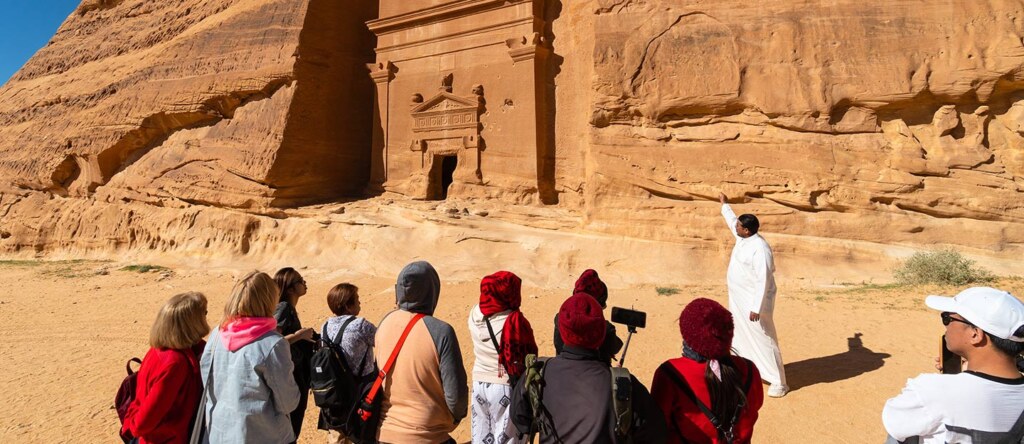
Do you wish to visit historical destinations that reveal the hidden stories of ancient civilizations in Saudi Arabia? Historical Tourism in Saudi Arabia offers travelers a unique journey through time, exploring ancient towns, archaeological ruins, and cultural landmarks that date back thousands of years.
In this article, we will explore the most famous historical destinations in Saudi Arabia, highlight UNESCO World Heritage Sites, examine the growth of historical tourism, and showcase museums that preserve the nation’s rich legacy.
Famous Historical Destinations in Saudi Arabia
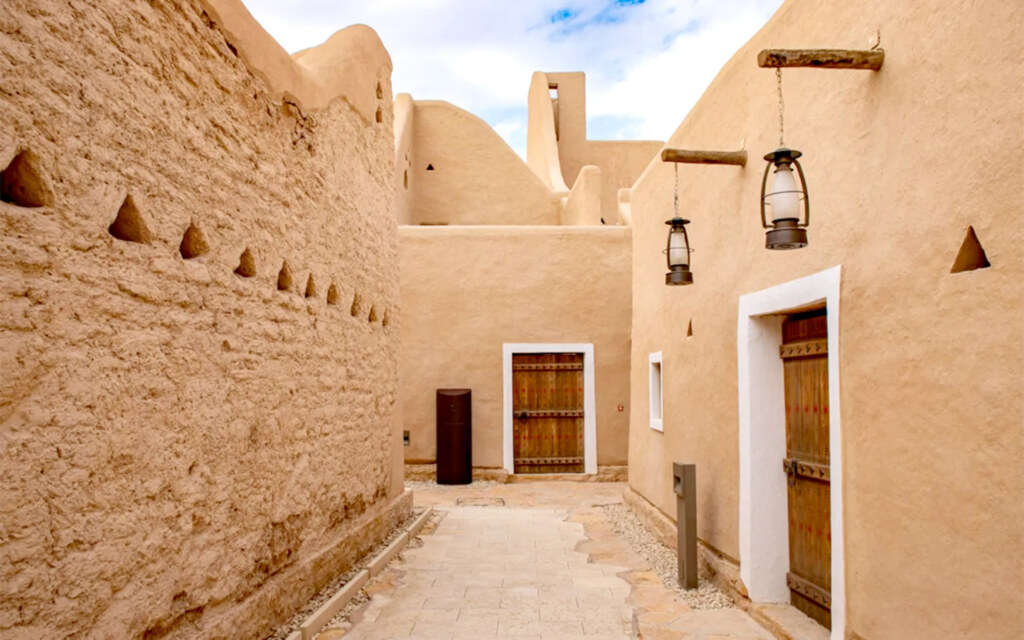
Beyond UNESCO-listed sites, Saudi Arabia hosts numerous historical destinations that reflect its cultural diversity and long-standing human presence.
Qaryat Al-Faw Ancient City
Located in the southern part of Najd, Qaryat Al-Faw was once a major commercial and cultural center along ancient trade routes. As a notable site of Historical Tourism in Saudi Arabia , archaeological findings reveal residential quarters, markets, temples, and inscriptions that highlight its significance between the third century BCE and the fourth century CE.
Dumat Al-Jandal: A Highlight of Historical Tourism in Saudi Arabia
Situated in Al-Jawf Region, this ancient city is one of the oldest continuously inhabited locations in the Arabian Peninsula. It is known for its historic fortresses, stone architecture, and its strategic role along northern trade routes.
Shubra Palace in Taif
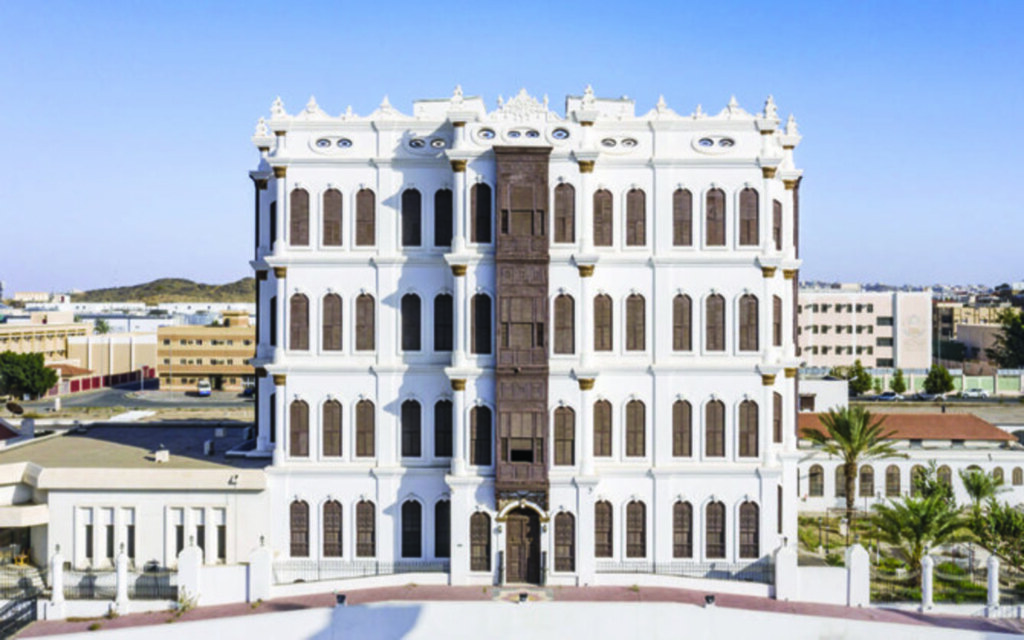
Shubra Palace stands as a remarkable example of early 20th-century architecture in western Saudi Arabia. Built using traditional Islamic design elements blended with Roman influences, it served as a royal residence and now functions as a historical museum.
Al-Okhdood Archaeological Site
Located in Najran, Al-Okhdood contains the remains of an ancient city referenced in historical and religious texts. This site is a prime example of Historical Tourism in Saudi Arabia , featuring stone structures, inscriptions, and artifacts that reflect early settlement and belief systems in southern Arabia.
Heritage Villages of Najran
These villages showcase traditional mudbrick architecture, defensive towers, and agricultural layouts that demonstrate how communities adapted to desert environments while preserving social cohesion and cultural identity.
Also read: At Turaif World Heritage Site: Diriyah’s Defining Landmark
UNESCO World Heritage site in Saudi Arabia
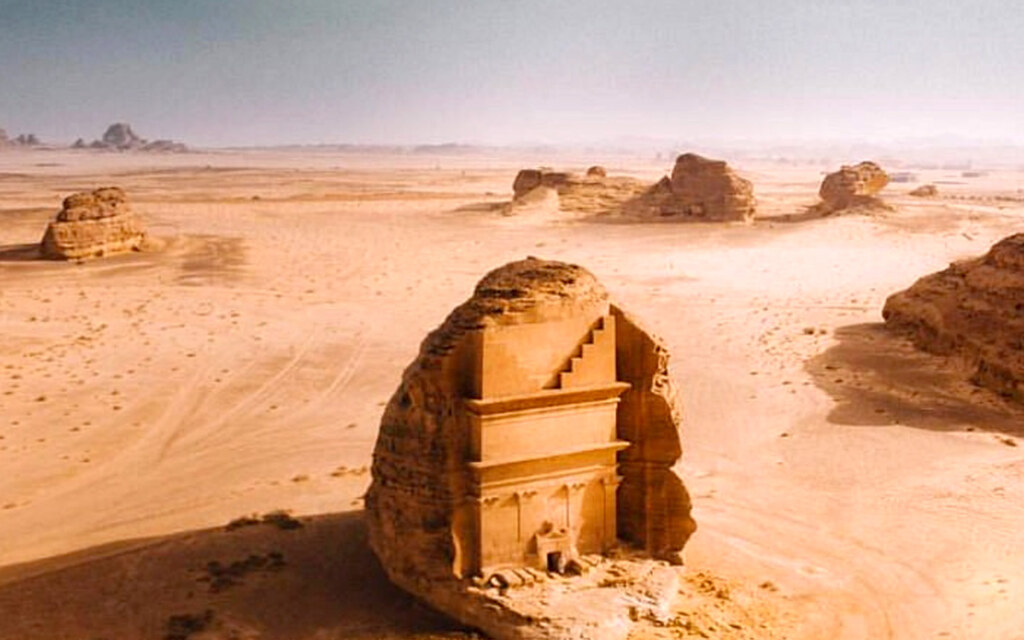
Saudi Arabia has eight locations inscribed on UNESCO’s World Heritage List, all recognized for their outstanding cultural and natural value. These include Al-Hijr Site (Mada’in Salih), At-Turaif Neighborhood in Historic Diriyah, Historic Jeddah, Rock Art in Jubbah and al-Shuwaymis, Al-Ahsa Oasis, Hima Cultural Area, Uruq Bani Mu’arid Reserve, and the Cultural Landscape of Al-Faw Archaeological Area, which together reflect the Kingdom’s diverse historical, architectural, and environmental heritage.

Moreover, each site represents a distinct era and dimension of human interaction with the land, ranging from ancient civilizations and early state formation to natural conservation and trade-based urban development.
Development of historical tourism in Saudi Arabia
Historical tourism in Saudi Arabia has witnessed remarkable growth as part of national development strategies. Restoration projects, archaeological research, heritage festivals, and infrastructure development have transformed historical sites into accessible and sustainable tourist destinations. Government initiatives focus on preserving cultural identity while enhancing visitor experiences through guided tours, digital interpretation, and international collaboration.
Museums in Saudi Arabia
Museums play a key role in preserving and presenting Saudi Arabia’s historical and cultural heritage. They showcase a variety of collections that connect visitors with the Kingdom’s past, including:
- Archaeological artifacts: Tools, pottery, and ancient objects.
- Manuscripts and documents: Historical texts, maps, and religious records.
- Traditional architecture: Reconstructed houses, markets, and regional buildings.
- Art and calligraphy: Works reflecting Saudi artistic heritage.
- Interactive exhibits: Digital displays, workshops, and hands-on learning.
Frequently Asked Questions About Historical Tourism in Saudi Arabia
Below are answers to some of the most common questions about historical tourism in KSA:
Why is Saudi Arabia significant for historical tourism?
Because it was a crossroads for ancient civilizations, trade routes, and pilgrimage paths.
Are non-UNESCO historical sites open to visitors?
Yes, many non-listed sites are accessible and supported by local tourism initiatives.
Does Saudi Arabia invest in heritage preservation?
Yes, preservation and restoration are key priorities in national cultural programs.
Can tourists visit museums year-round?
Most museums operate throughout the year with guided and self-guided experiences.
In conclusion, we have explored historical tourism in Saudi Arabia by examining its most famous destinations. Moreover, we highlighted UNESCO World Heritage Sites, reviewed tourism development efforts, and discussed the important role of museums in preserving the Kingdom’s heritage.
We invite you to visit Bayut Blog to discover the latest articles and insights about Saudi destinations, culture, and heritage.